This was my first trip to Spain. Since my body doesn’t cope well with heat and strong sun, winter seems like the perfect time for me to visit this country. Christmas in Spain? Well – why not!
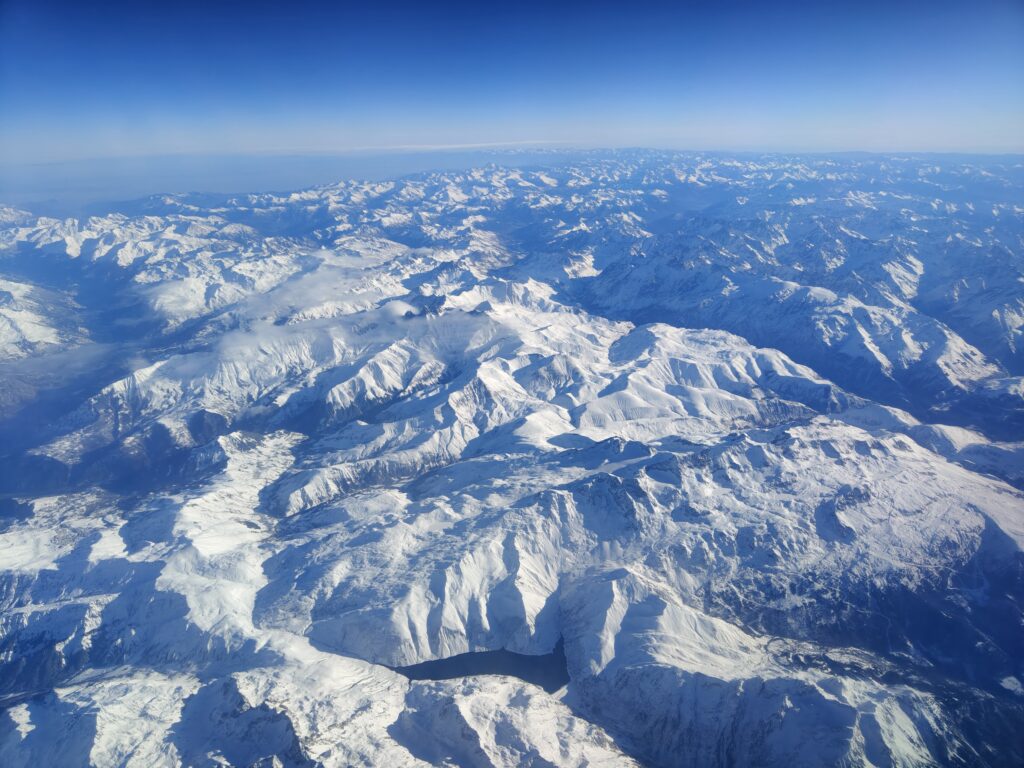
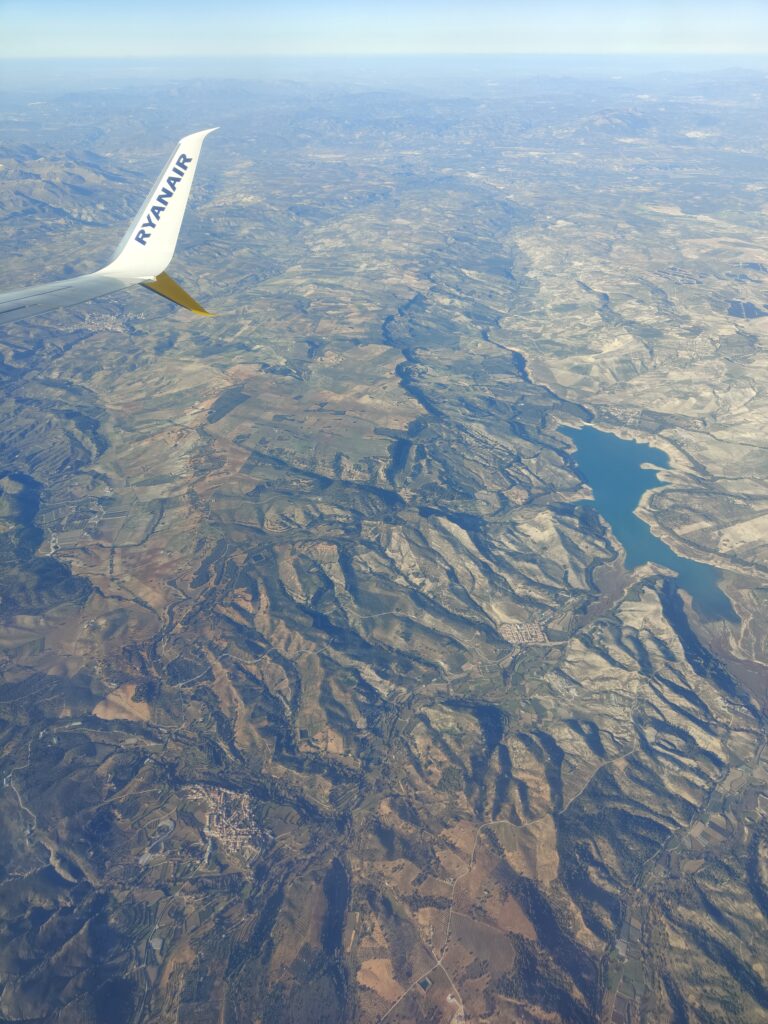
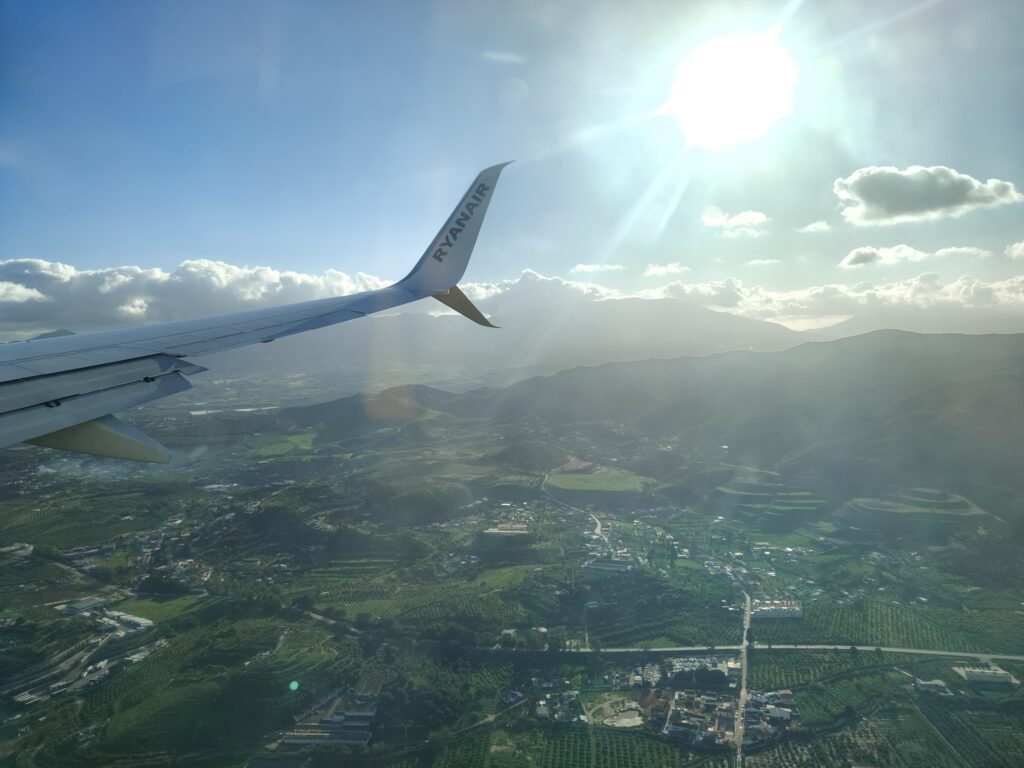
The direct flight from Wrocław to Málaga took around 3.5 hours. We were lucky with the weather, and the view of the Alps from the plane was absolutely breathtaking.
Benalmadena
We stayed in Benalmádena – a charming town located just 8 km from the airport and about 20 km from the center of Málaga. The region is very well connected by public transport – a bus ticket costs only €1.75.
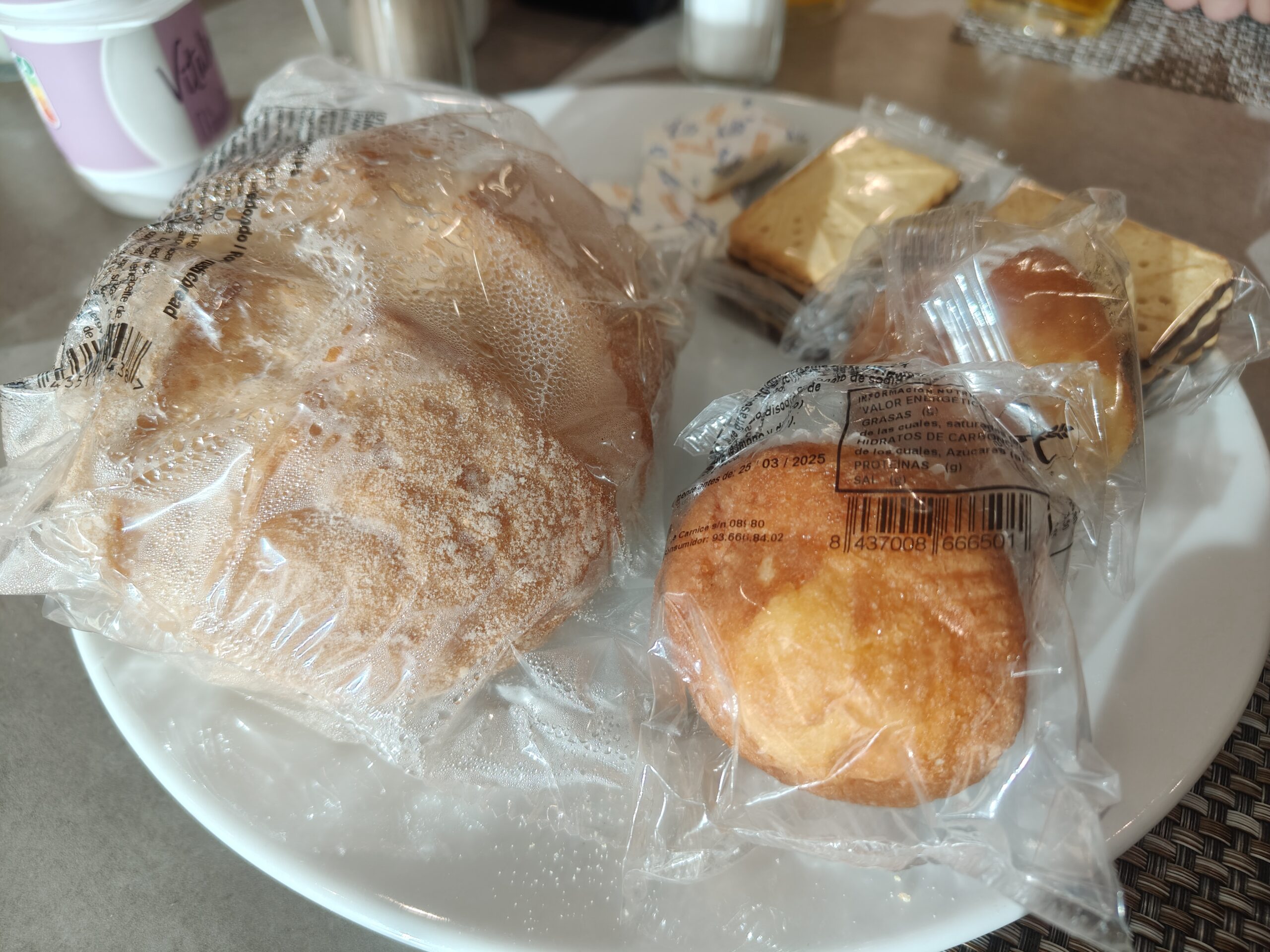
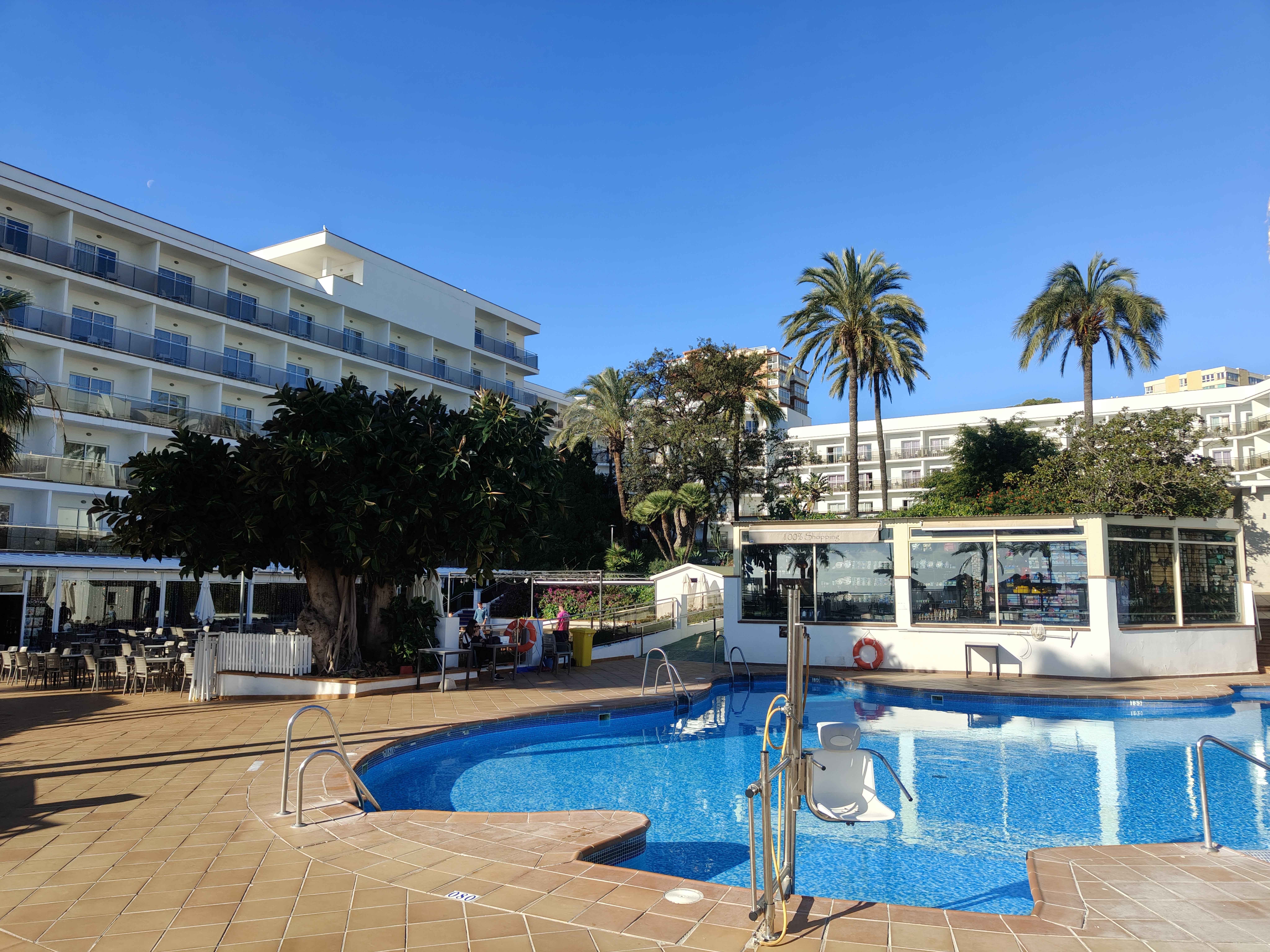
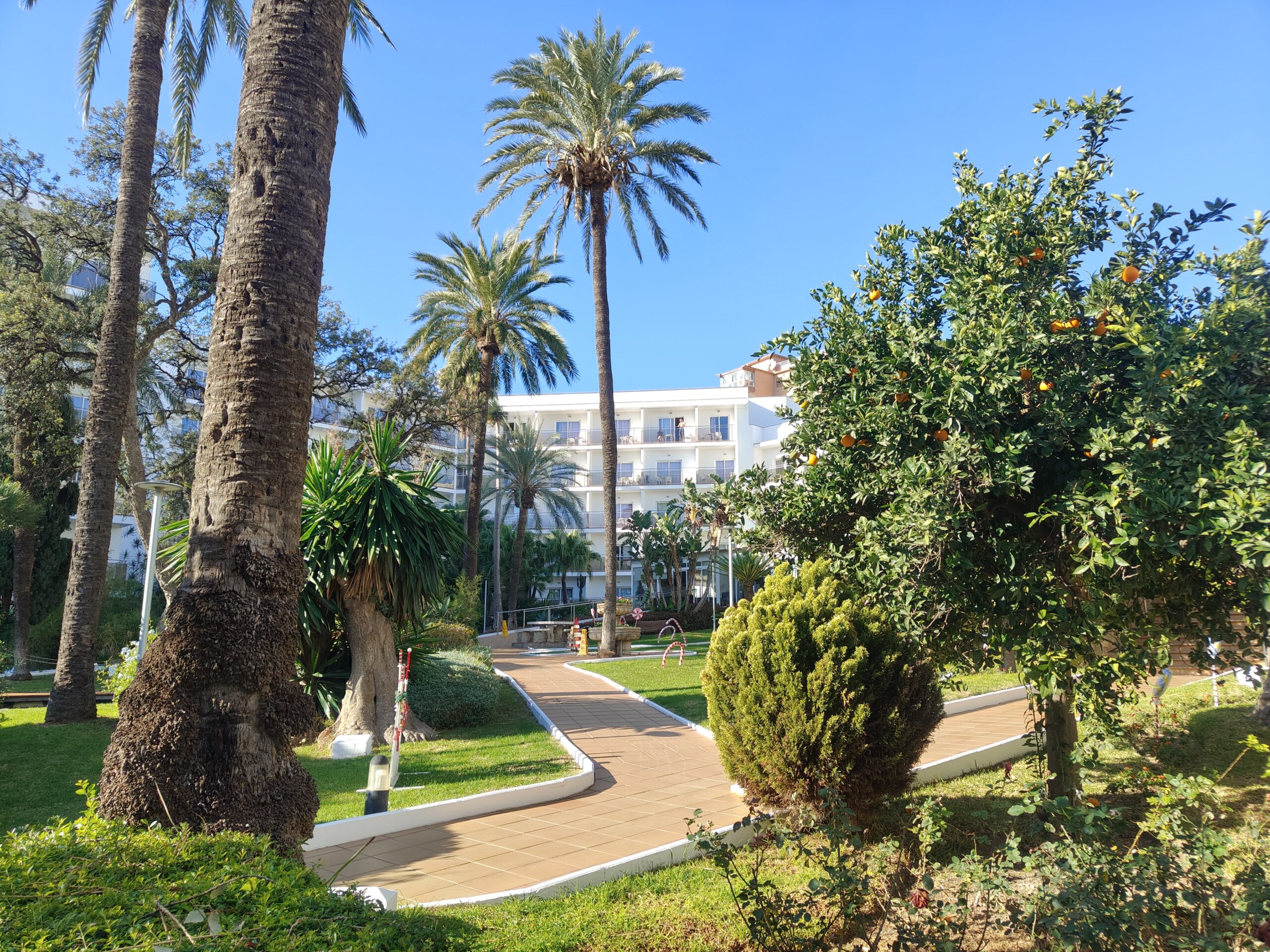
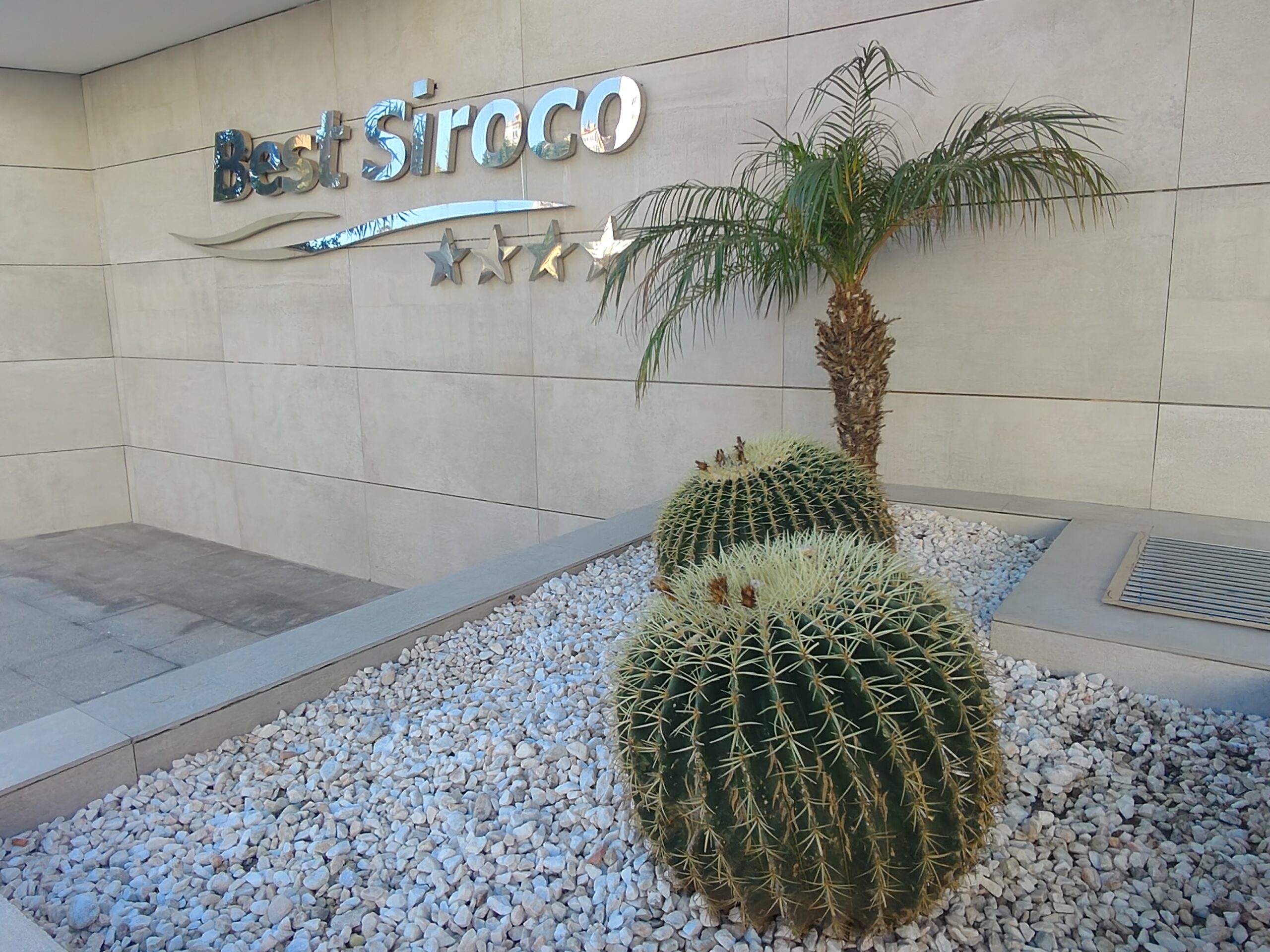
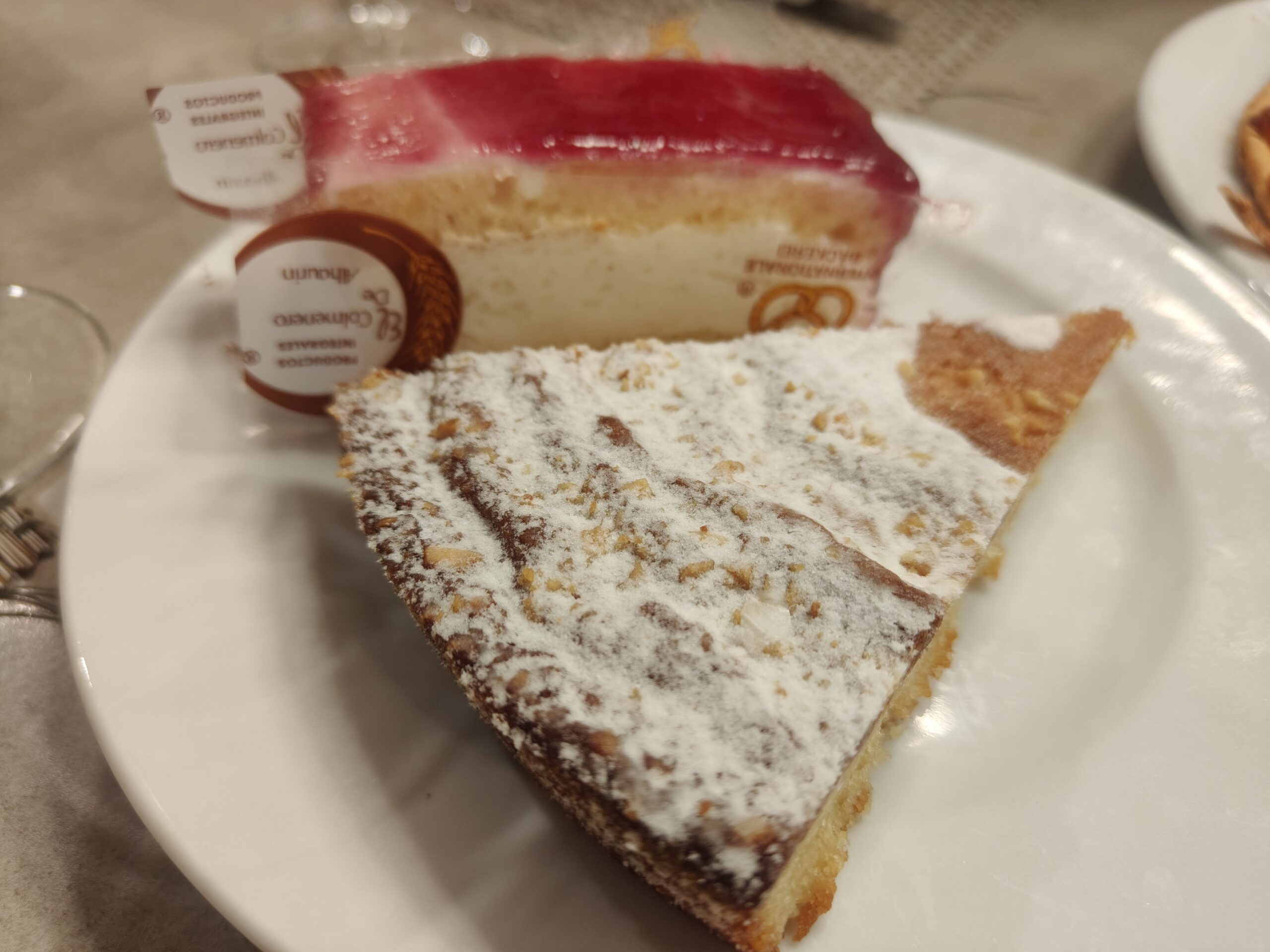
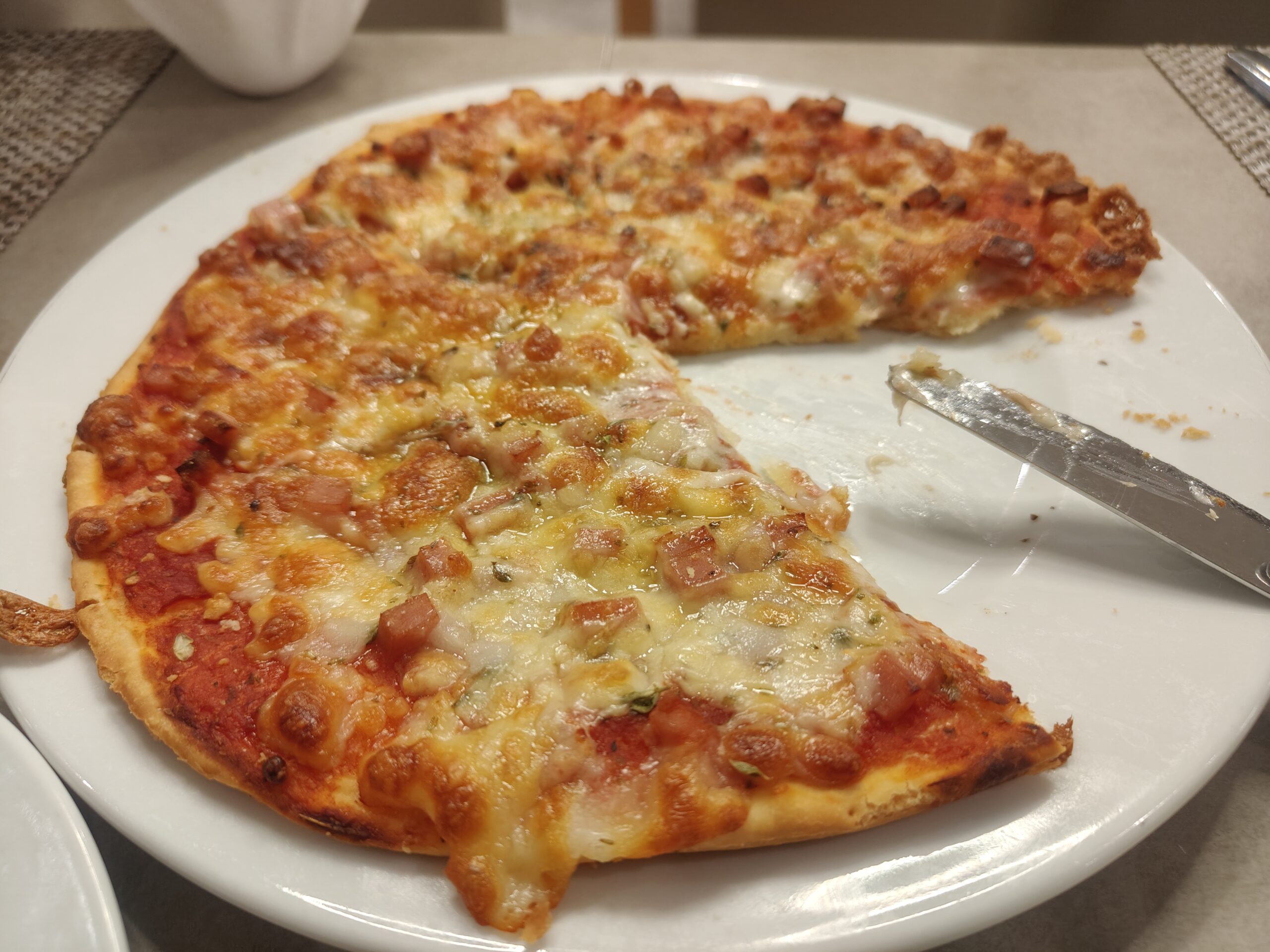
I can highly recommend Hotel Best Siroco in Benalmádena. The head of the restaurant, Mrs. Carmen, was very knowledgeable about gluten-free diets and celiac disease. She was also very kind and helpful – every day during breakfast and dinner she would show me which dishes were safe to eat. In the morning, you could request gluten-free bread rolls, muesli, or cookies. At dinner, there were plenty of gluten-free options available from the main buffet, and you could also ask in advance for special meals like lasagna (by Schär), pizza, or spaghetti.
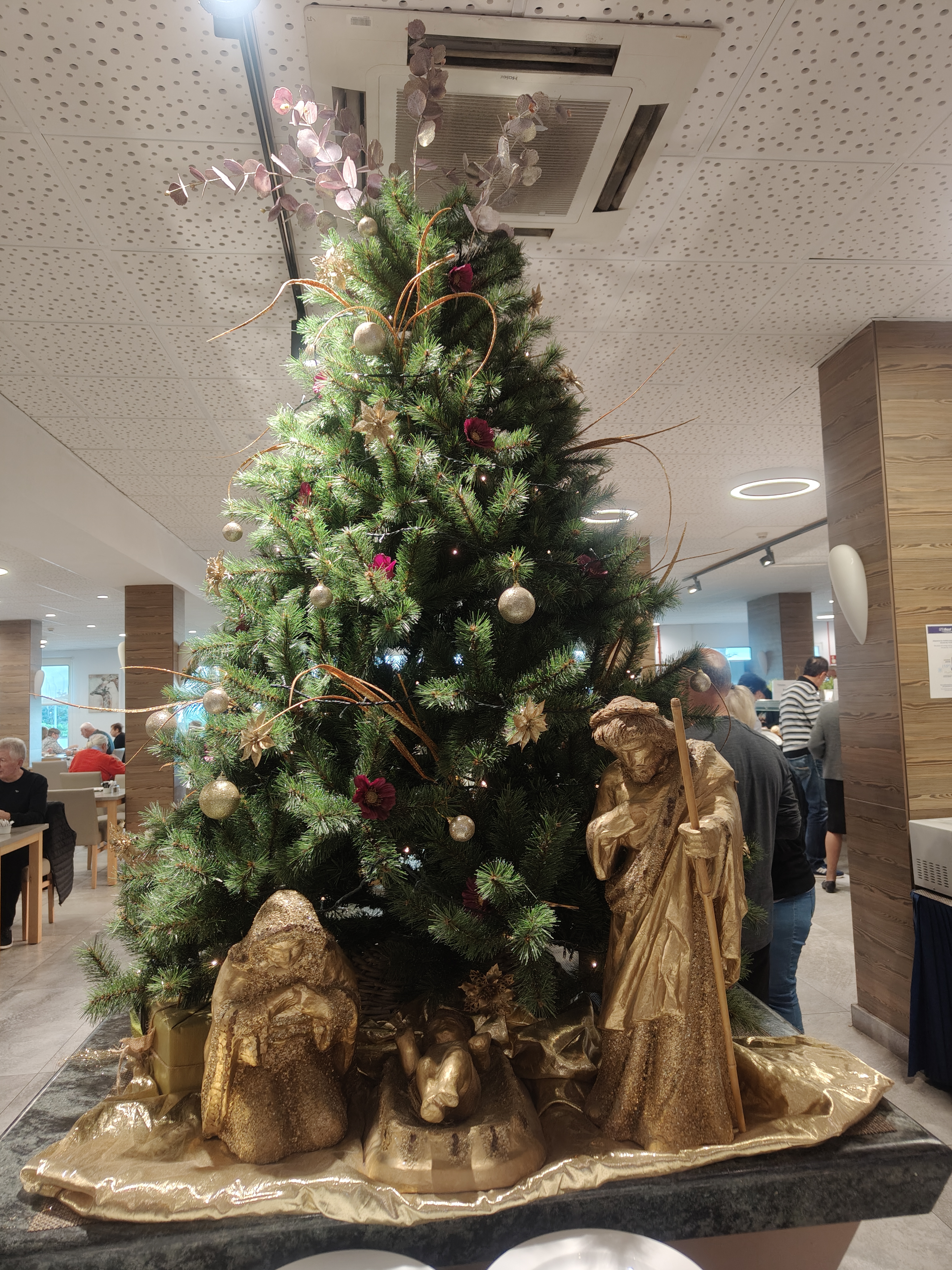
On Christmas Eve, the hotel held a festive dinner. Of course, there were no traditional Polish Christmas dishes like pierogi, but there were many Spanish holiday specialties such as lamb, roast turkey, and a wide variety of fish and seafood prepared in different ways. The food was not only delicious but also completely safe. Aside from me and my daughter, I saw a few other people with celiac disease dining in the restaurant.
In Benalmádena – as in the rest of Spain – gluten-free products are widely available. You can easily find them in stores like Mercadona or Carrefour.
During our six-day stay, we visited Málaga, the mountain village of Mijas Pueblo, Gibraltar, Monte Calamorro, and several smaller towns. We mostly used public transportation – the only exception was a guided tour to Gibraltar organized by TUI.
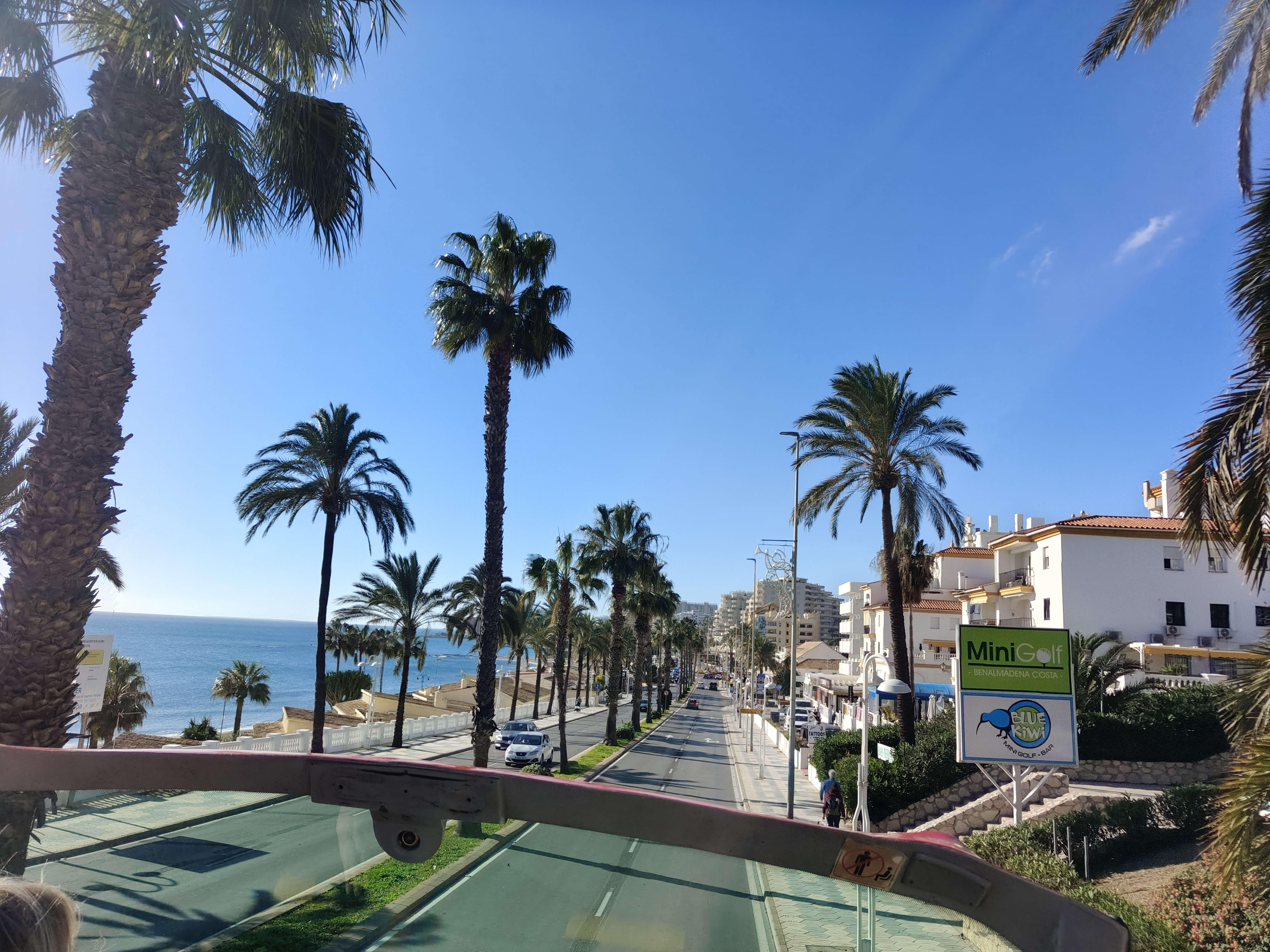
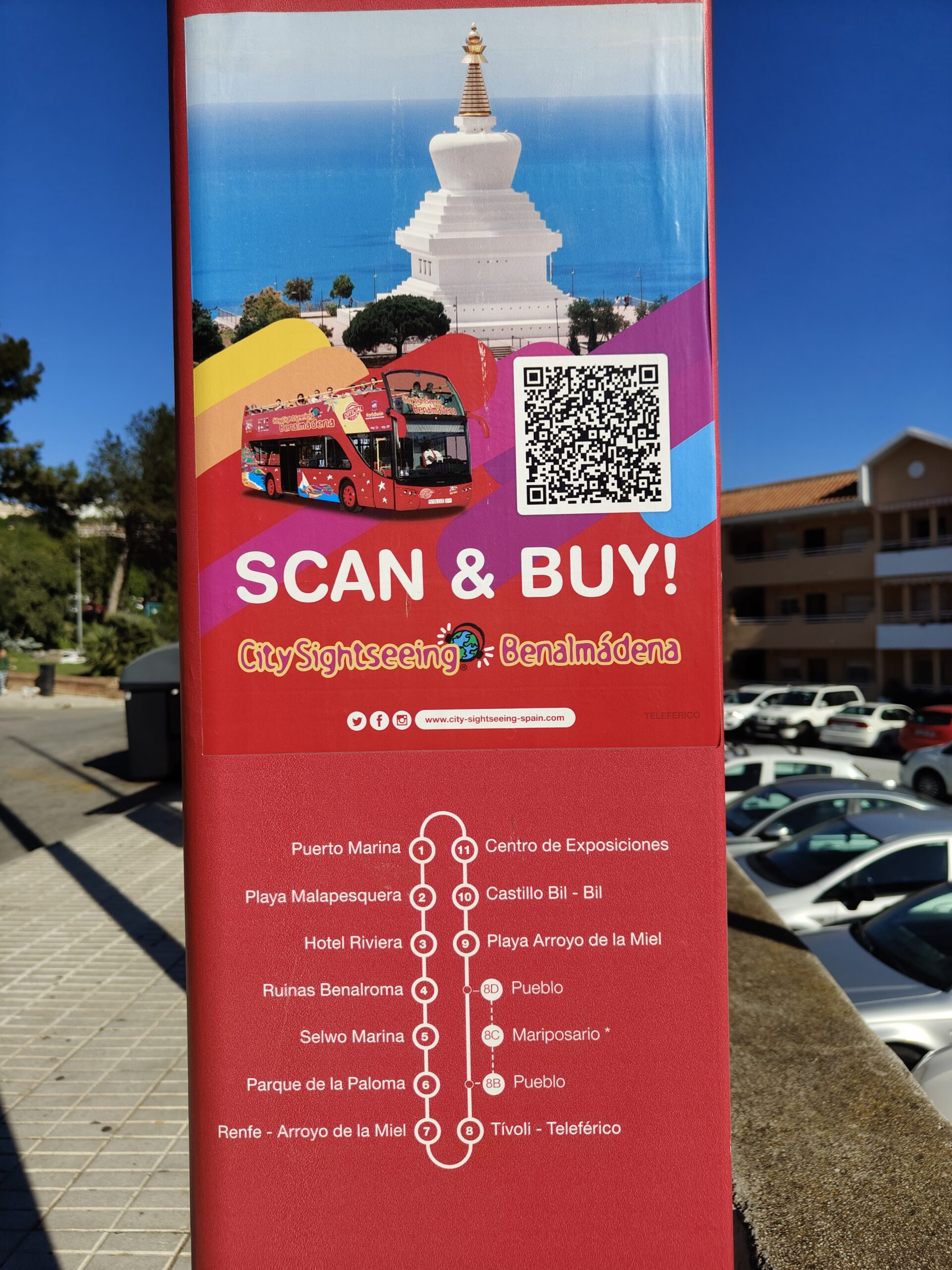
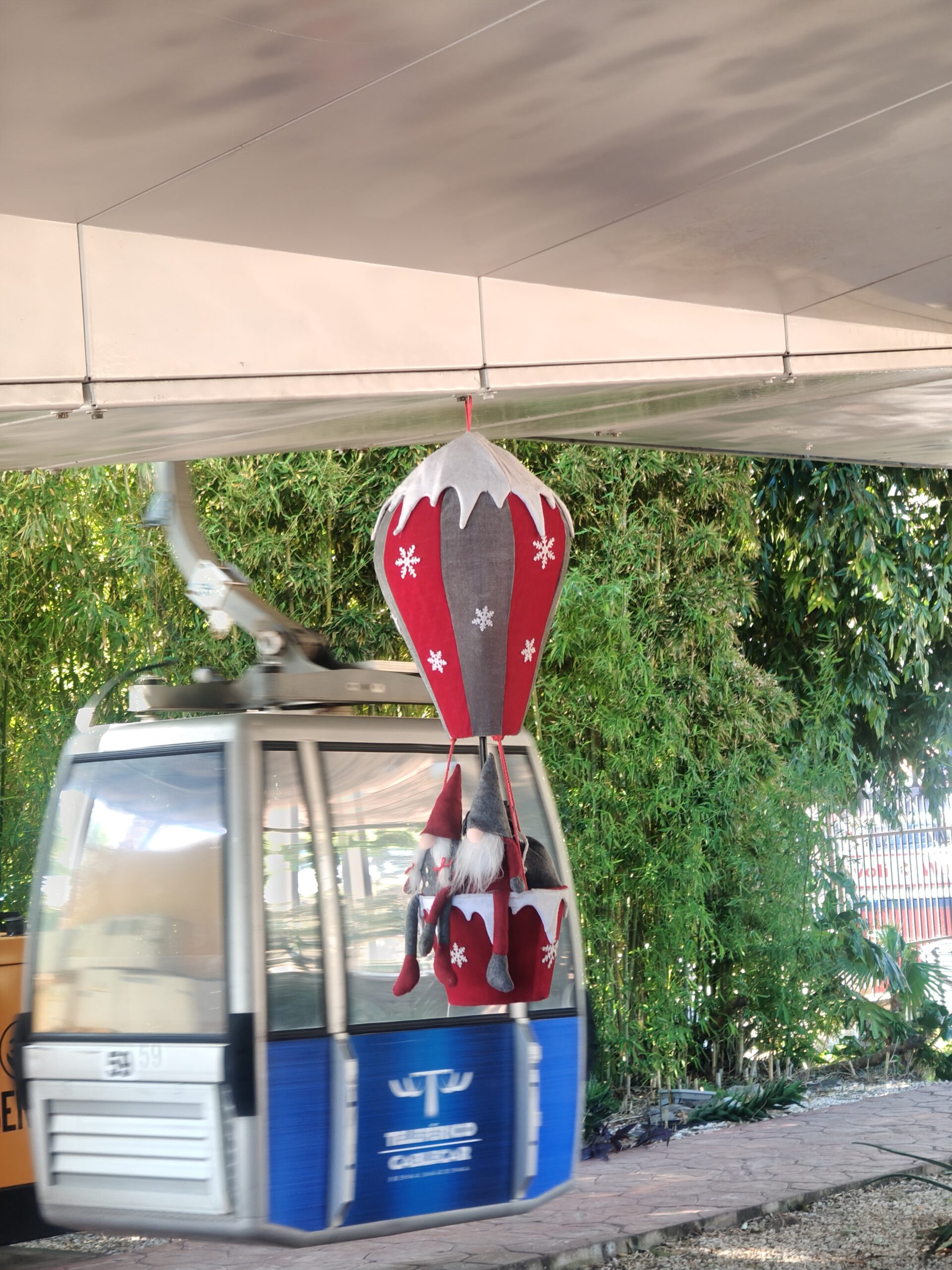
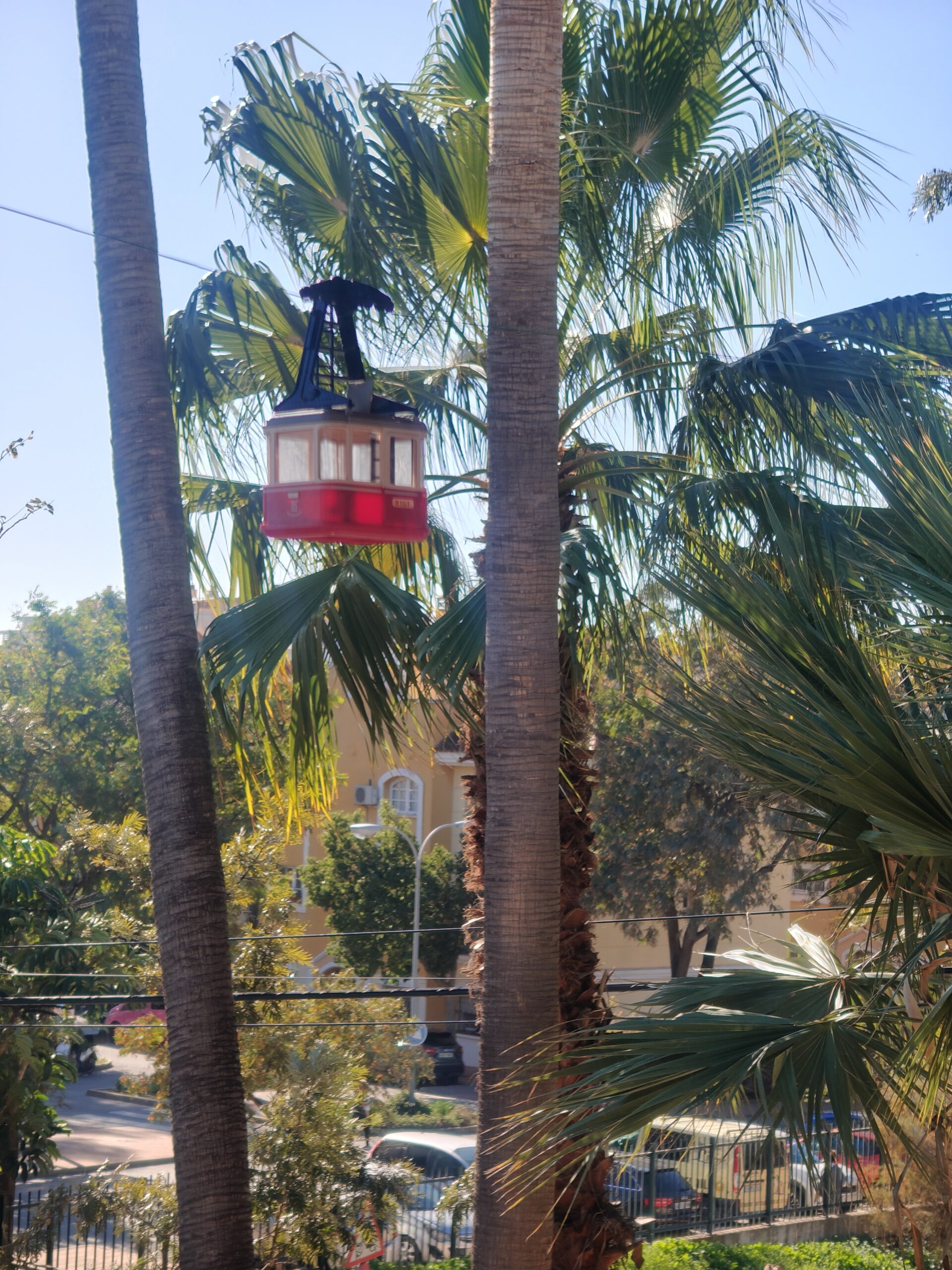
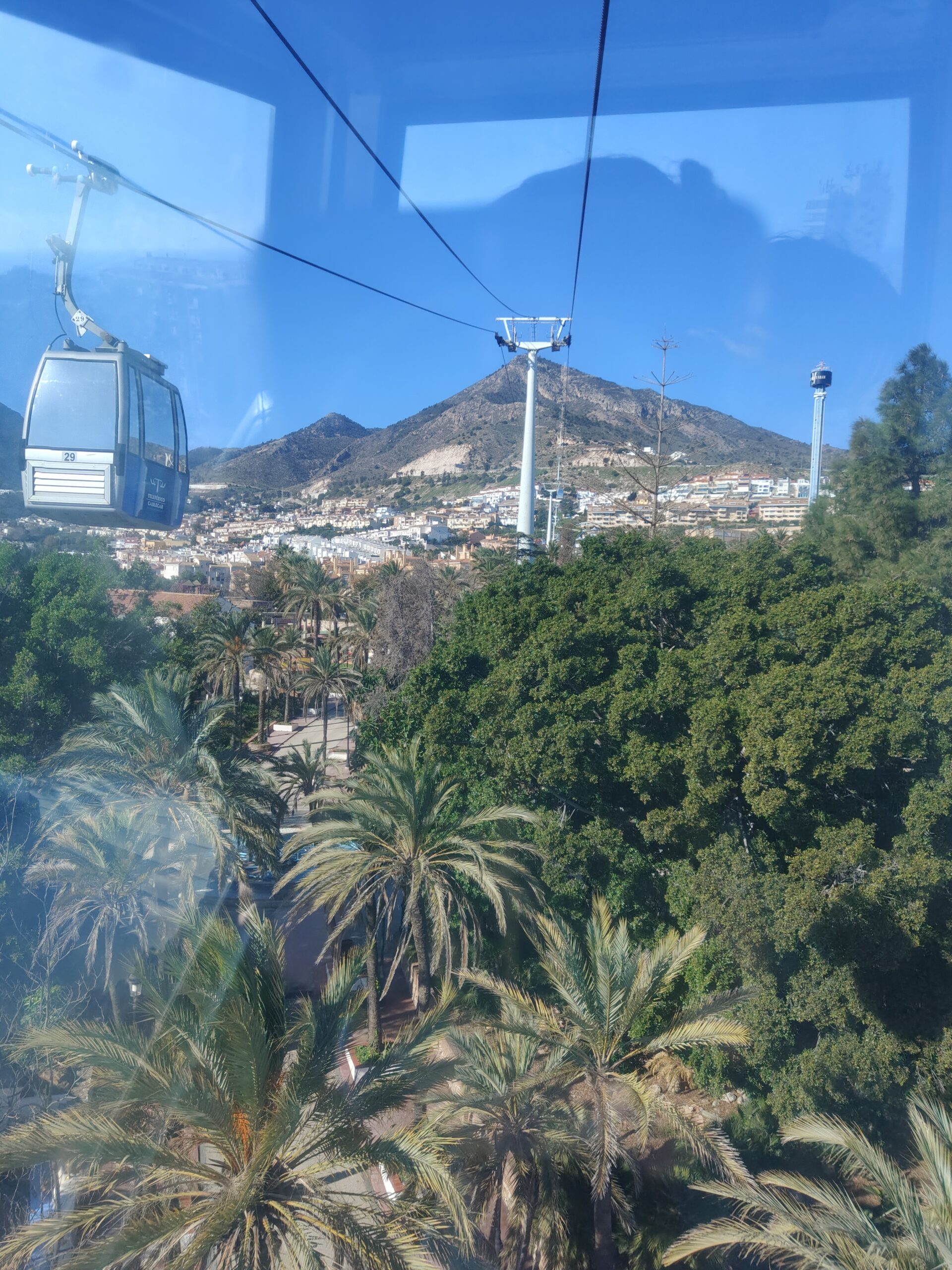
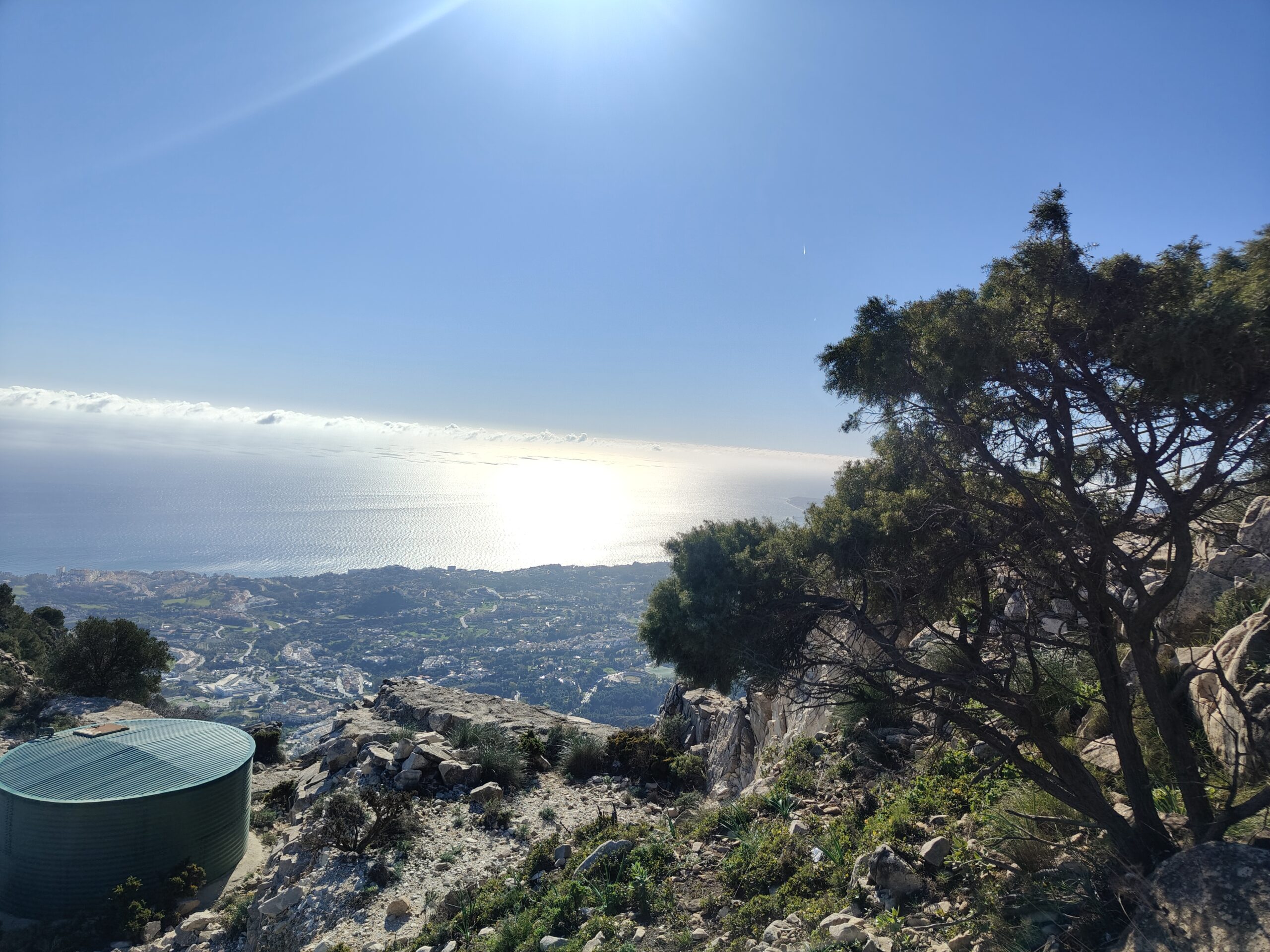
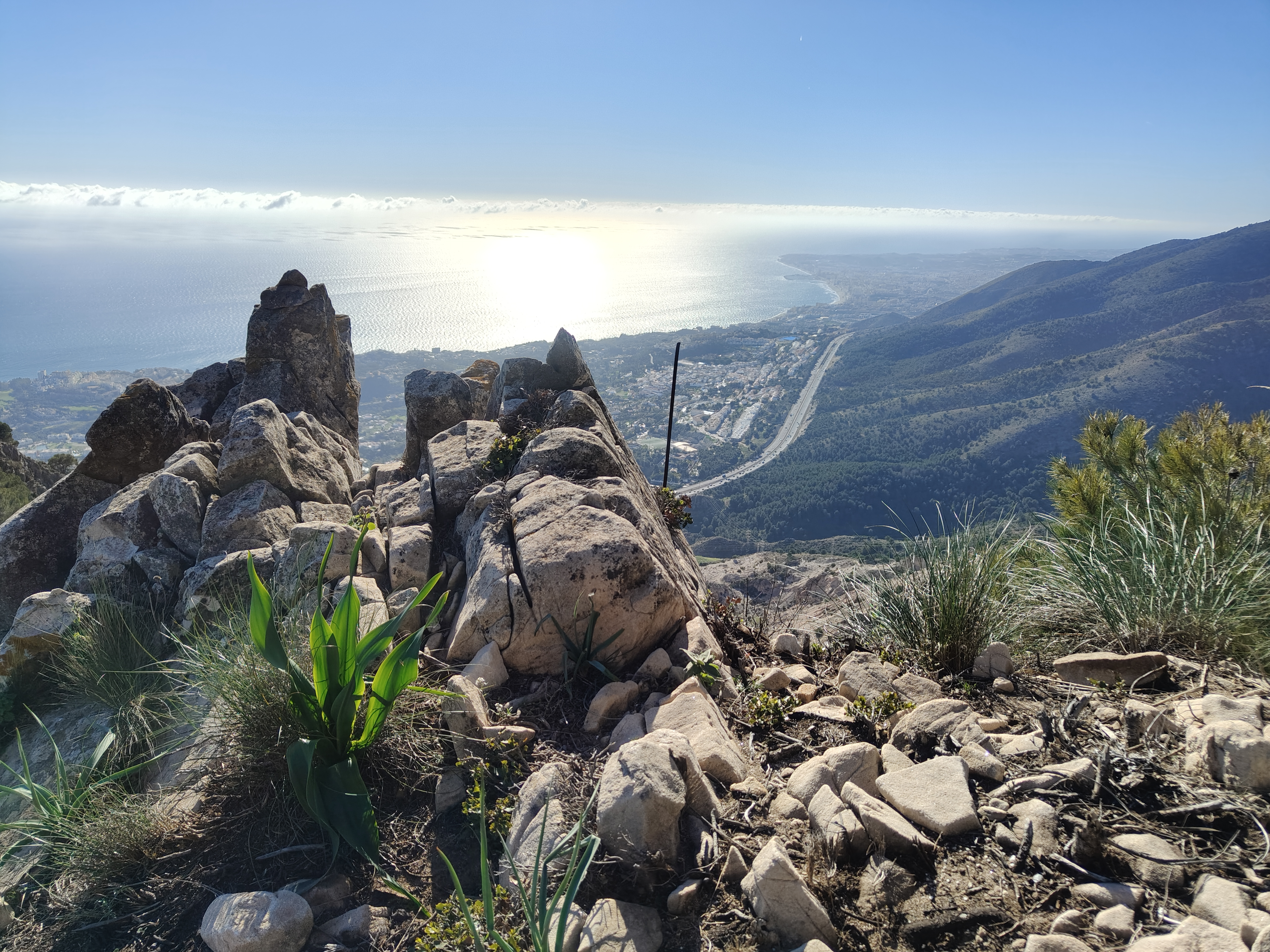
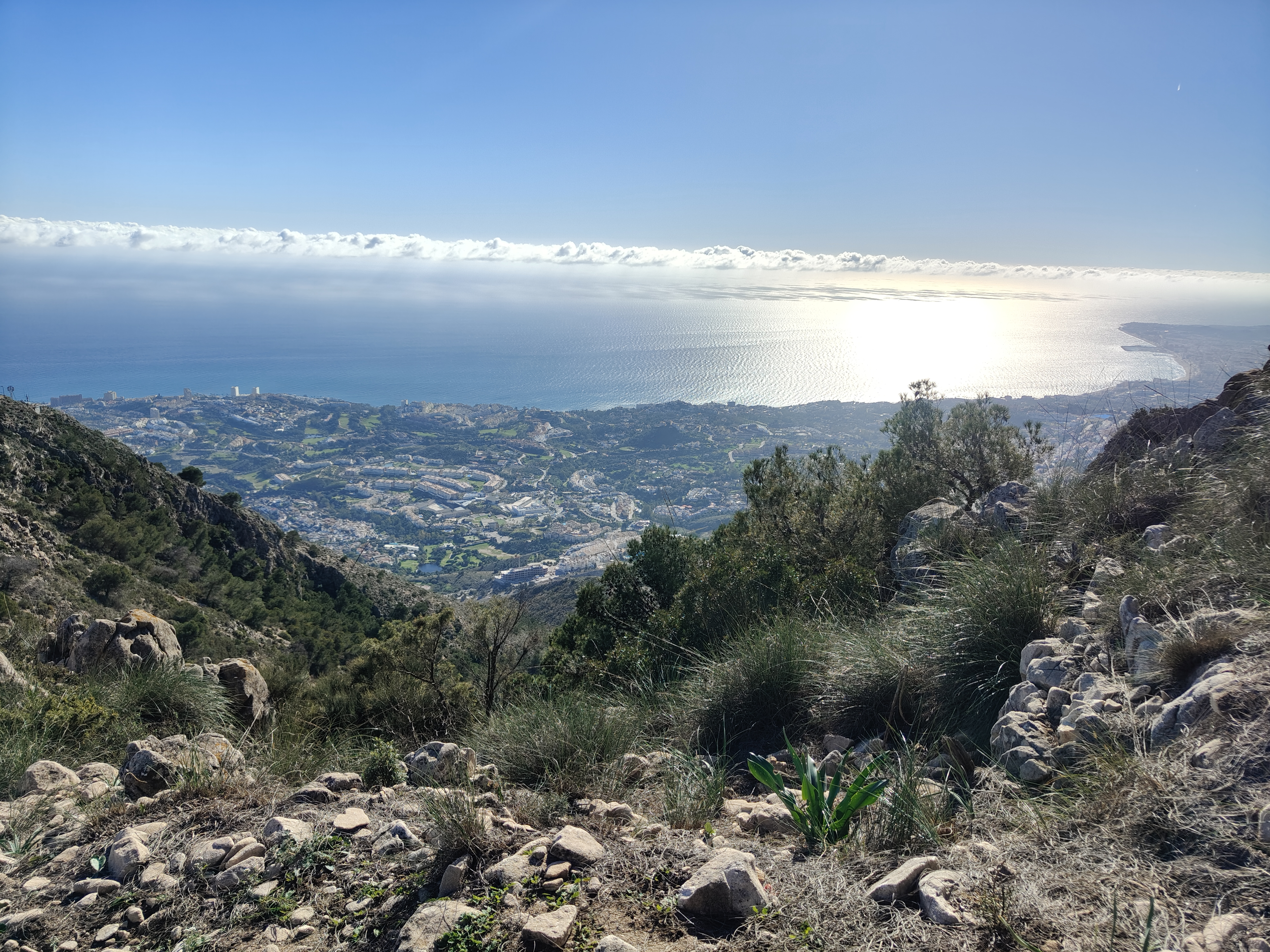
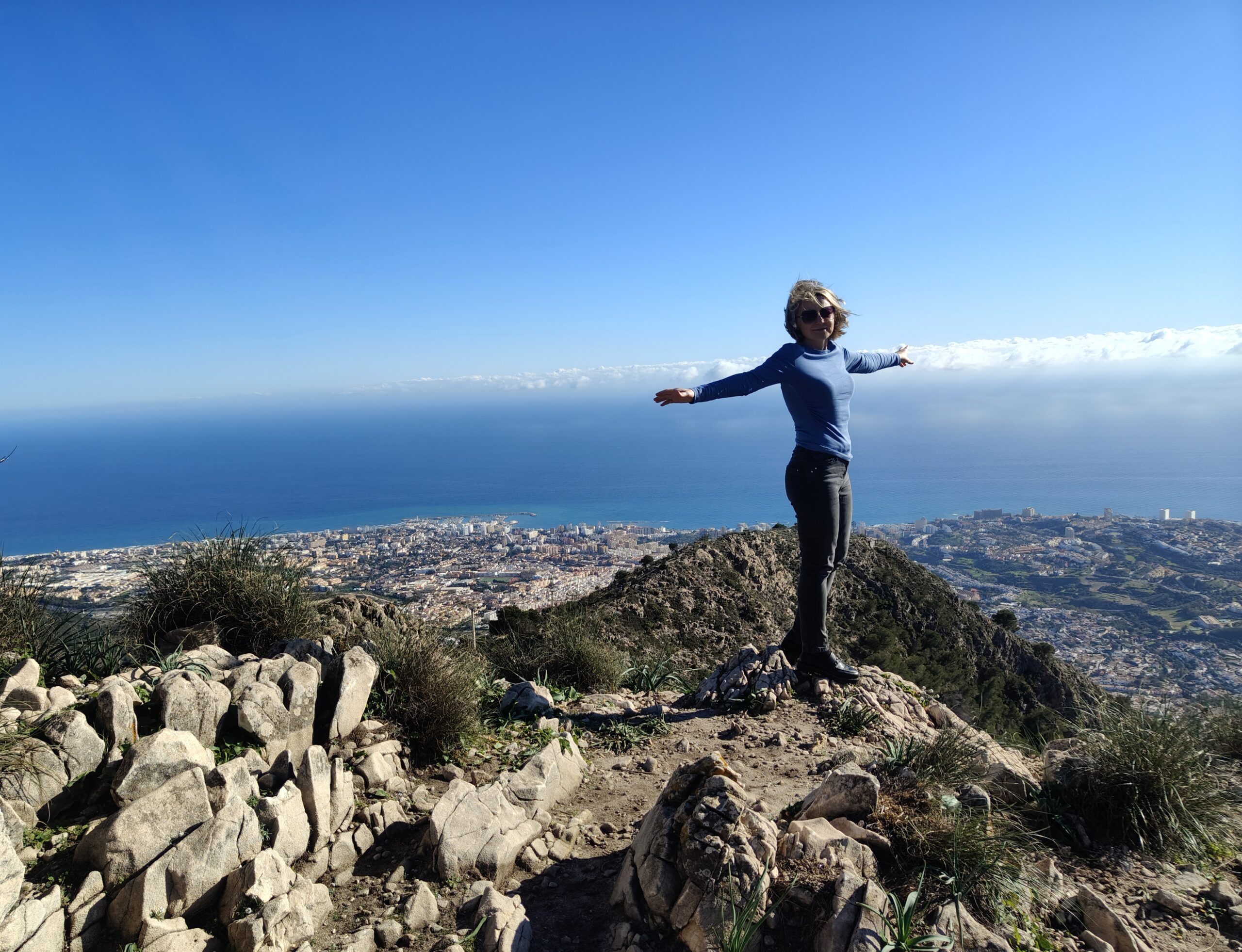
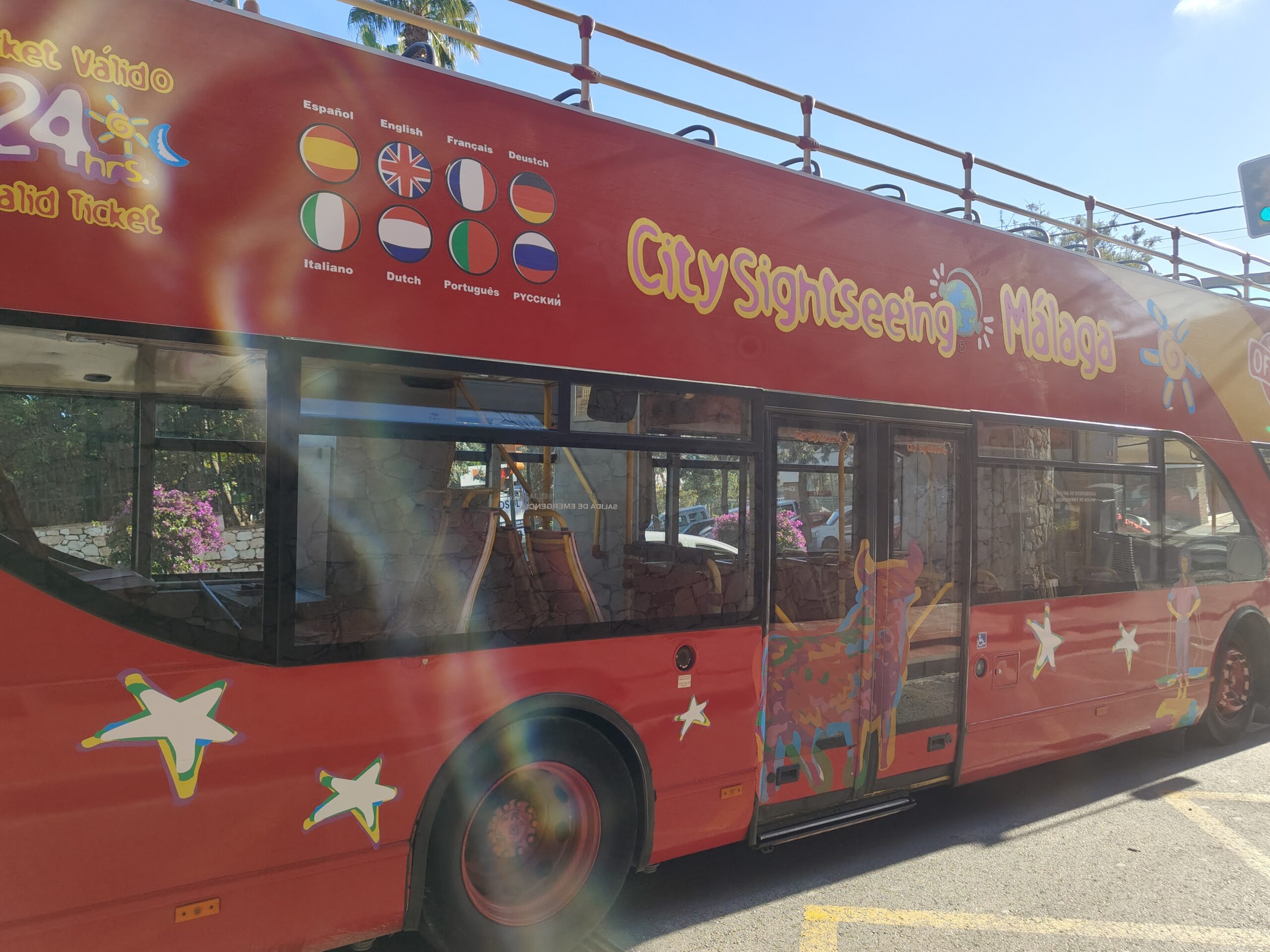
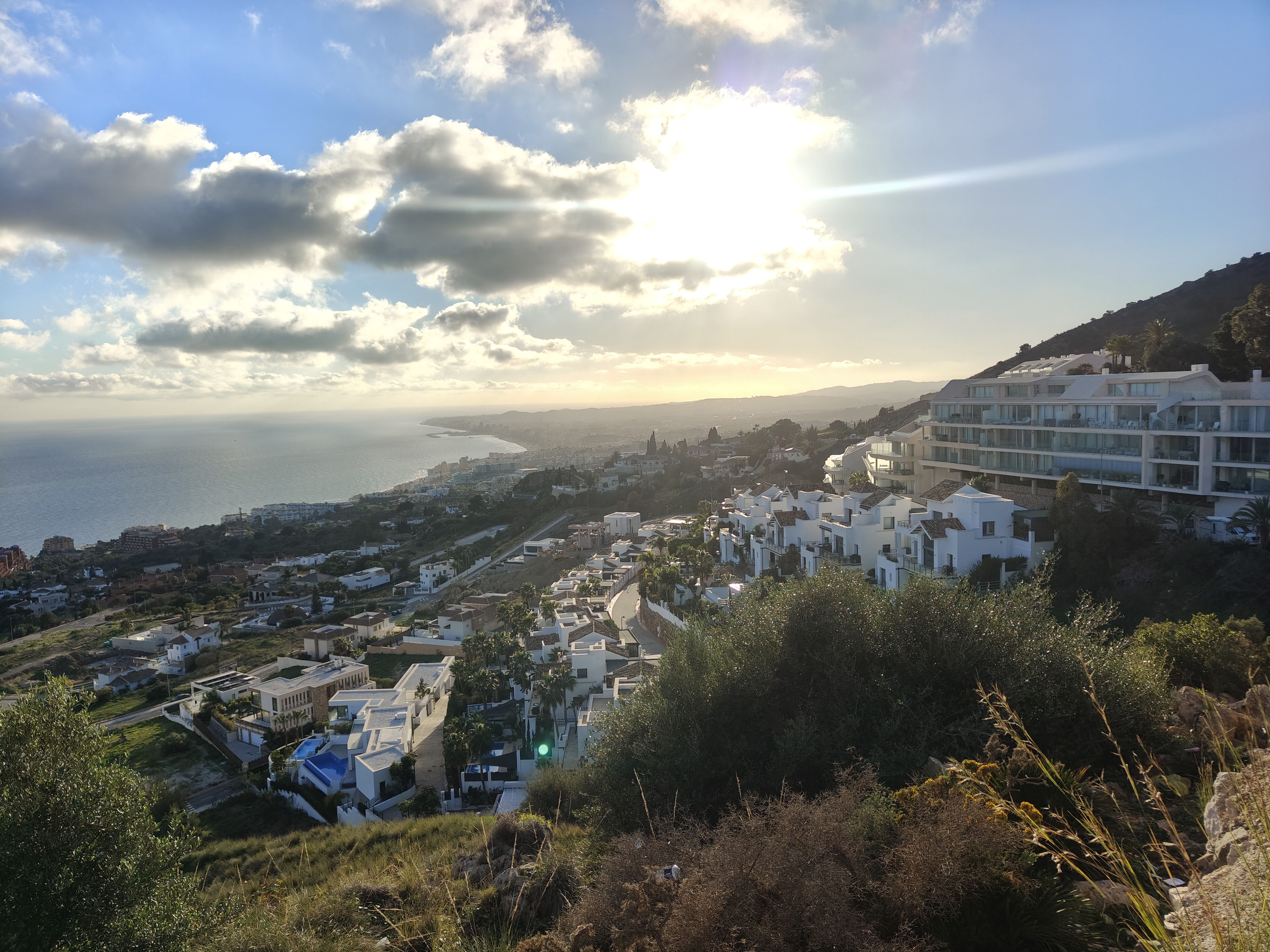
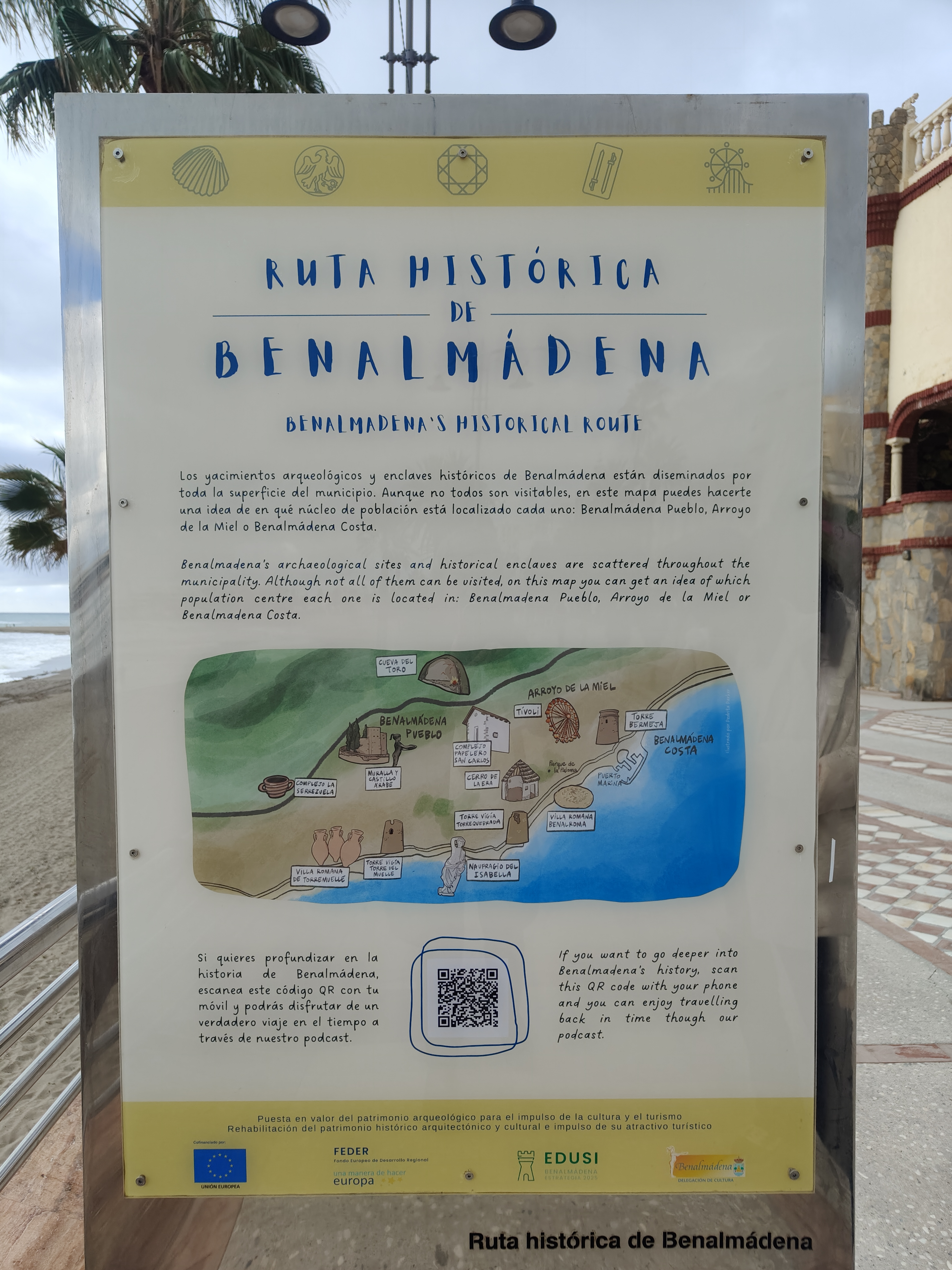
In Benalmádena itself, it’s worth taking the so-called City-sightseeng Bus – a double-decker that takes tourists around the town and surrounding area /www.city-sightseeng-spain.com . We used it to get to the cable car up to Monte Calamorro, where we enjoyed stunning views of the Costa del Sol and went for a hike. The December sun was surprisingly strong up there!
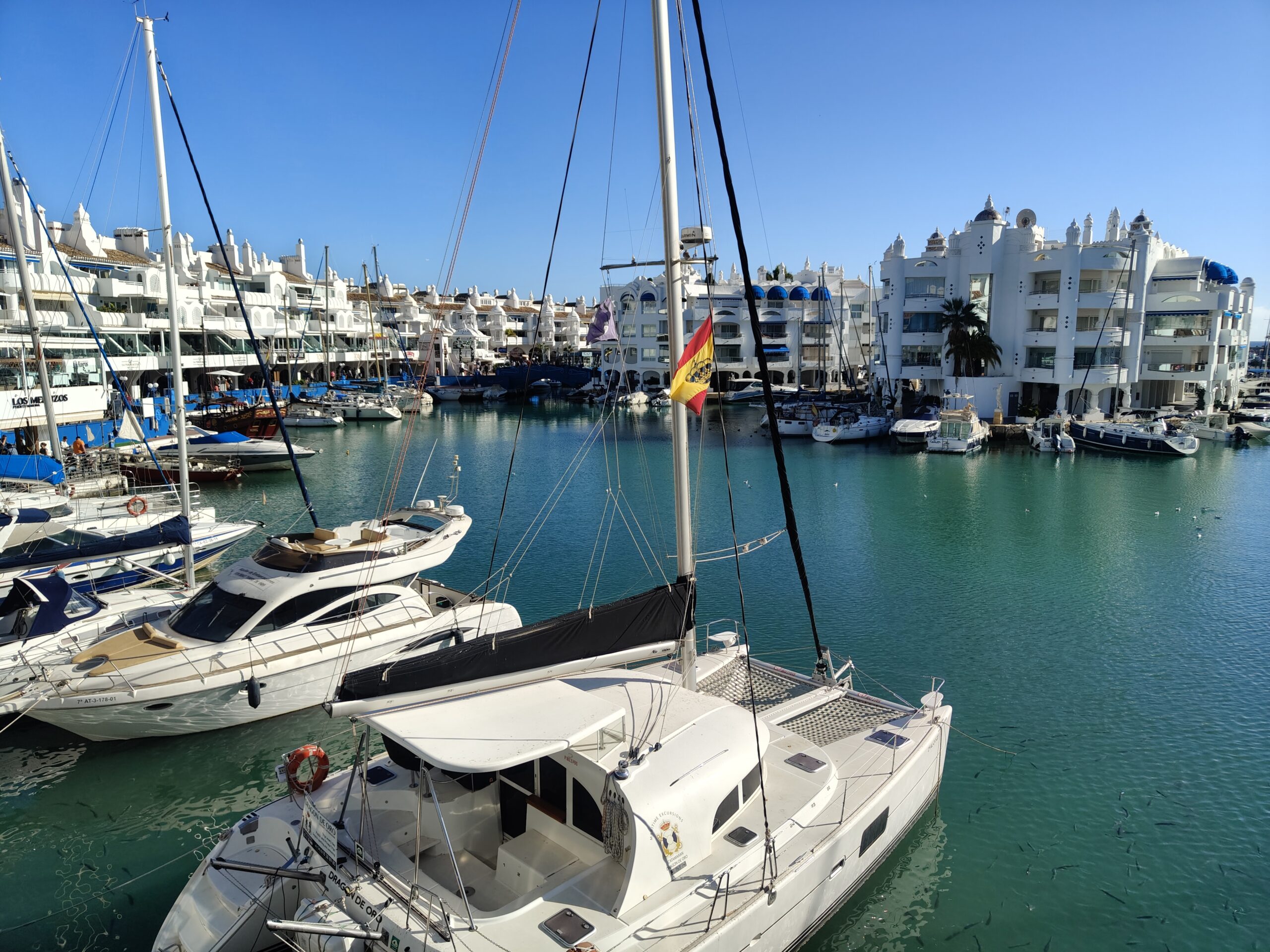
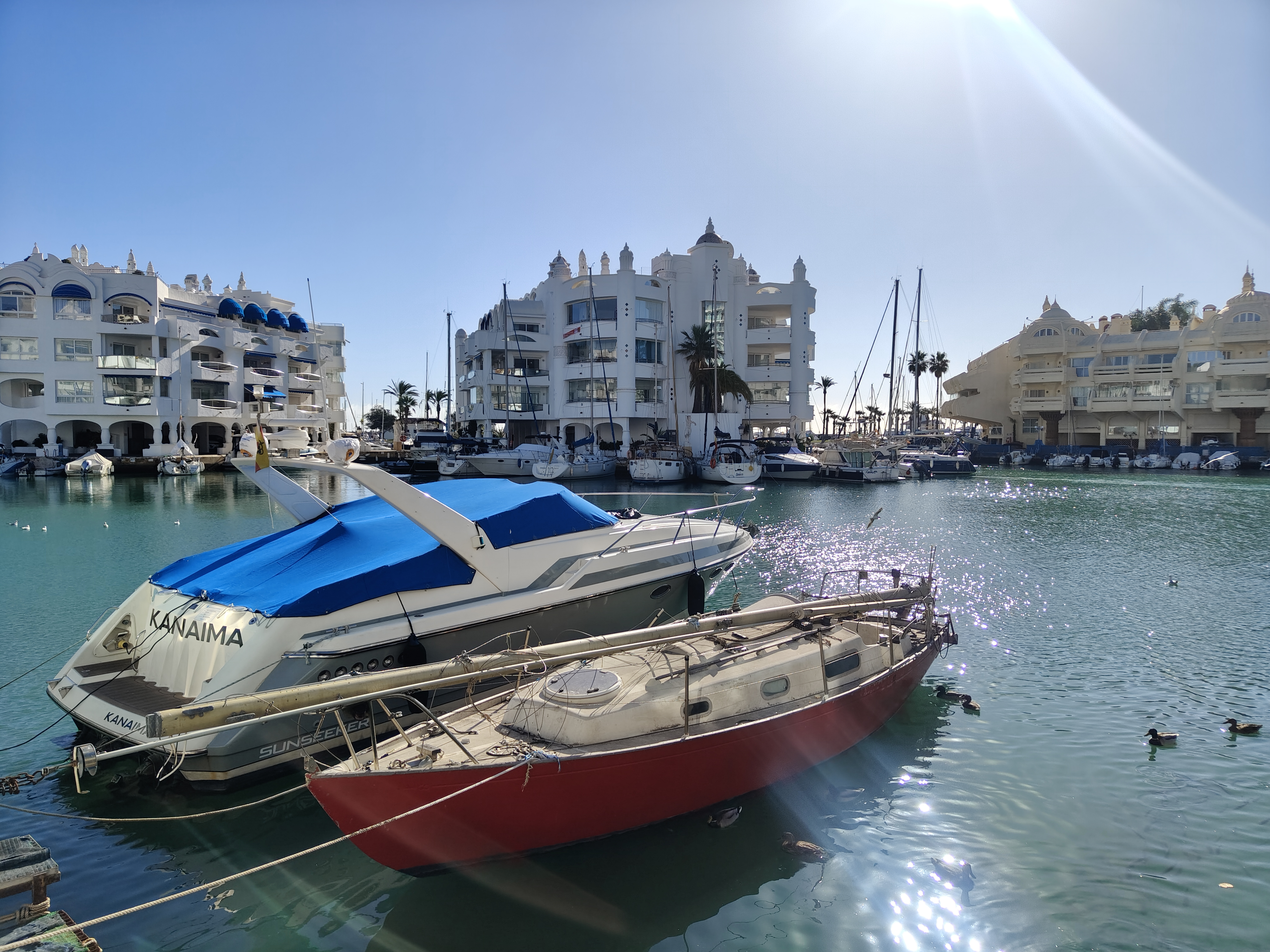
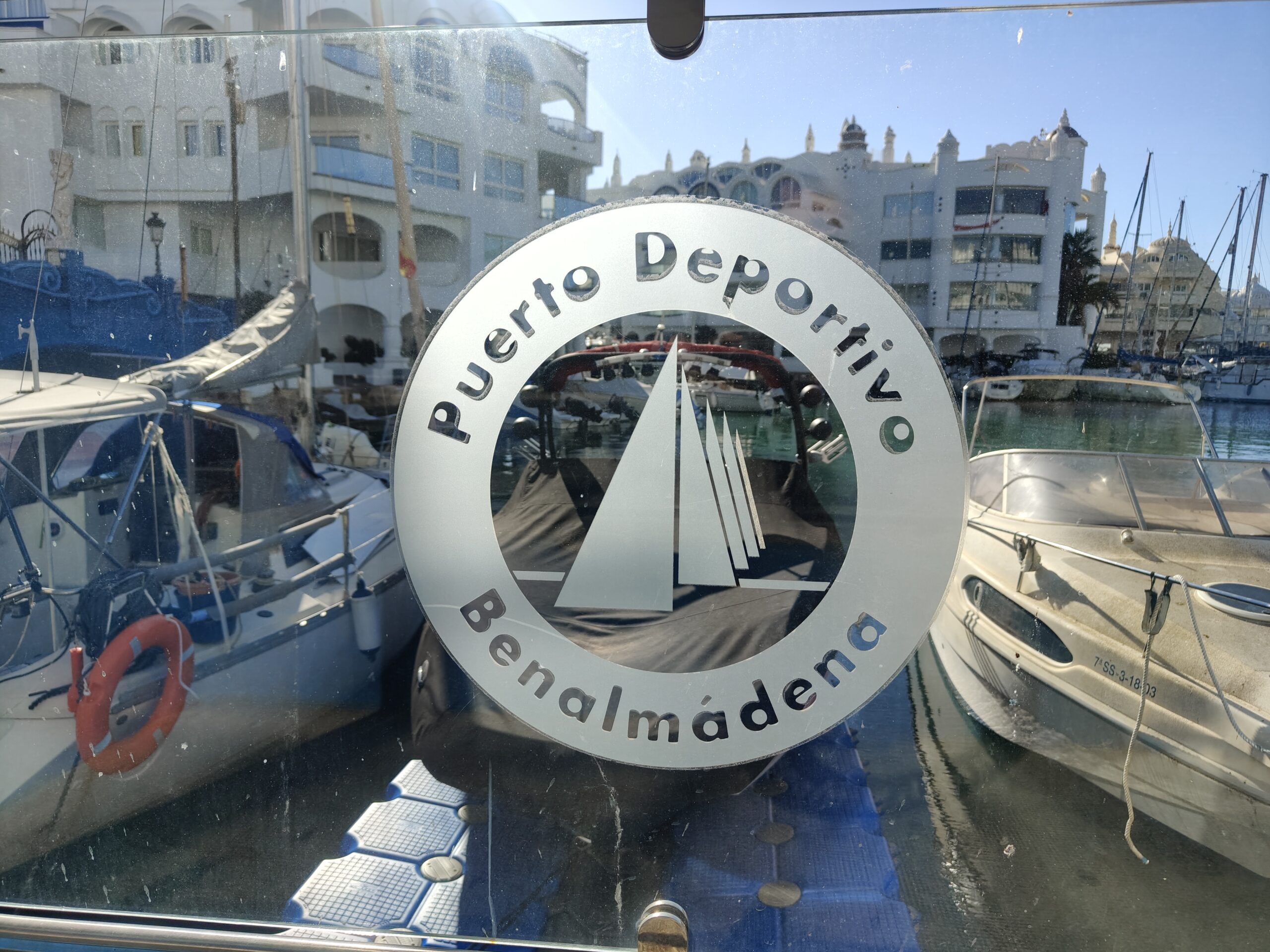
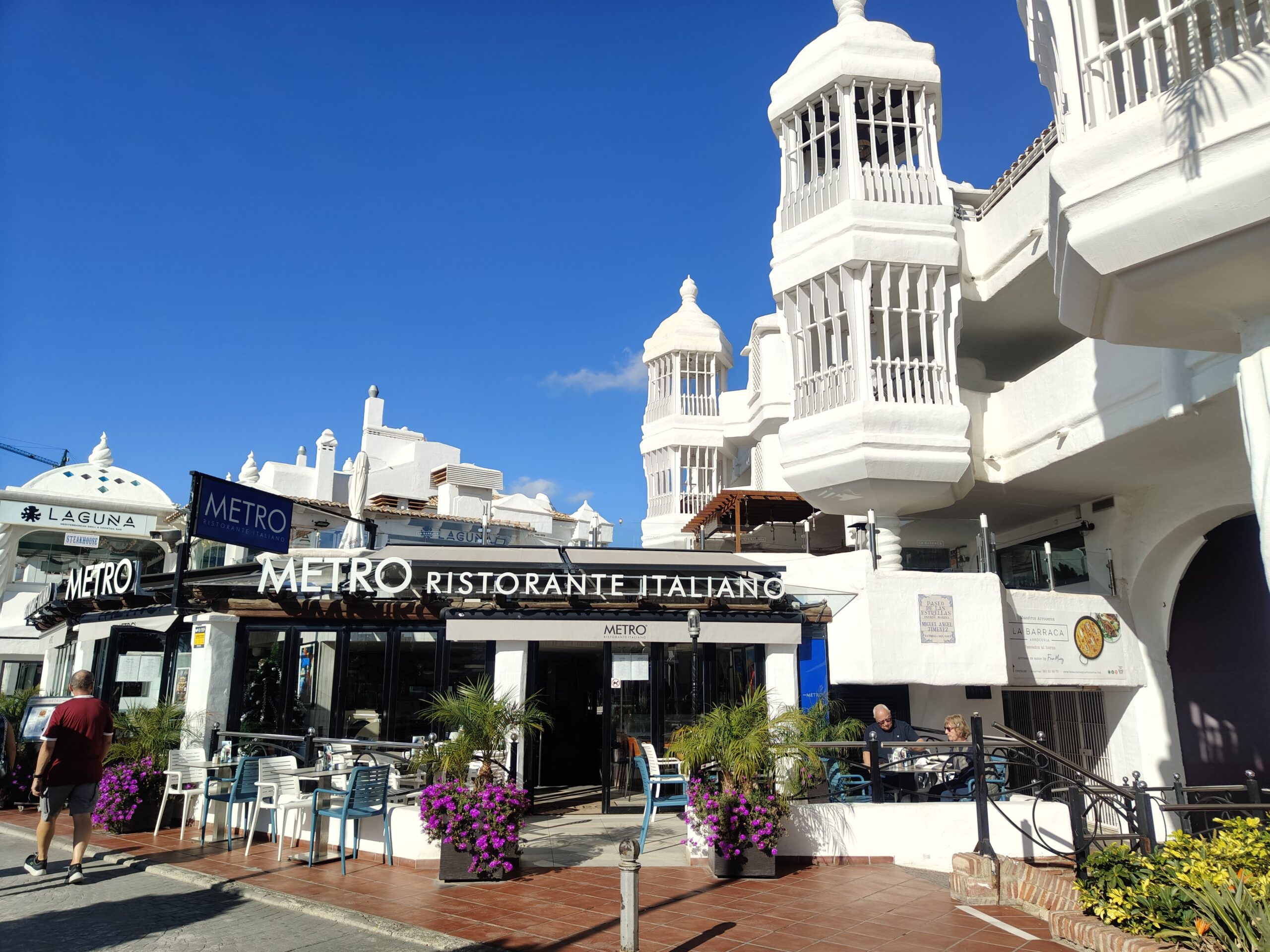
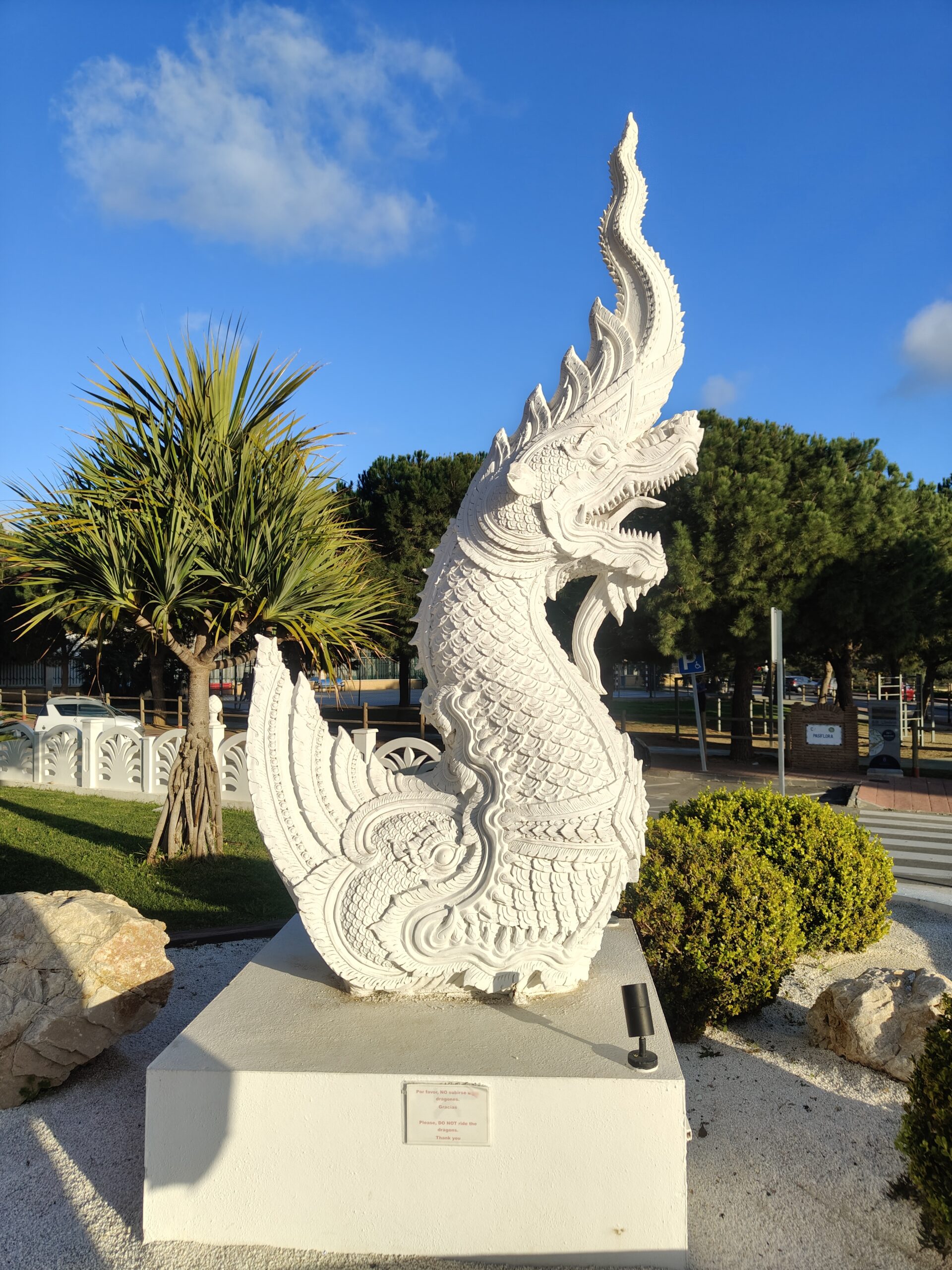
Another must-see is Puerto Marina – the local port with unique architecture. It consists of several artificial islands connected by small red bridges. The place stands out with its blend of architectural styles, featuring Arab, Indian, and Andalusian influences.
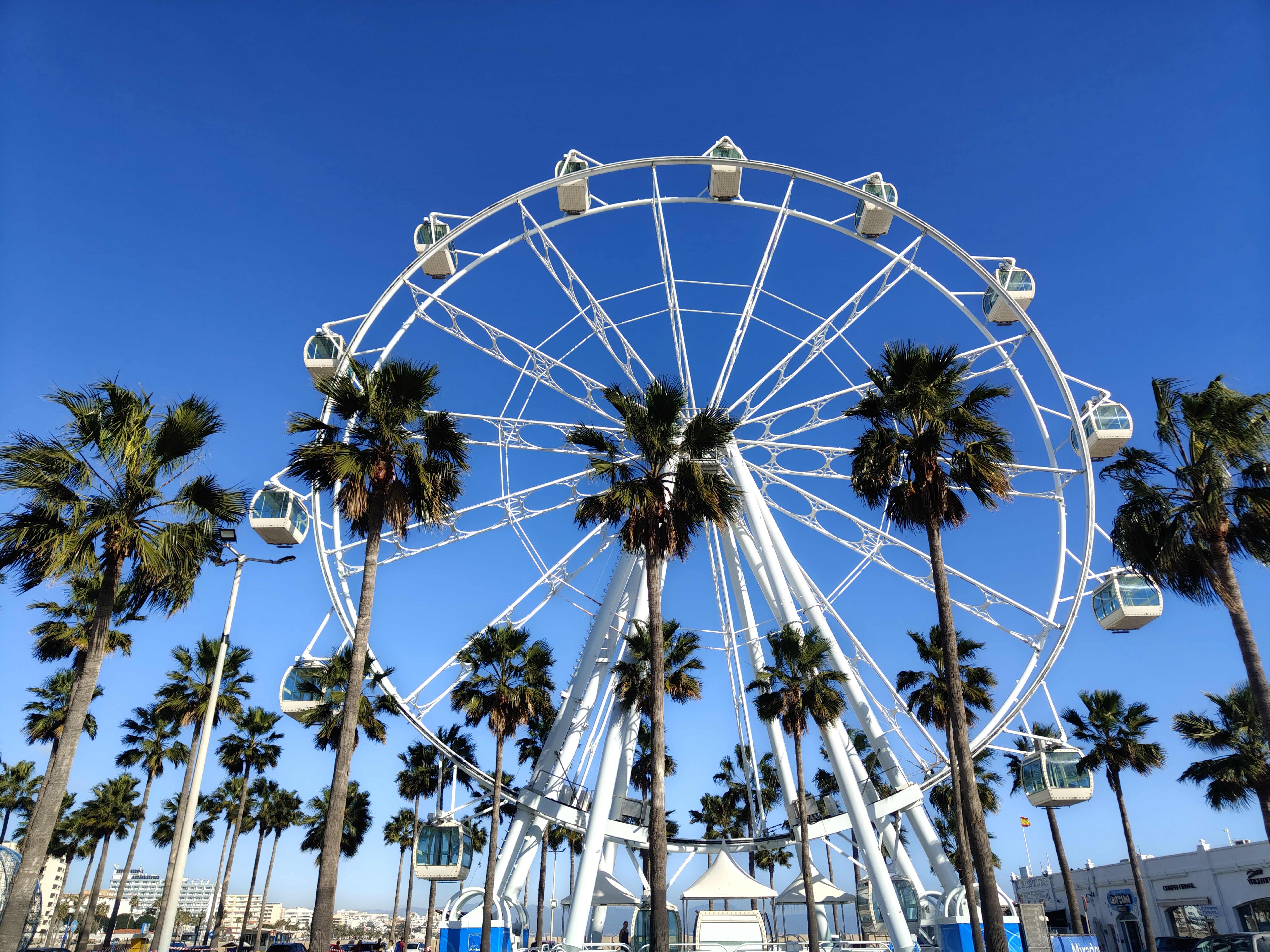
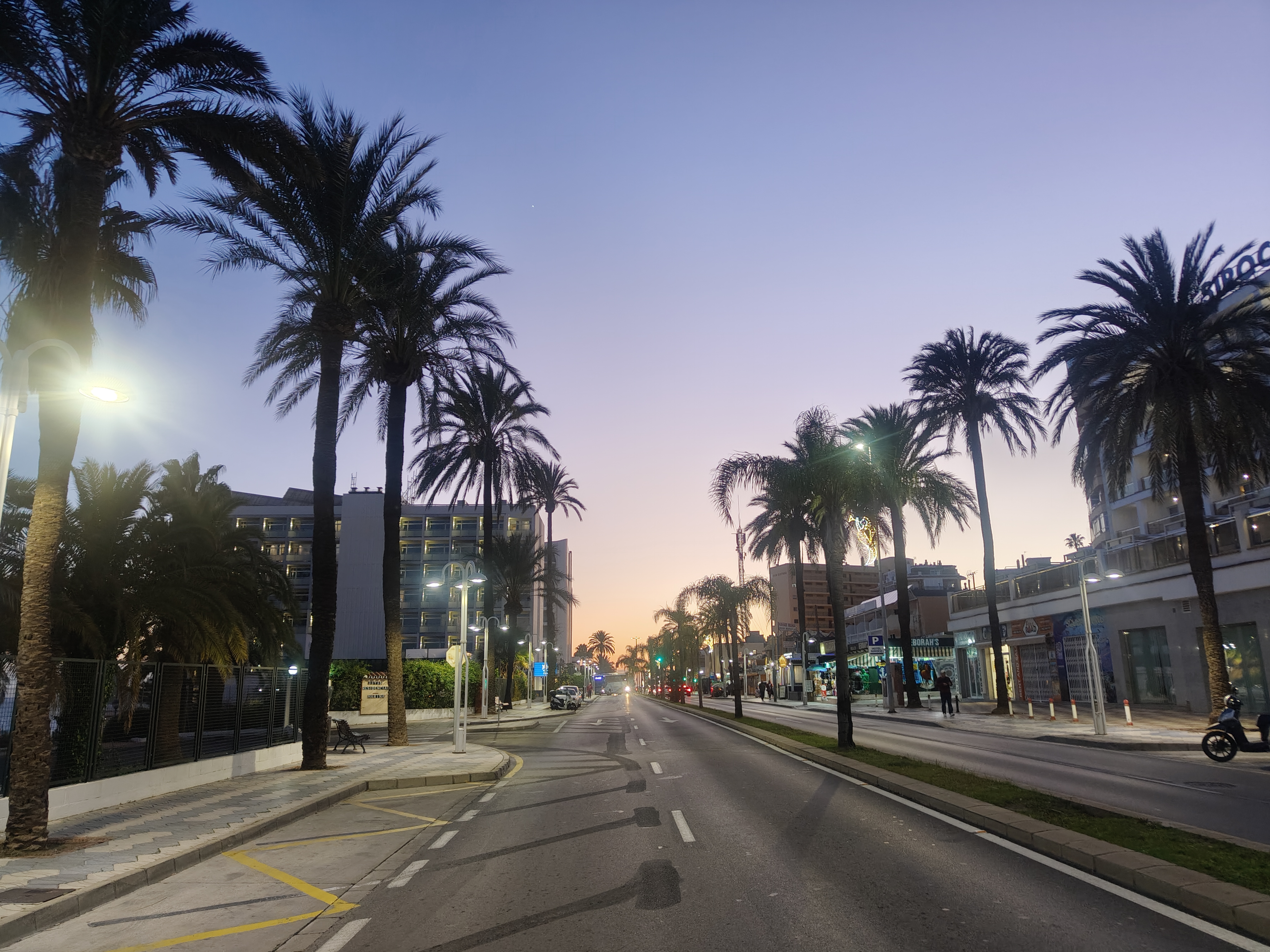
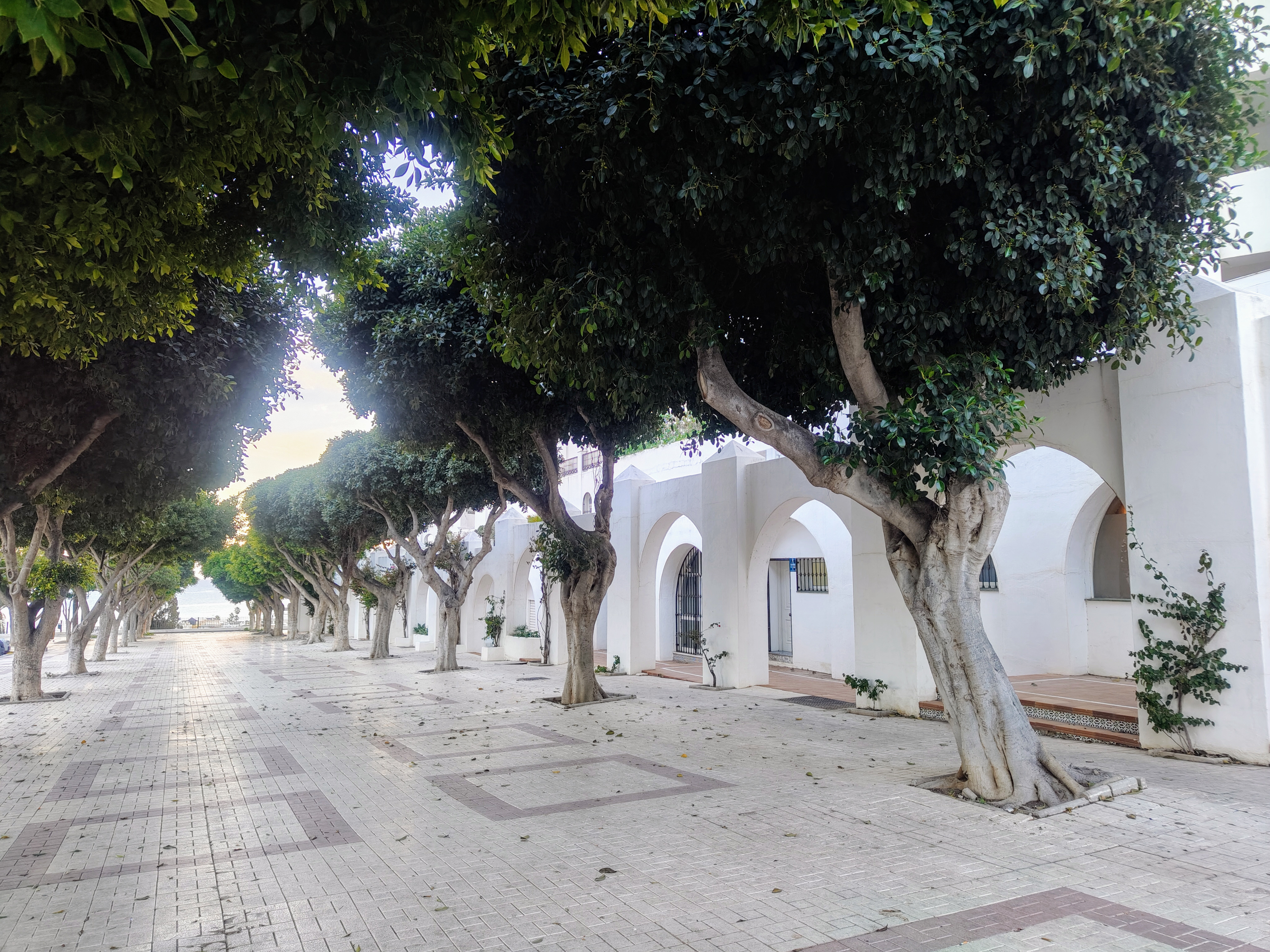
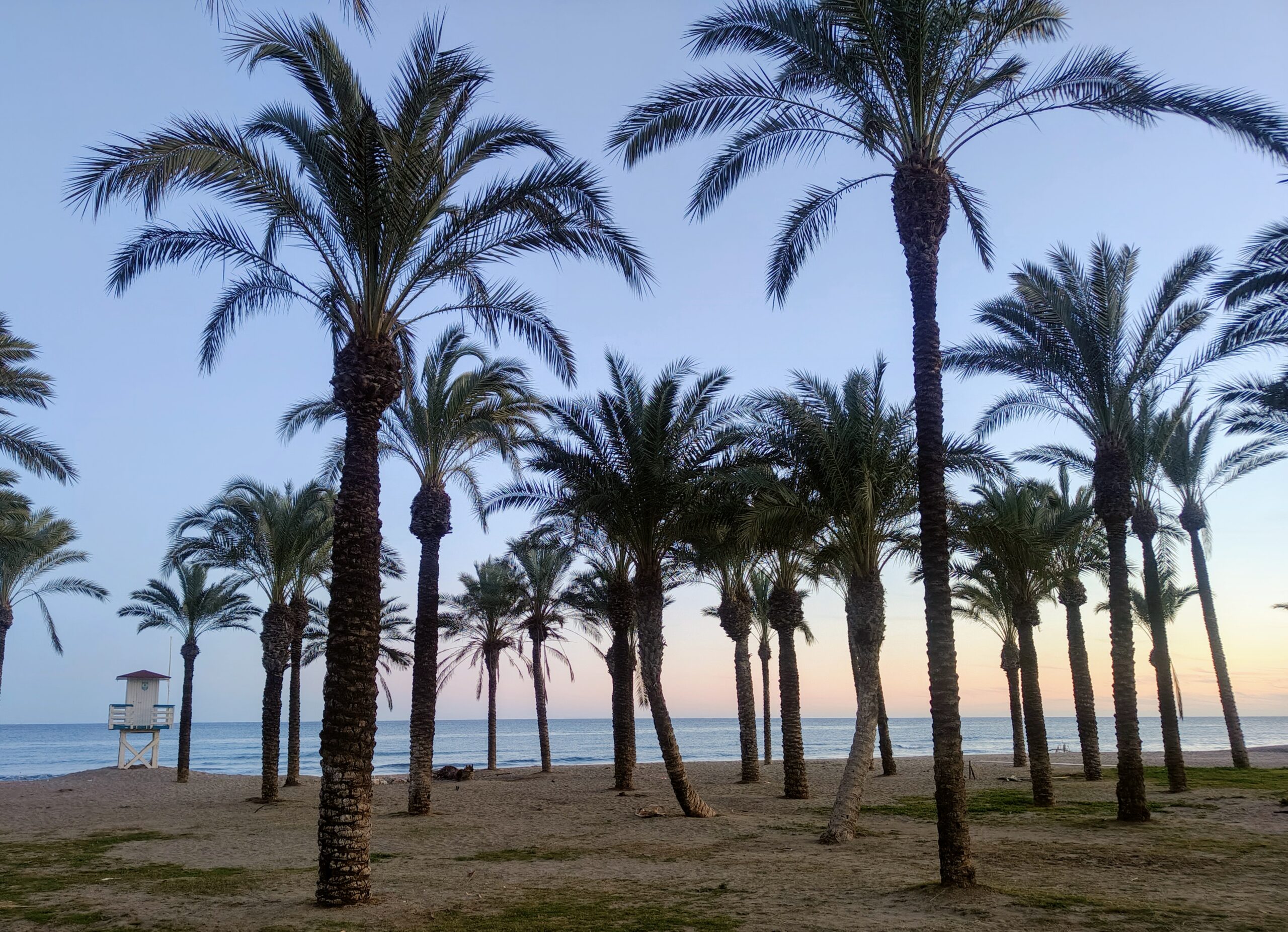
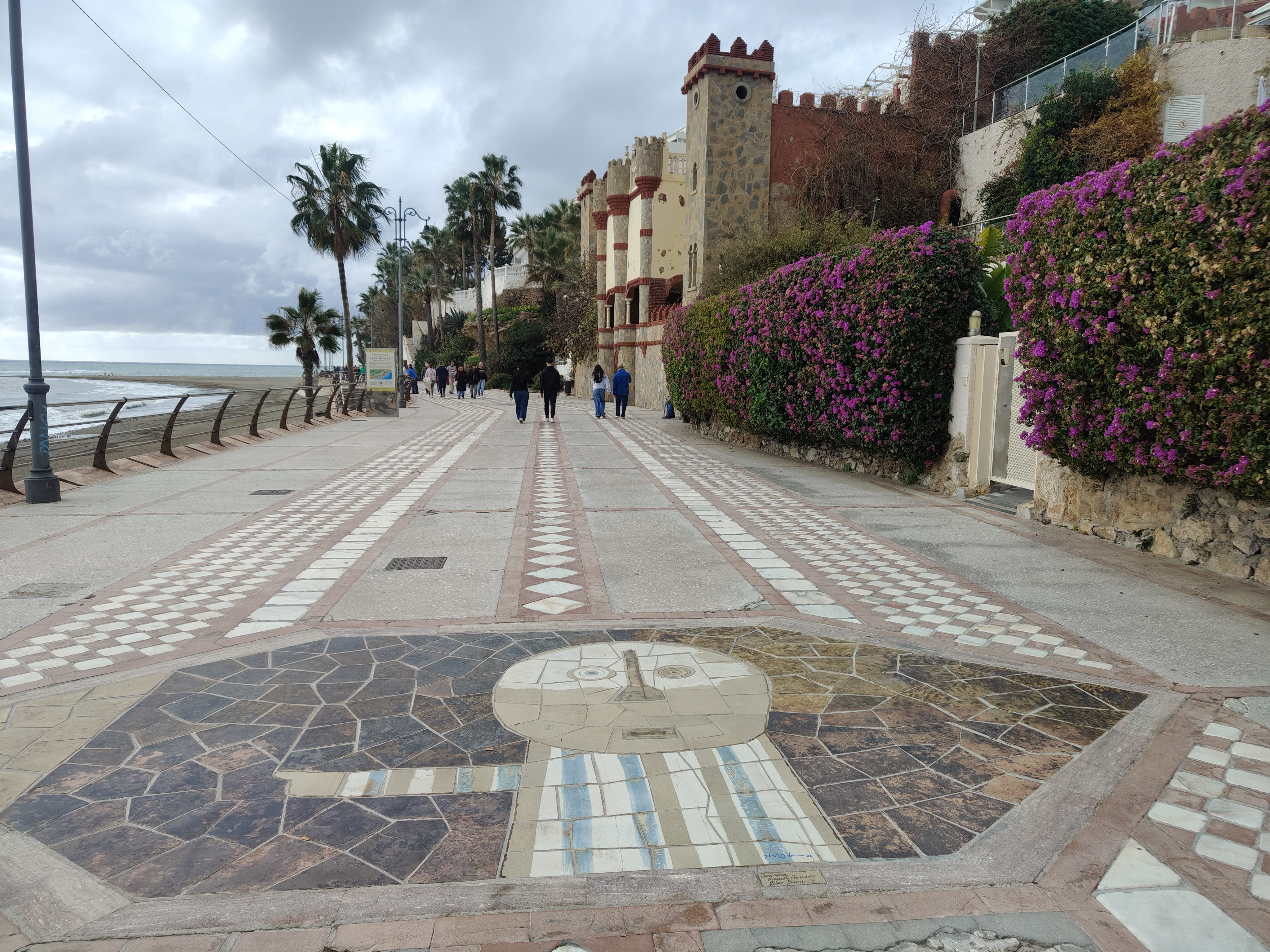
The town is densely built, but visiting in winter meant there were no crowds – it was peaceful and pleasant. I imagine that in the summer, Benalmádena comes alive with tourists filling the streets and beaches.
Malaga
We got to Málaga by public transport – a fast, convenient, and inexpensive way to explore the region.
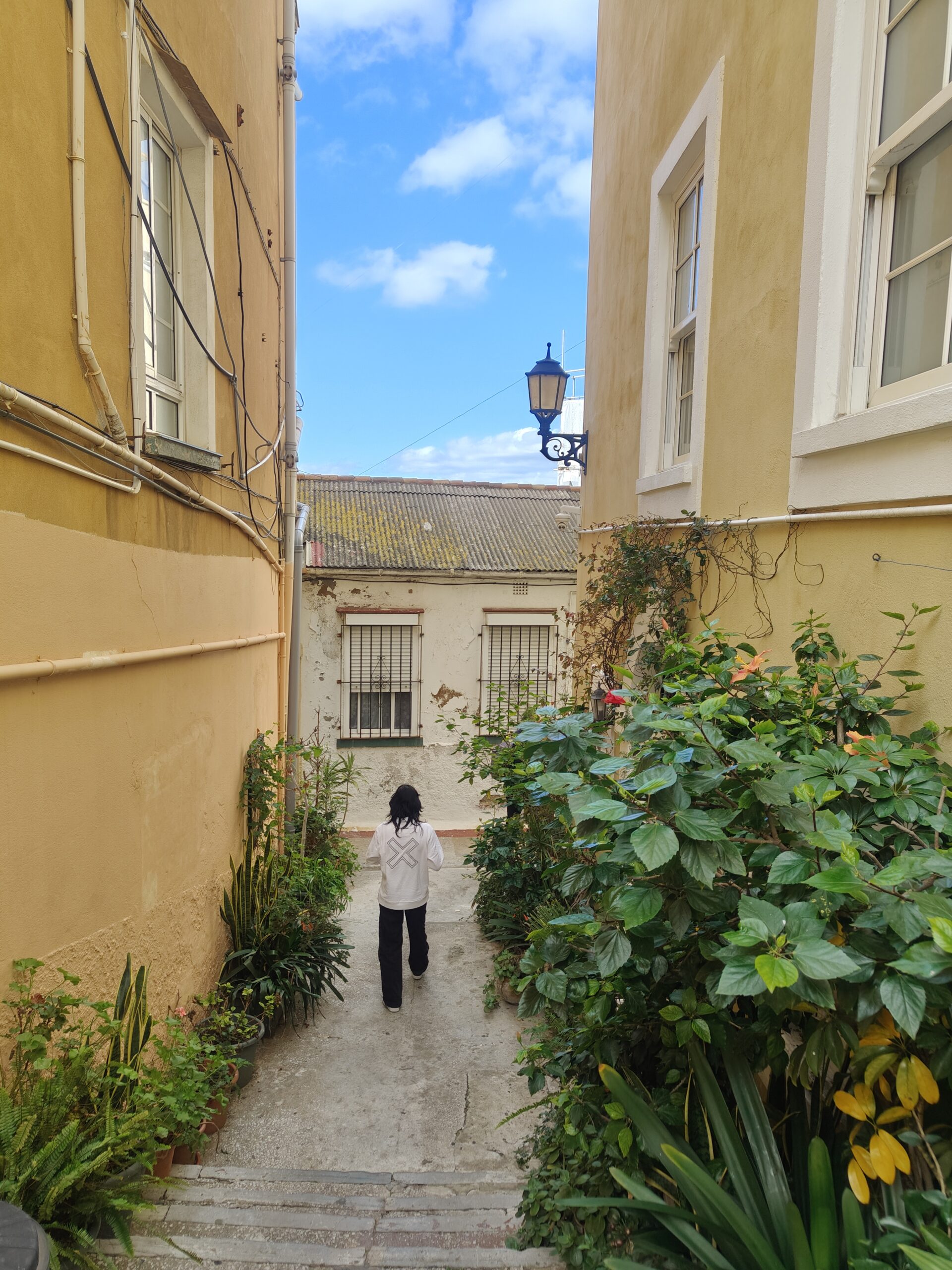
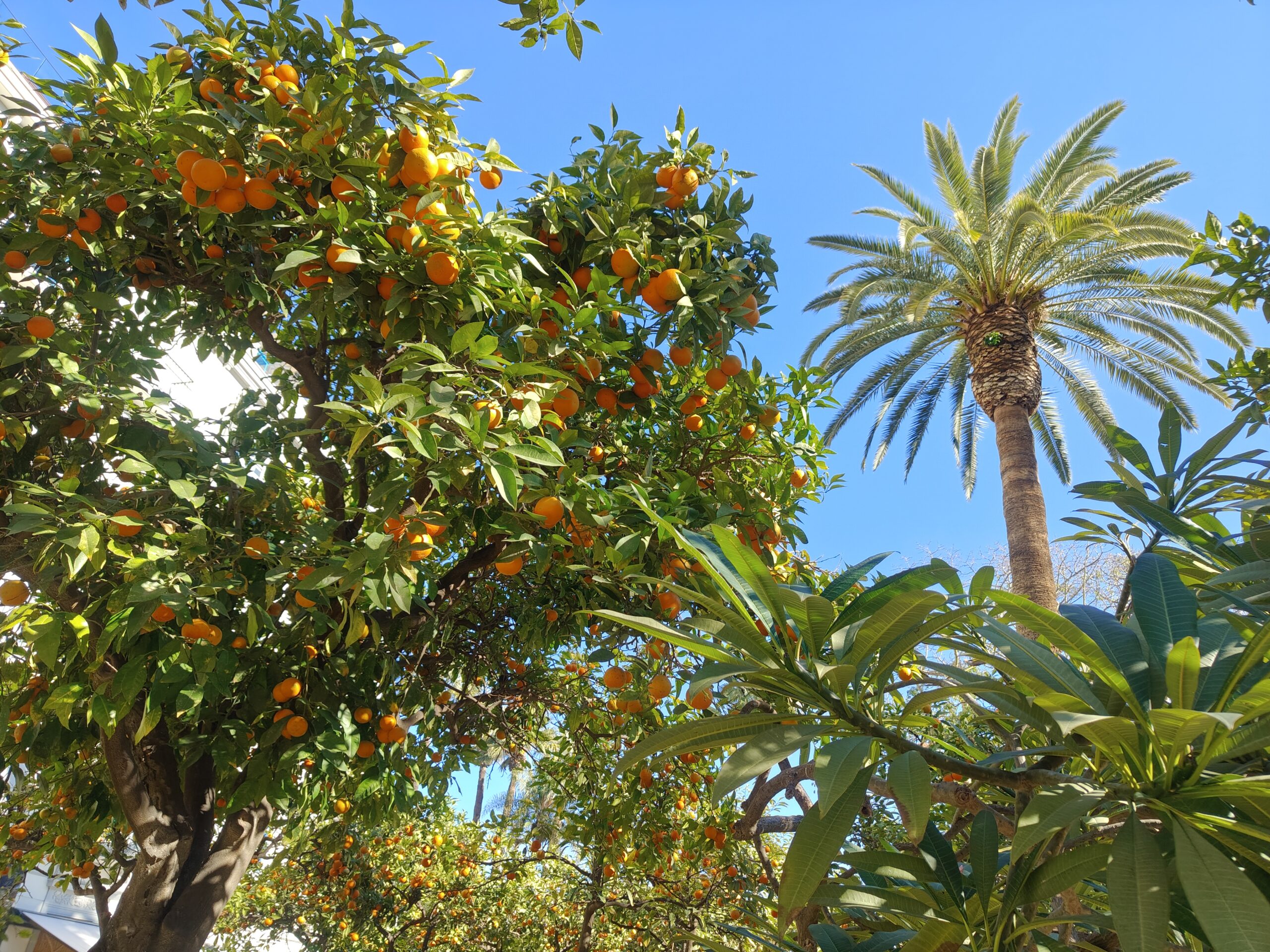
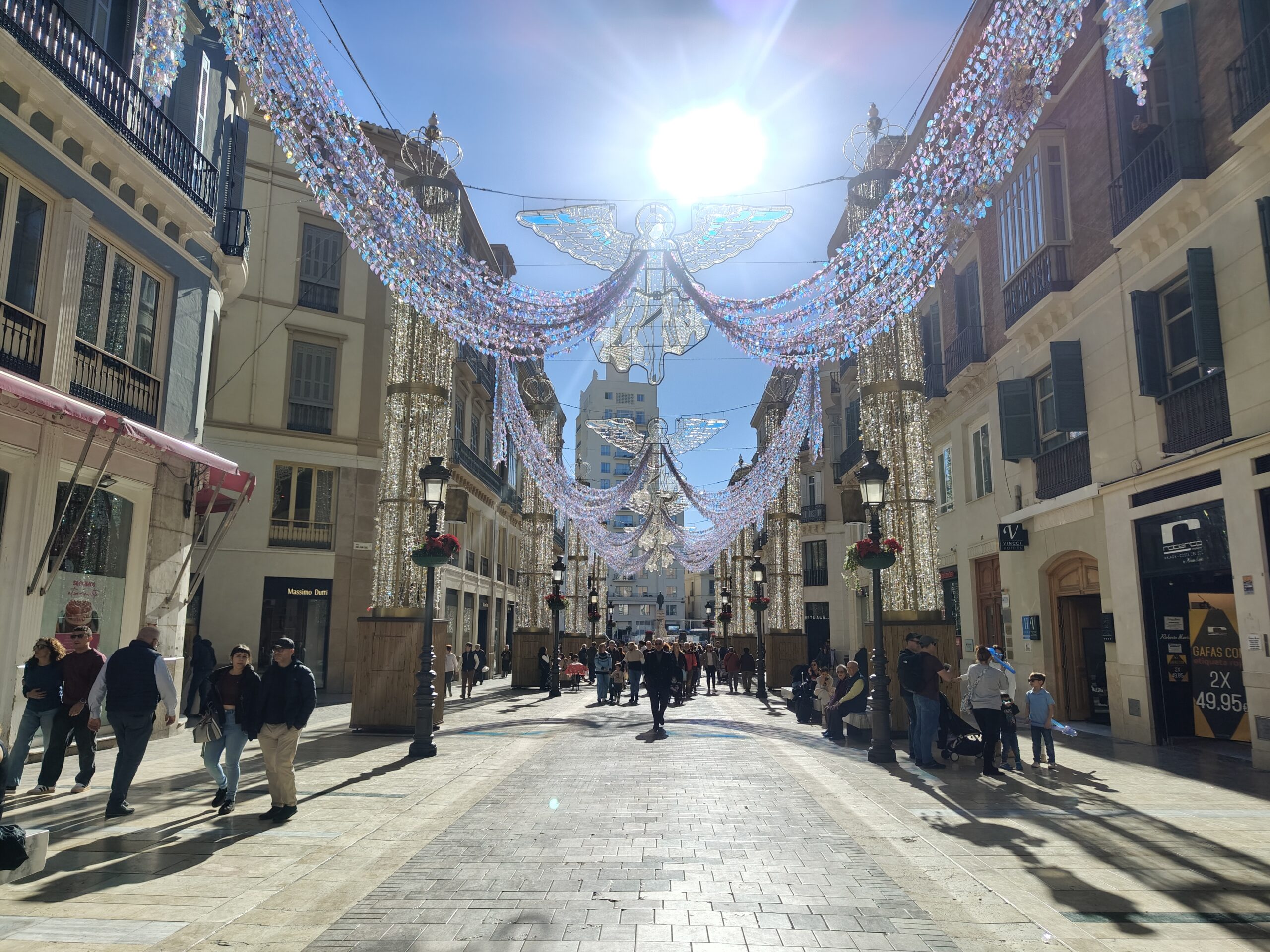

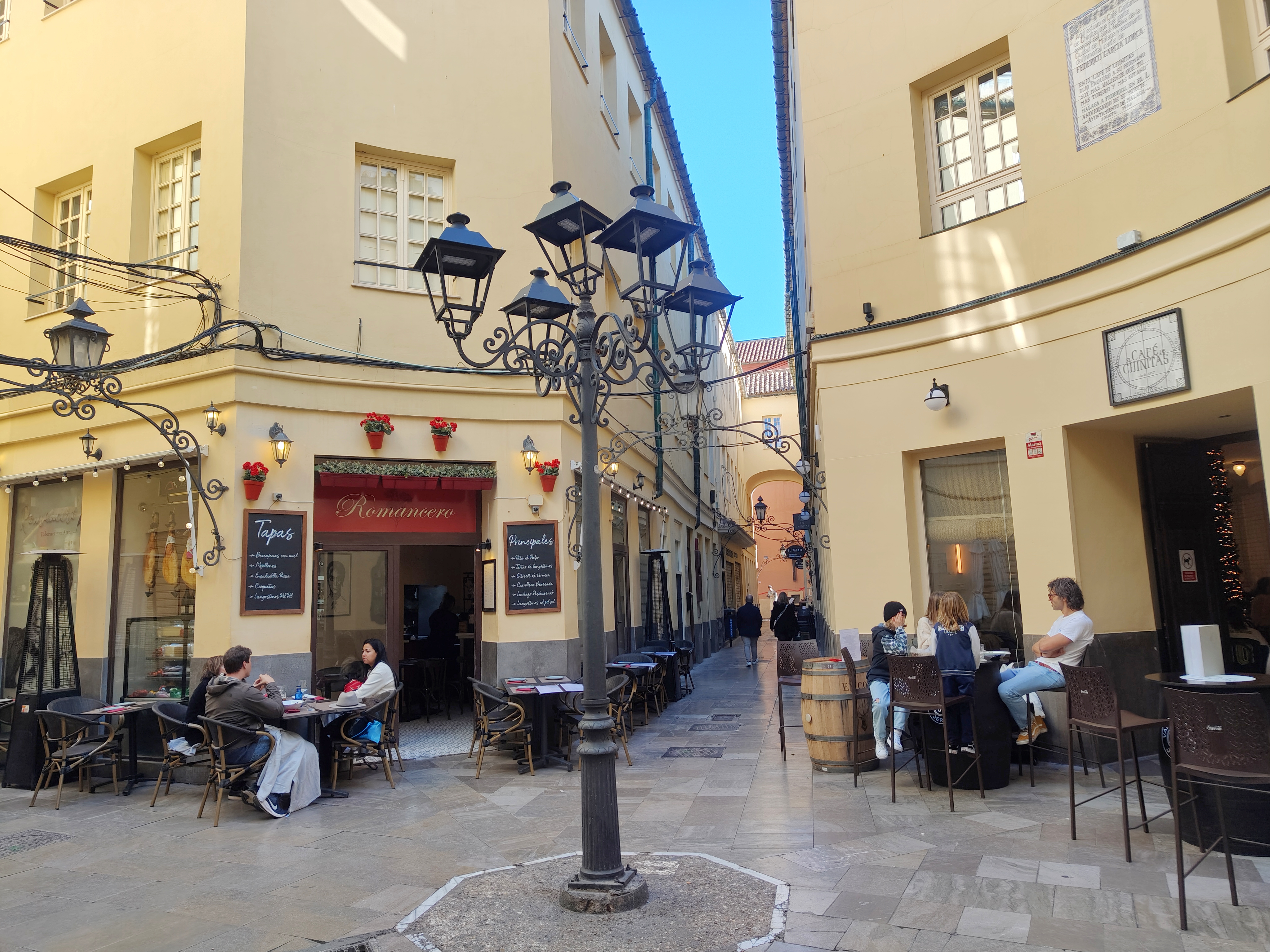

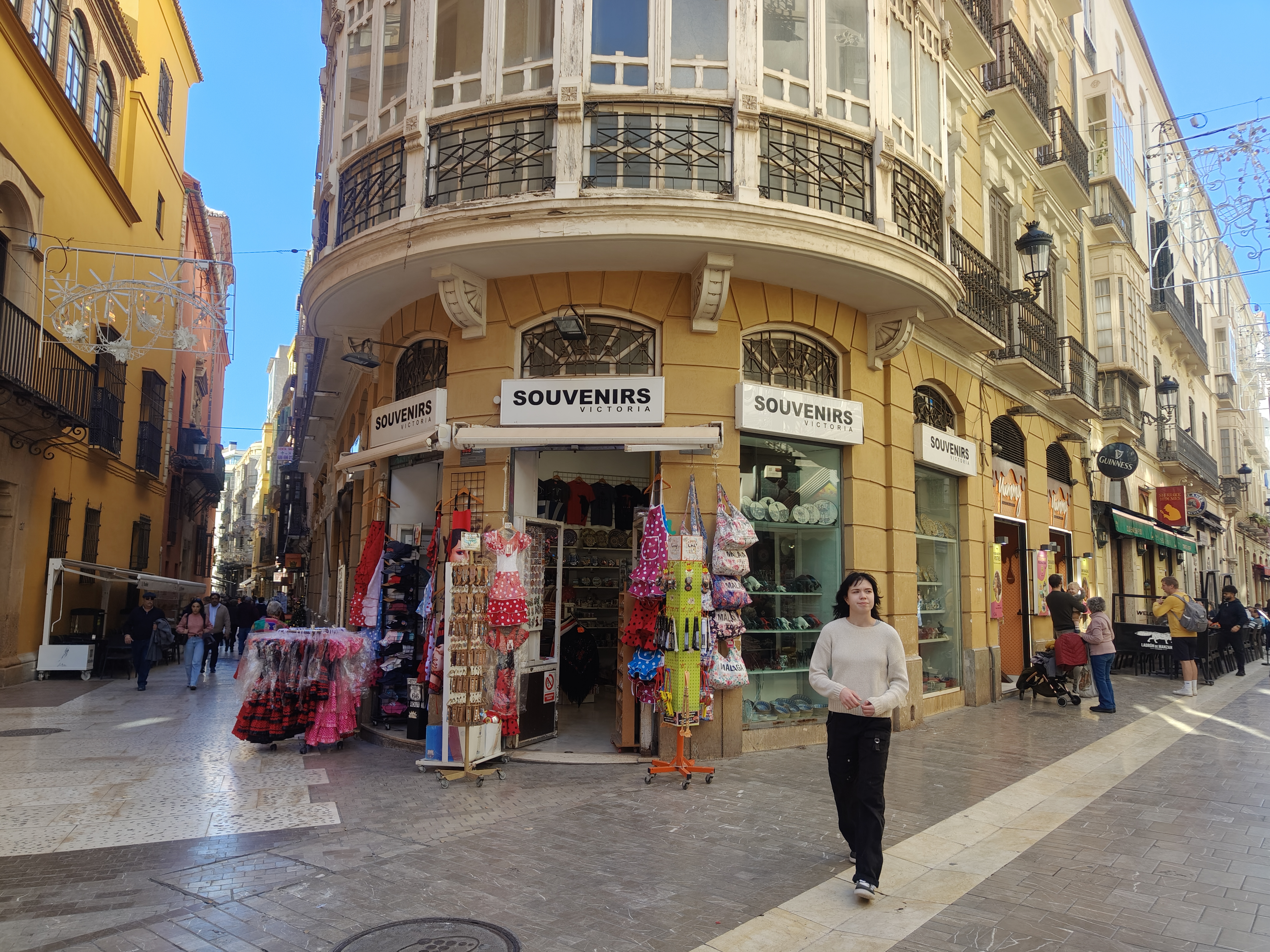
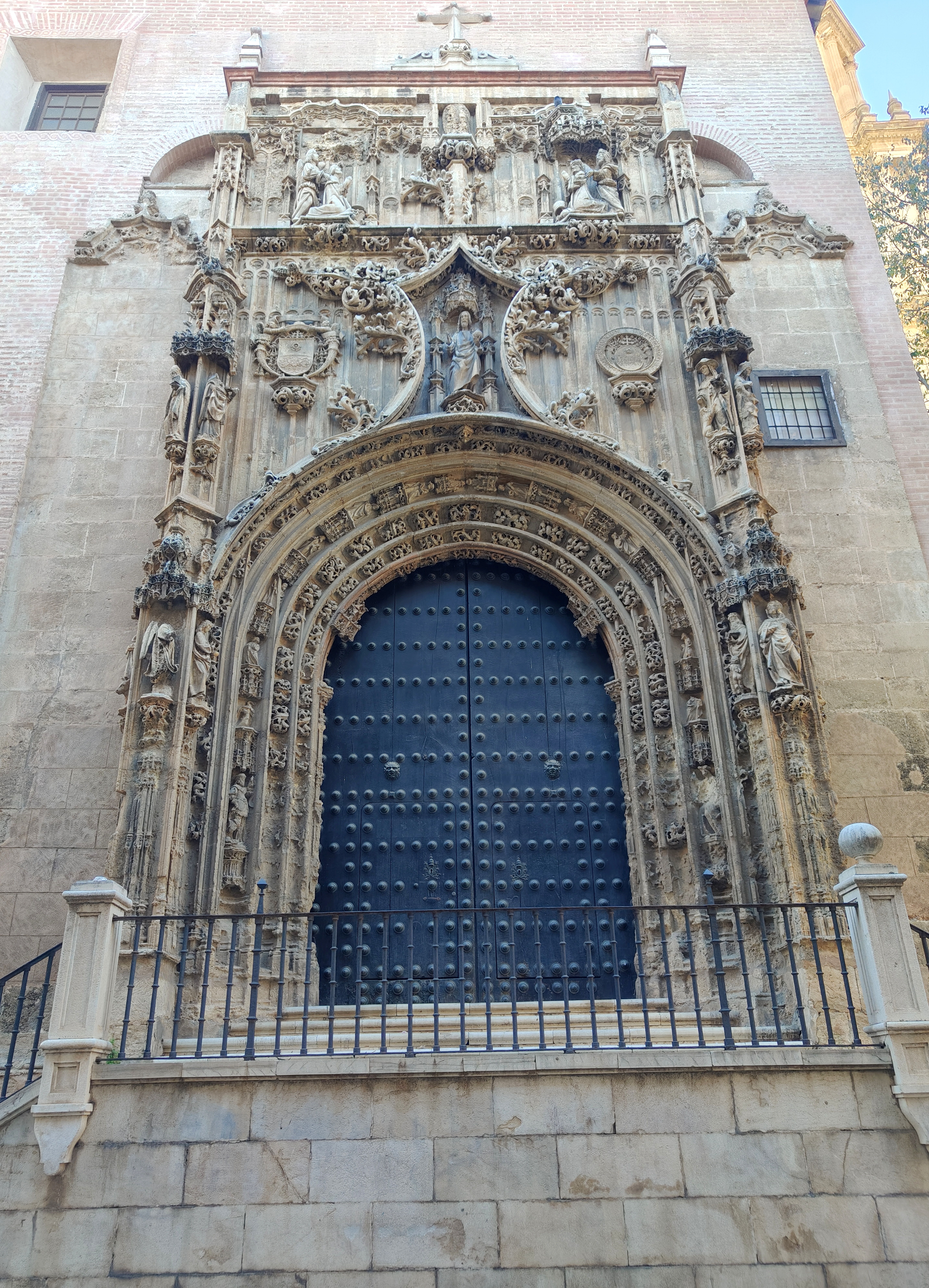

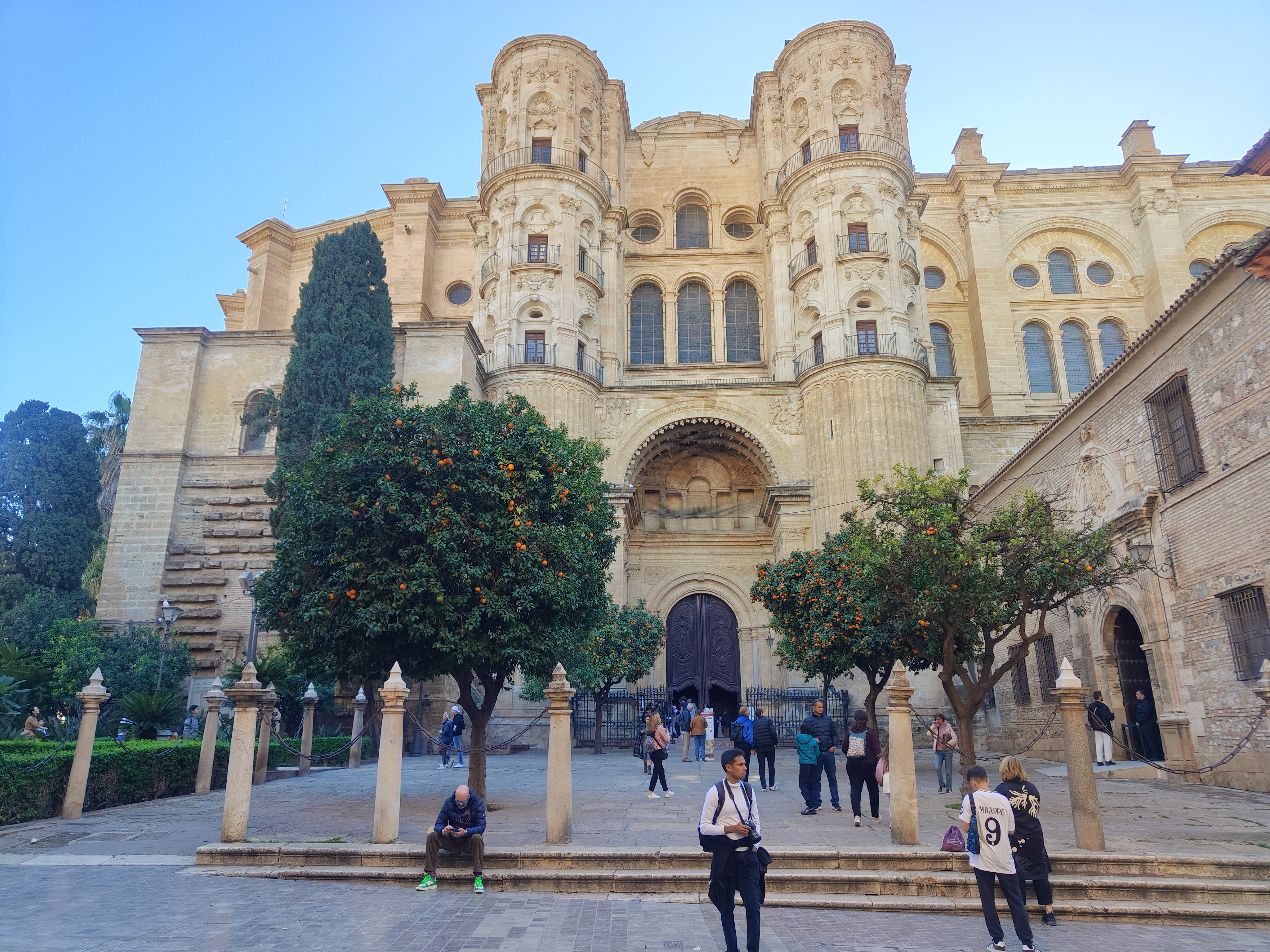

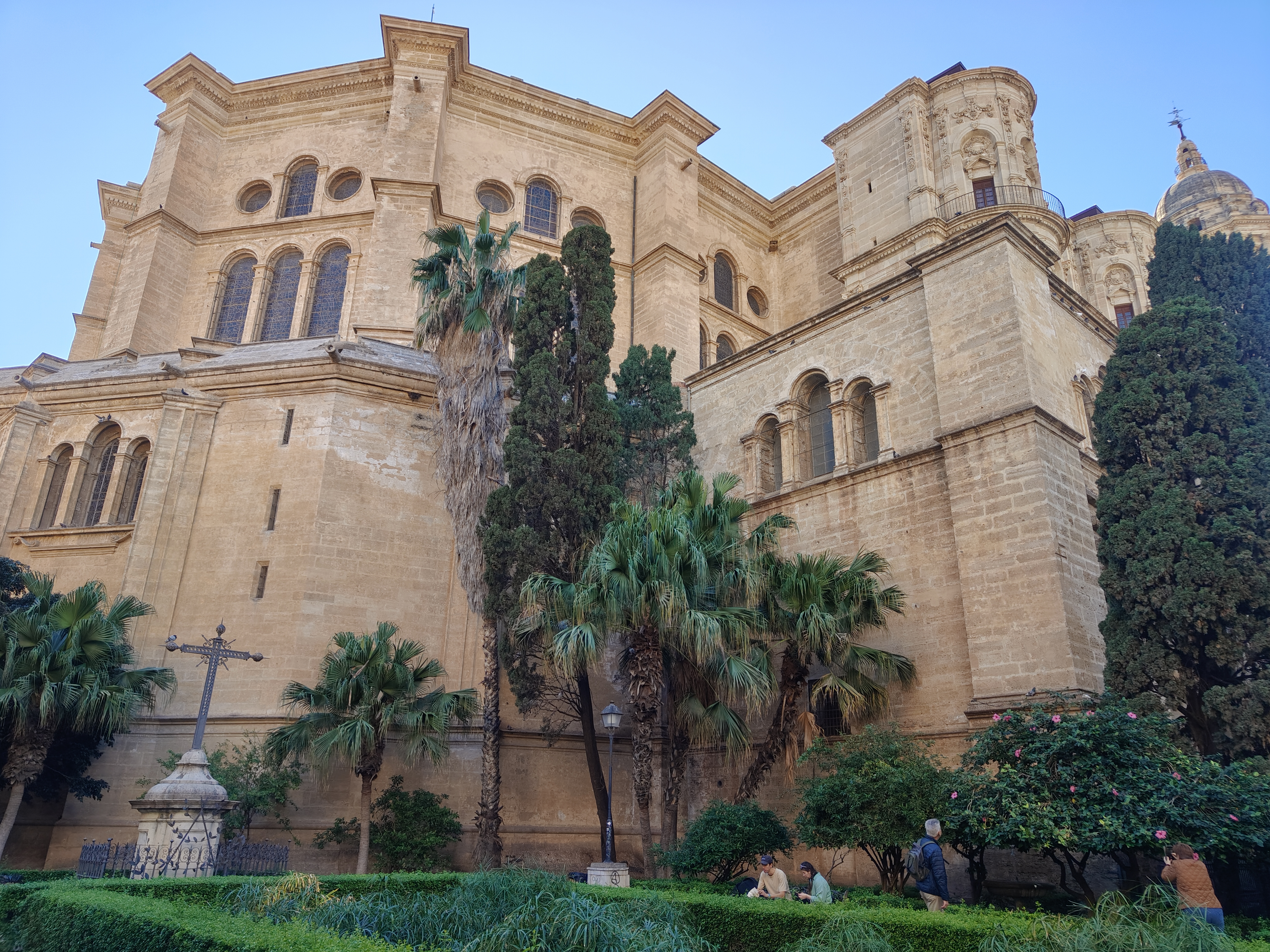

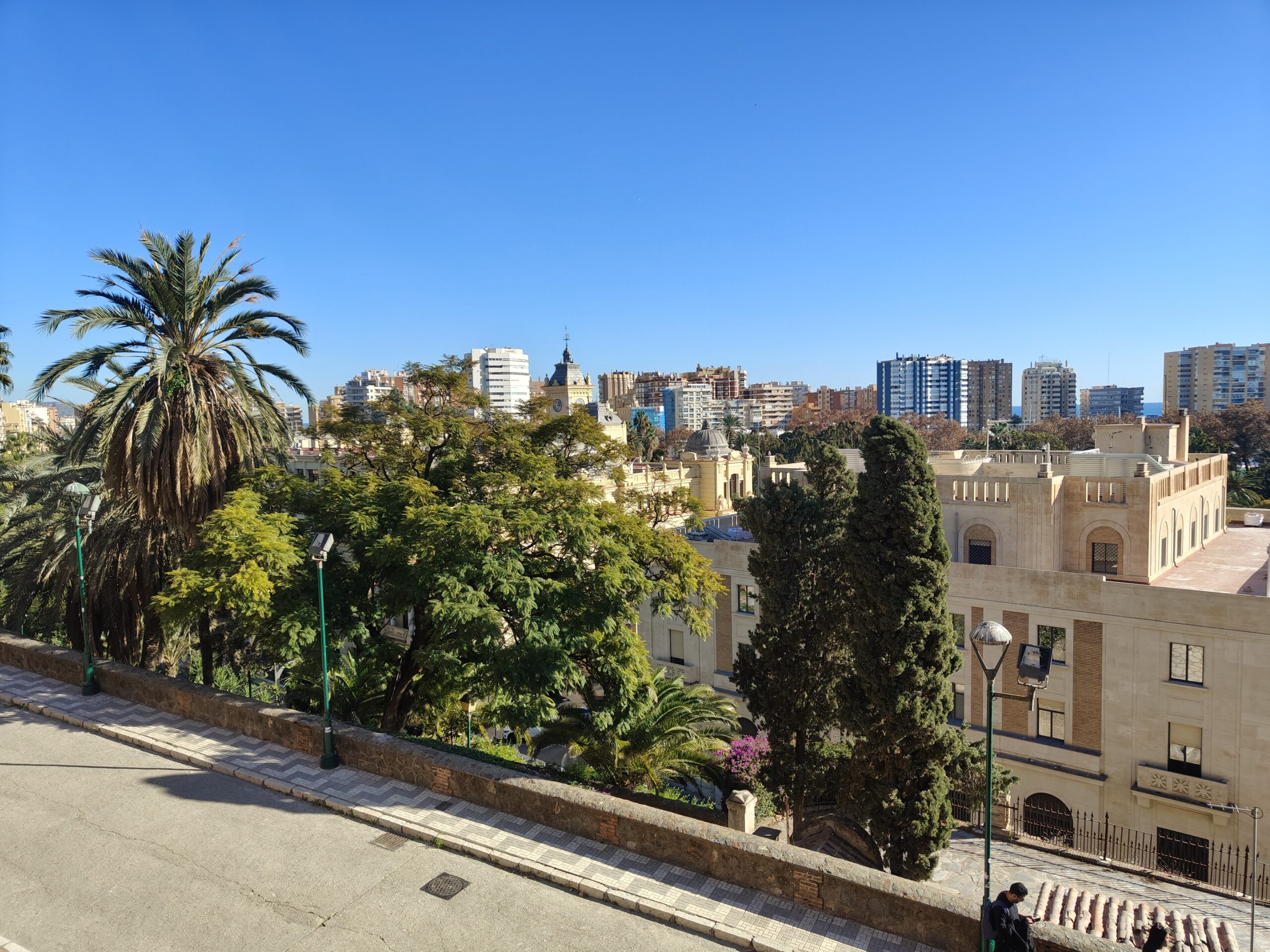
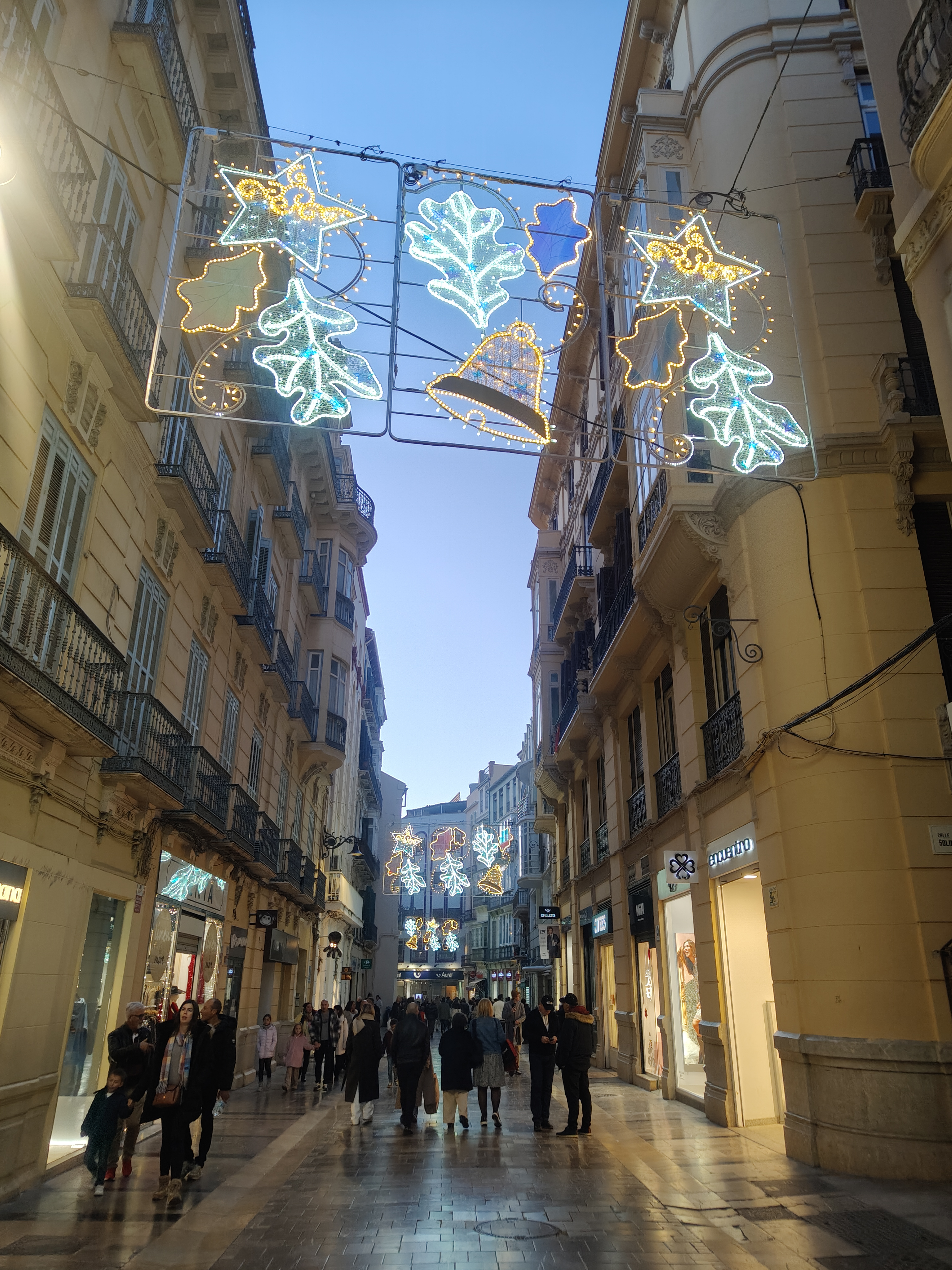

The city enchants with its beautiful architecture — it feels like a labyrinth of atmospheric streets. Colorful townhouses, murals on the walls, charming alleys, spacious squares, and wide promenades all create a unique ambiance, enhanced by tall palm trees and orange trees.

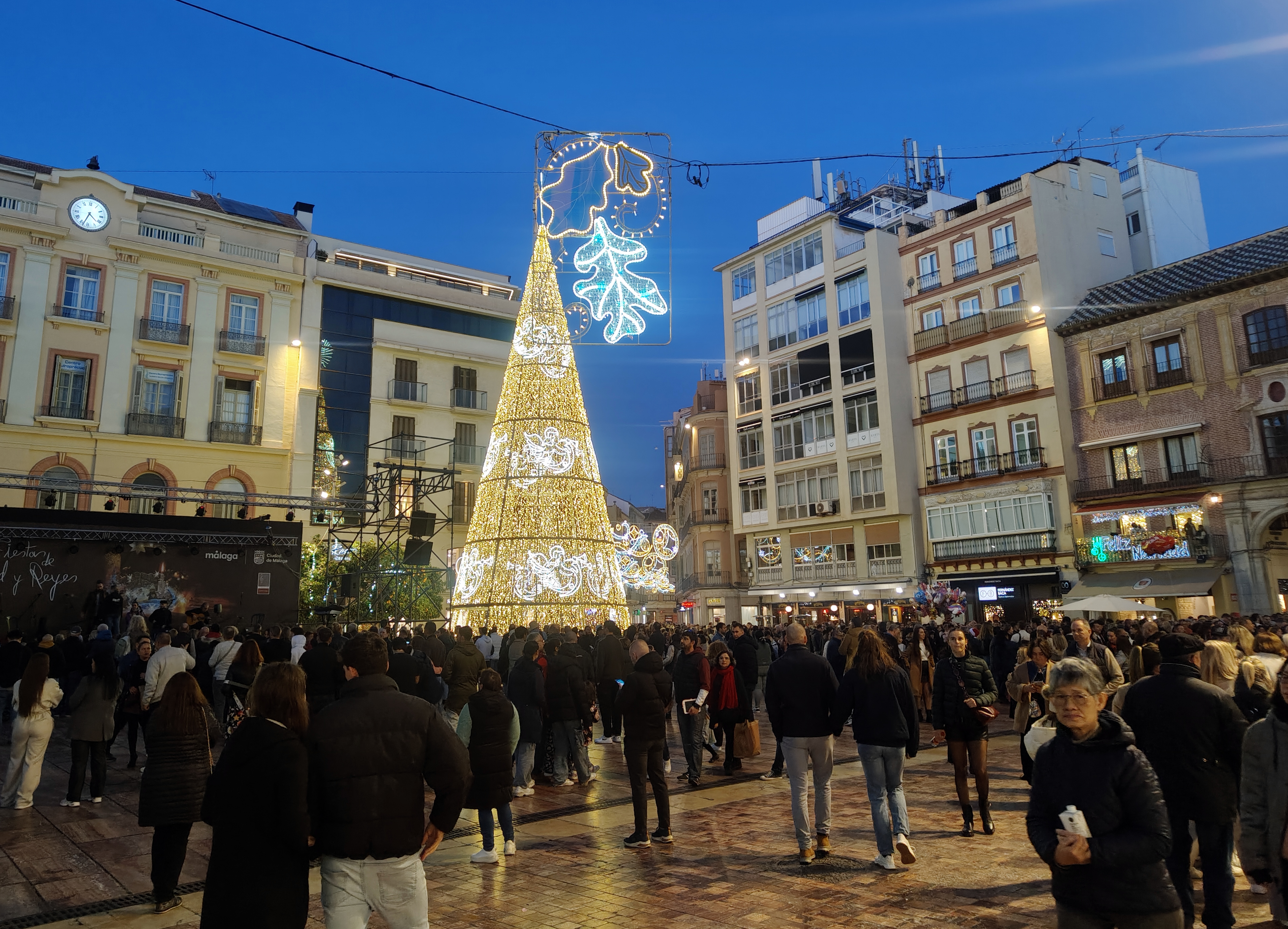
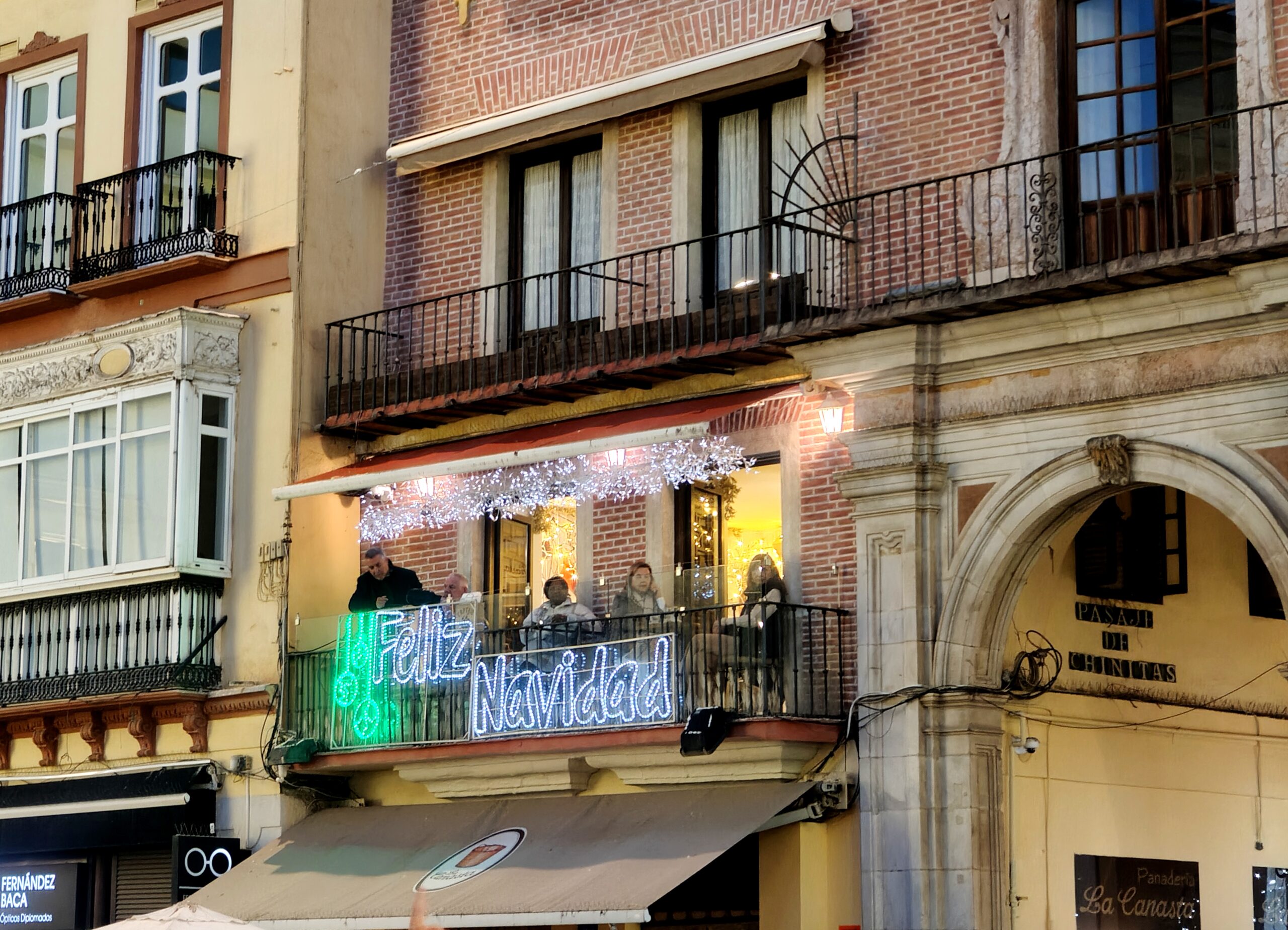
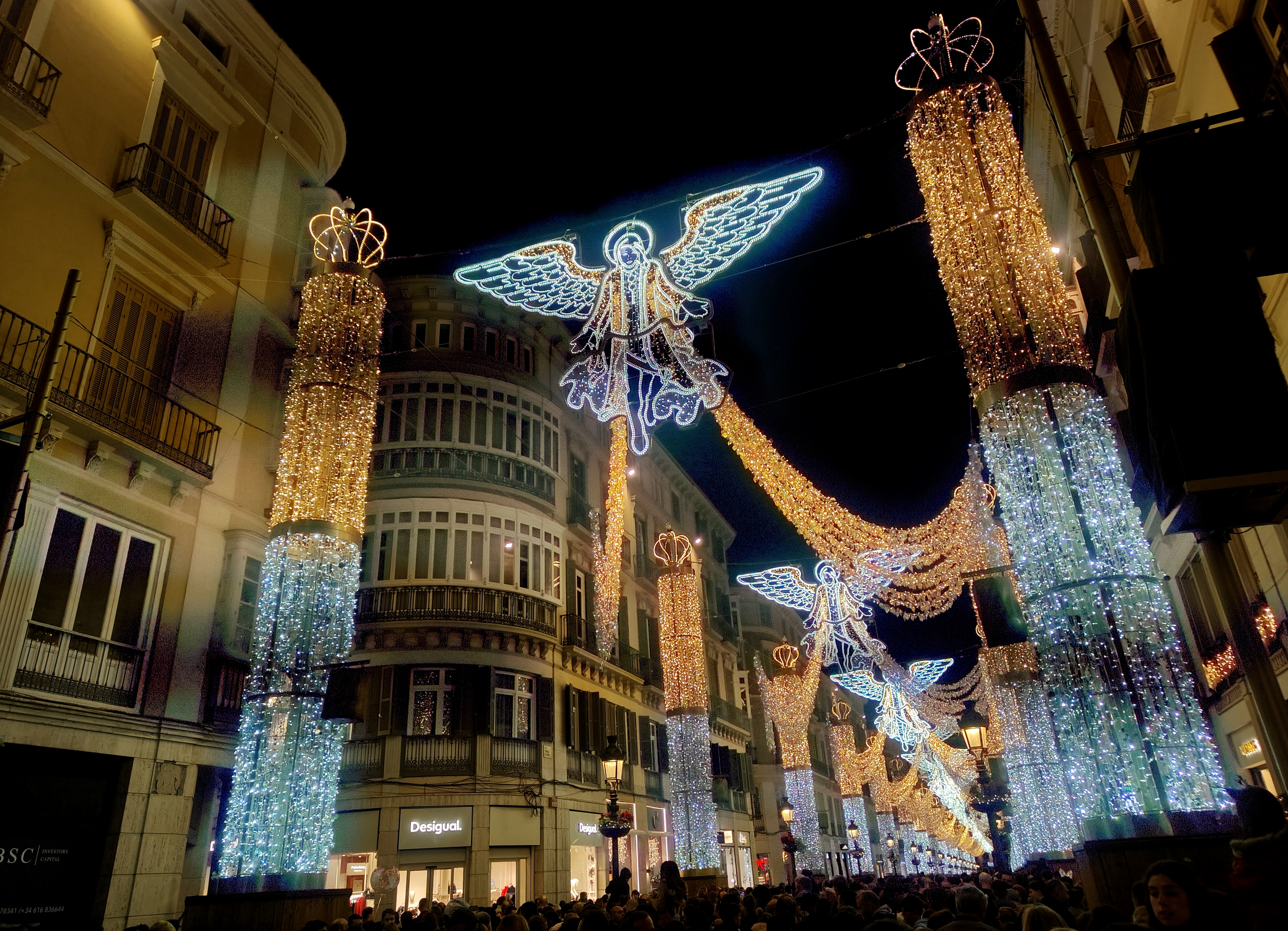
In its Christmas festive edition, it looked even more magical — in the evening, we attended a light and music show that left us with unforgettable impressions.
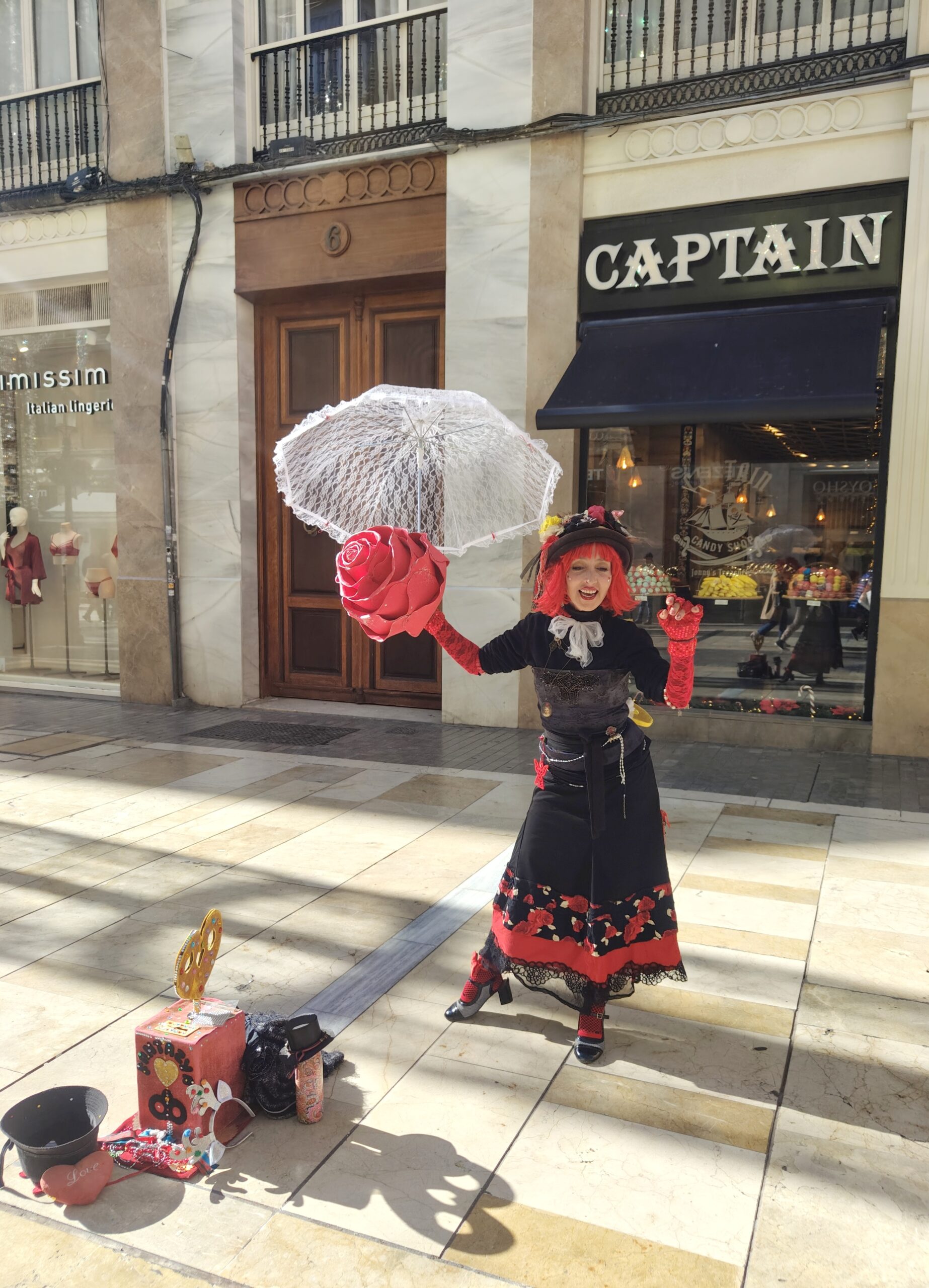
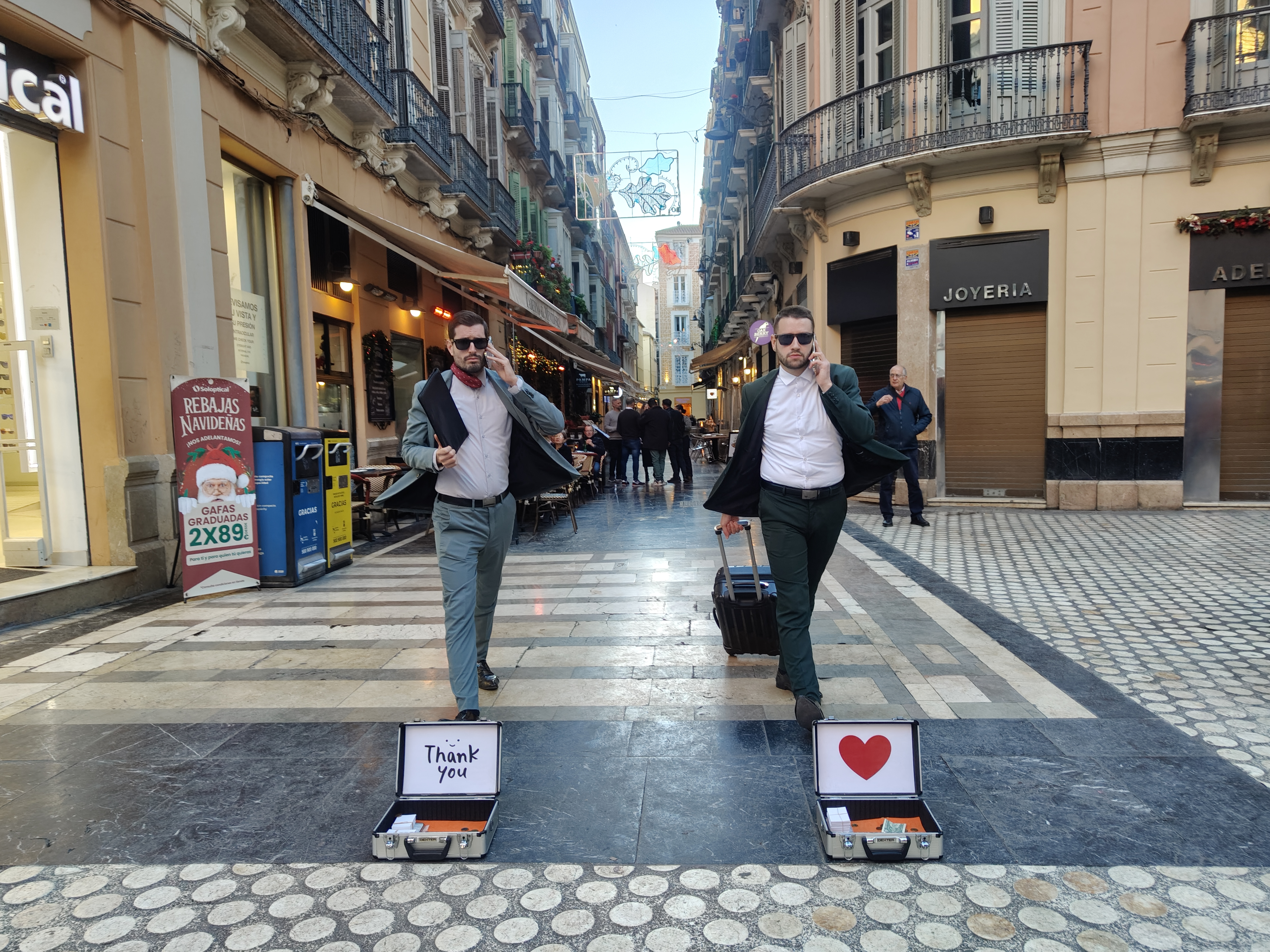
There’s a generally joyful atmosphere in the city, and along the main promenade, you can often come across mime artists performing for passersby — adding even more charm to the lively scene.


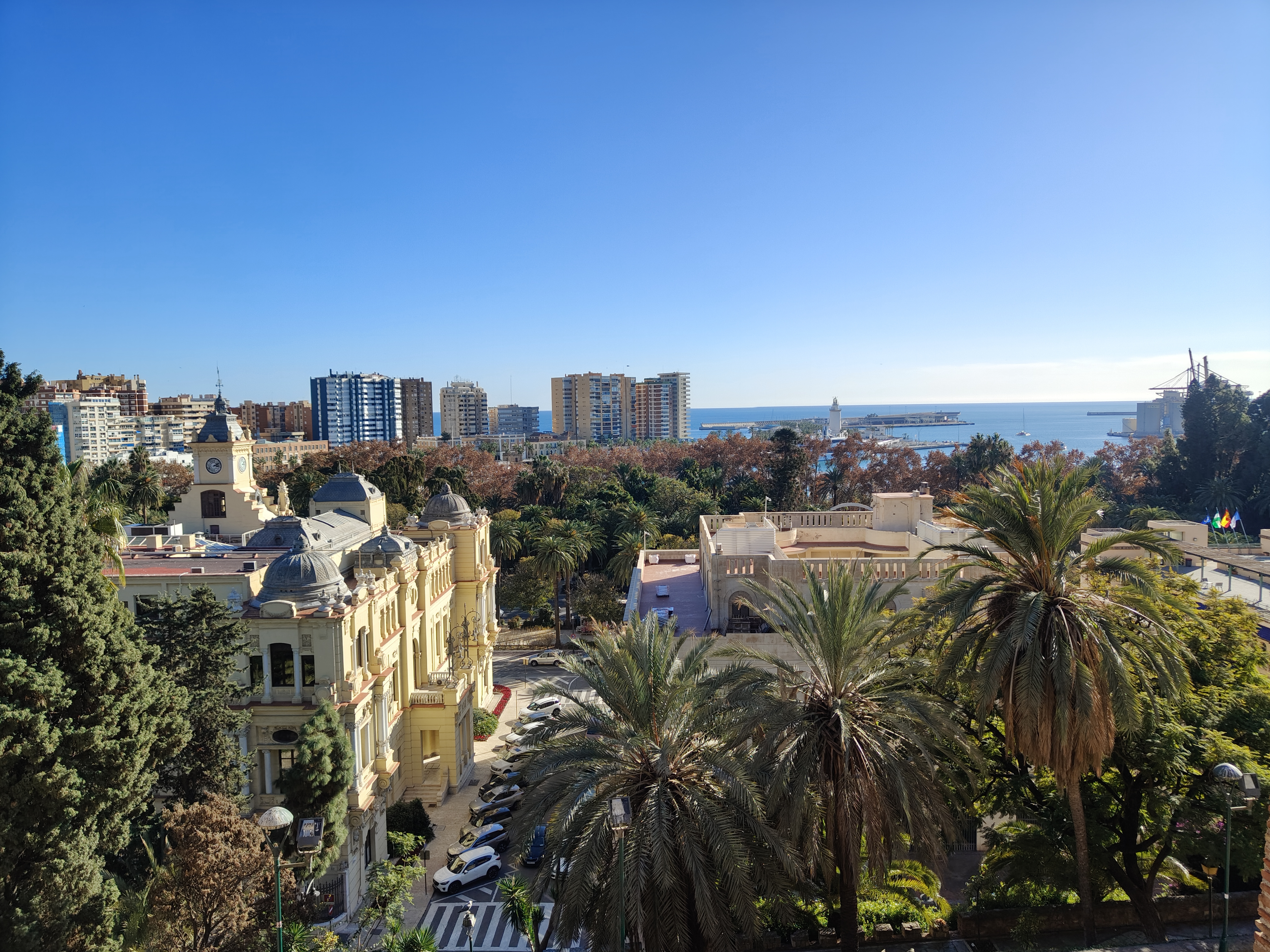
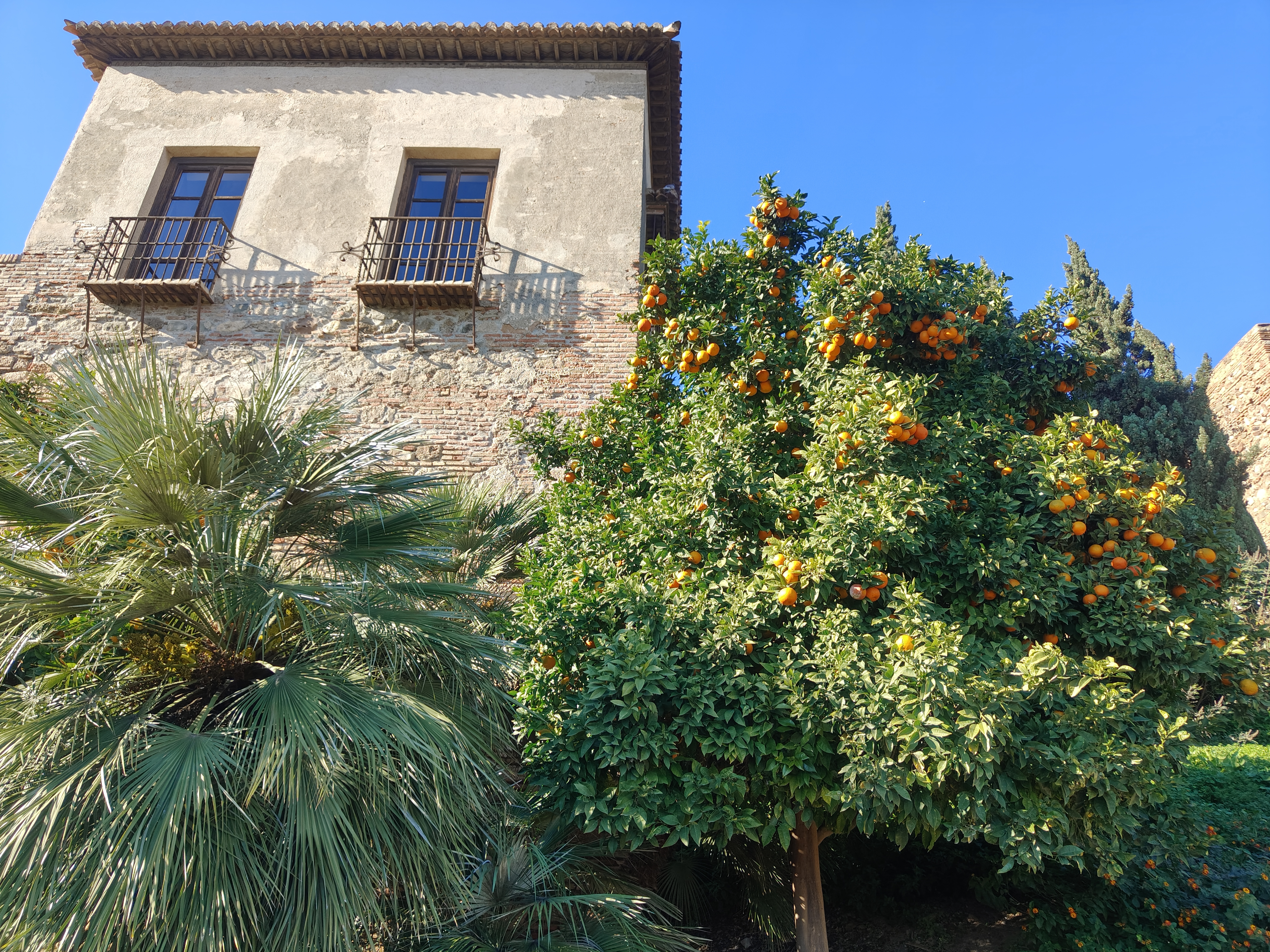


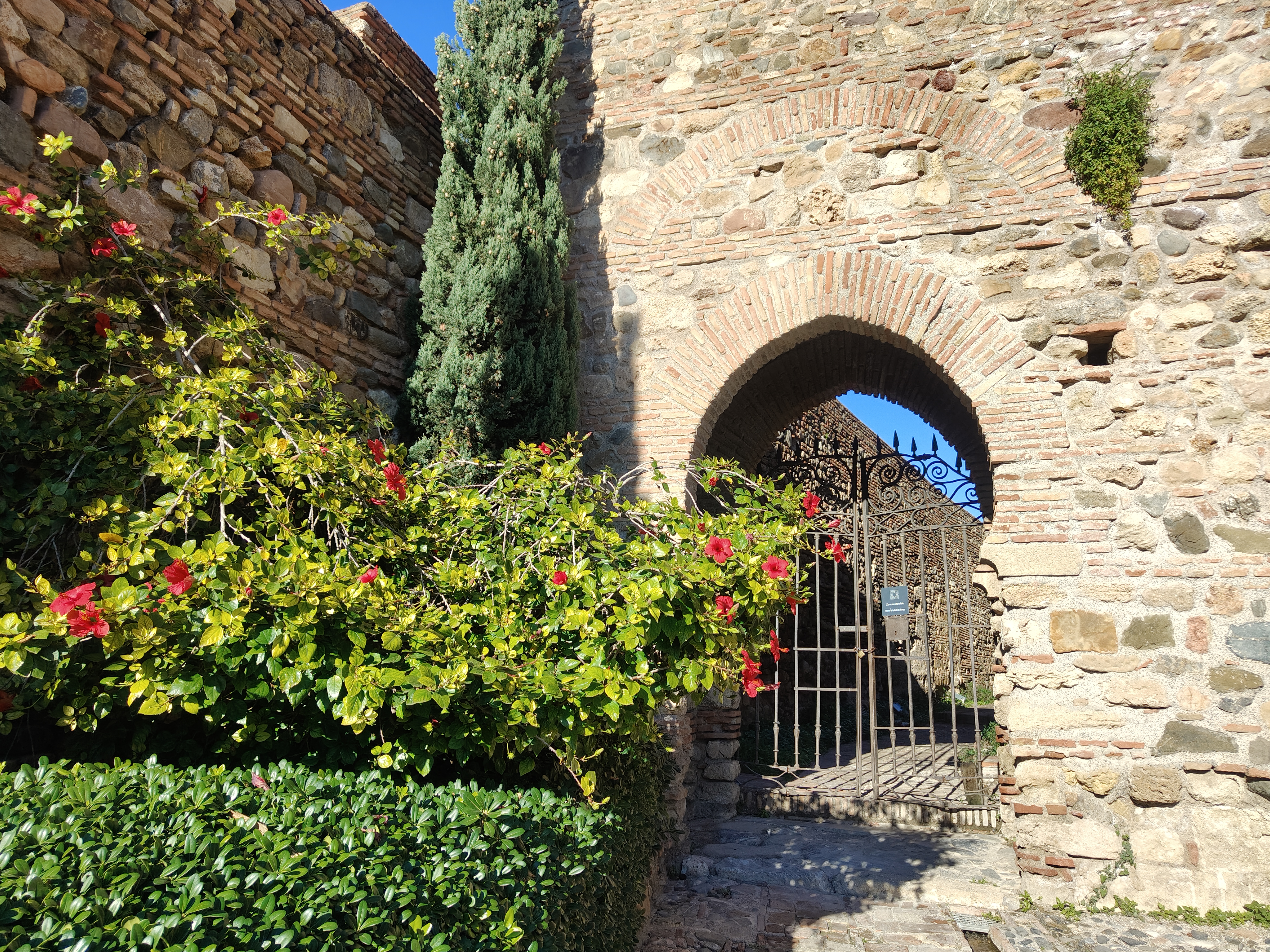
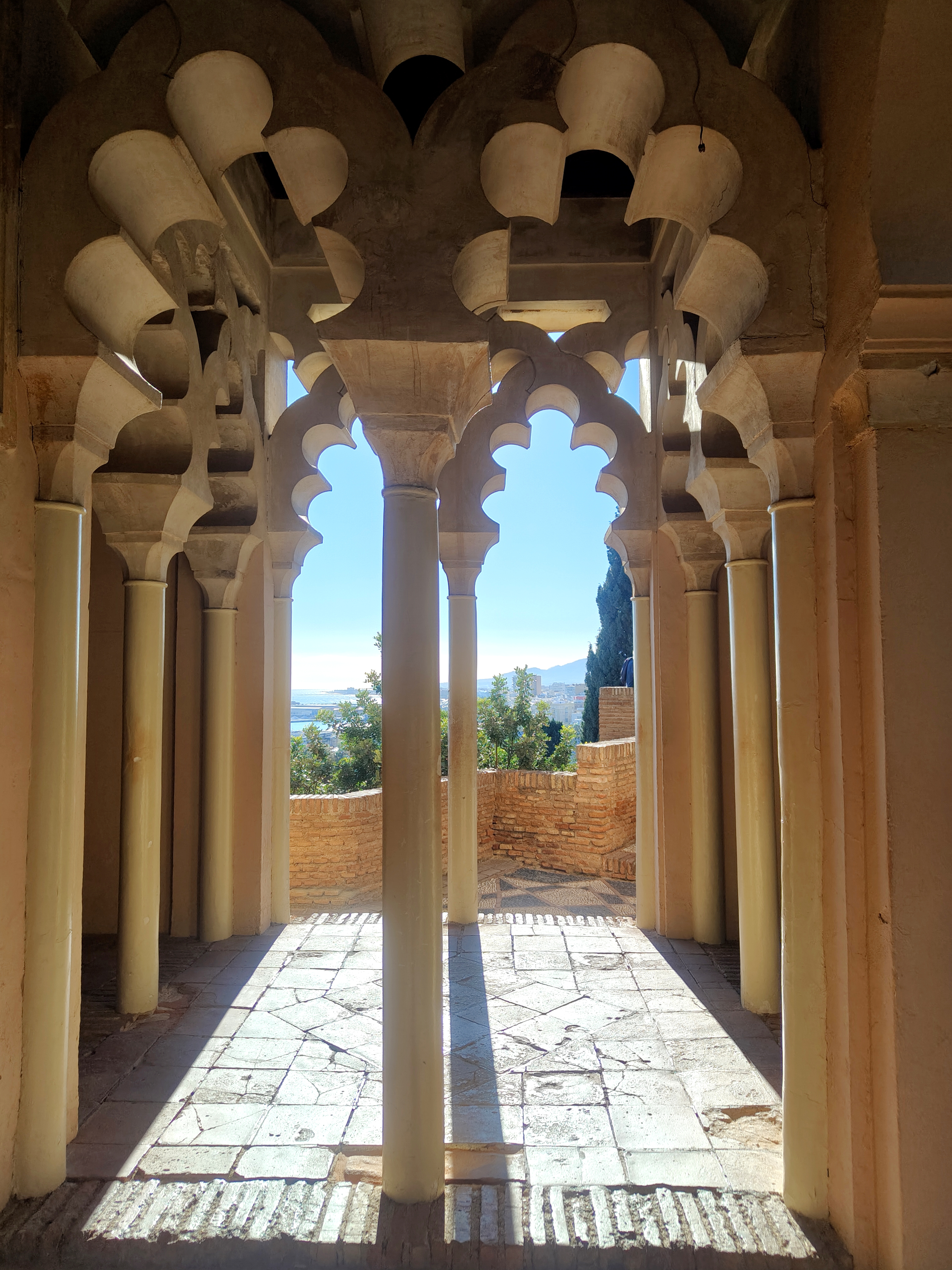
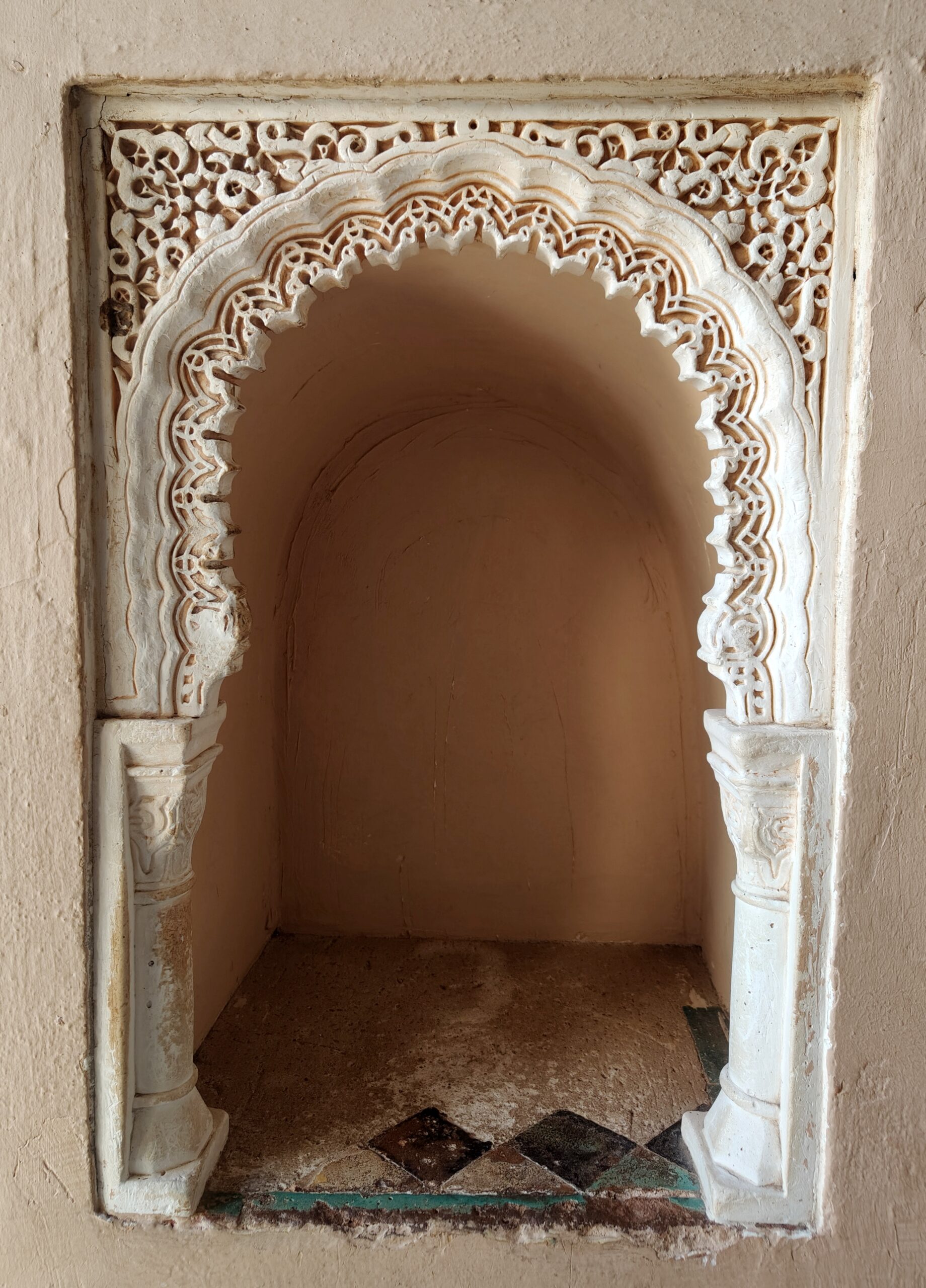
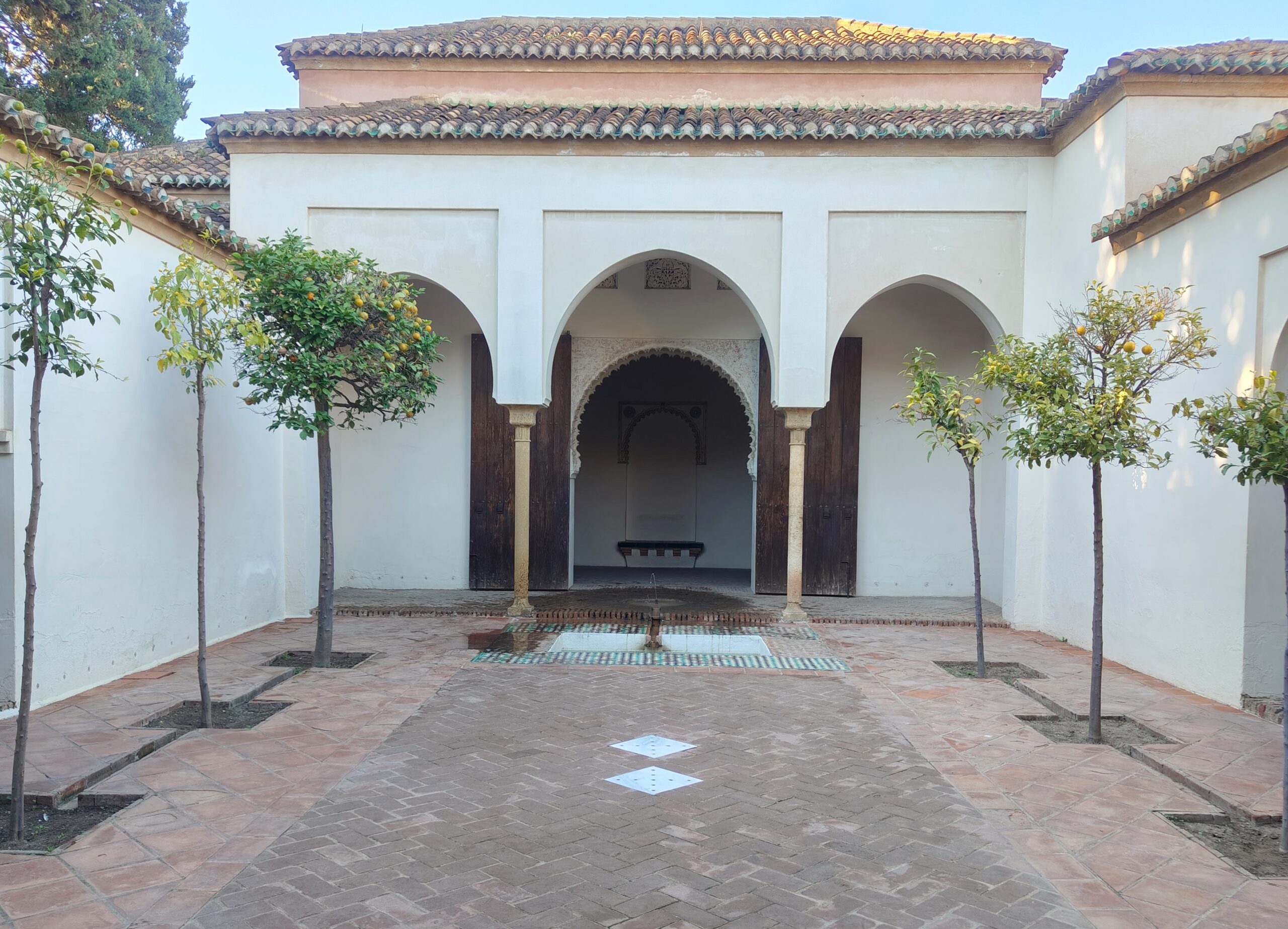
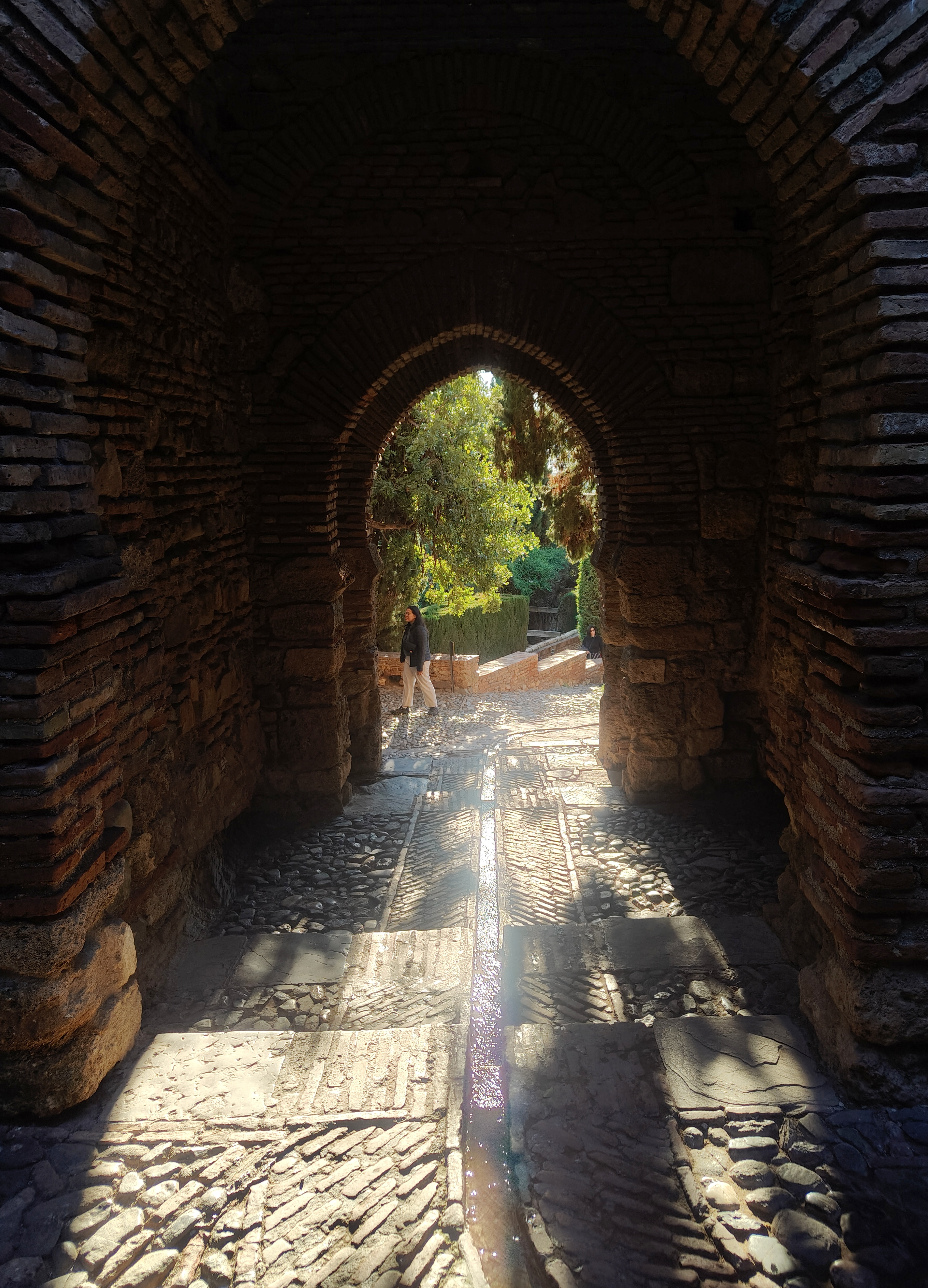
During our stay in Málaga, we visited the Alcazaba — an impressive palace-fortress complex nestled on the slopes of Mount Gibralfaro. Once built to protect the city from pirate attacks, it later served as a residence for Moorish and then Catholic rulers. The visit offered not only a glimpse into history but also stunning views, enhanced by the warm December sun.
From the fortress, it’s worth taking a walk up to Gibralfaro Castle, built in the 14th century. Once a military stronghold and a guiding lighthouse for sailors, today it draws visitors with its breathtaking panorama over the city. Walking along its narrow walls is an unforgettable experience — Málaga truly unfolds at your feet.
We’ll definitely return, as many places were closed due to the holiday season, and there’s still so much more to discover.
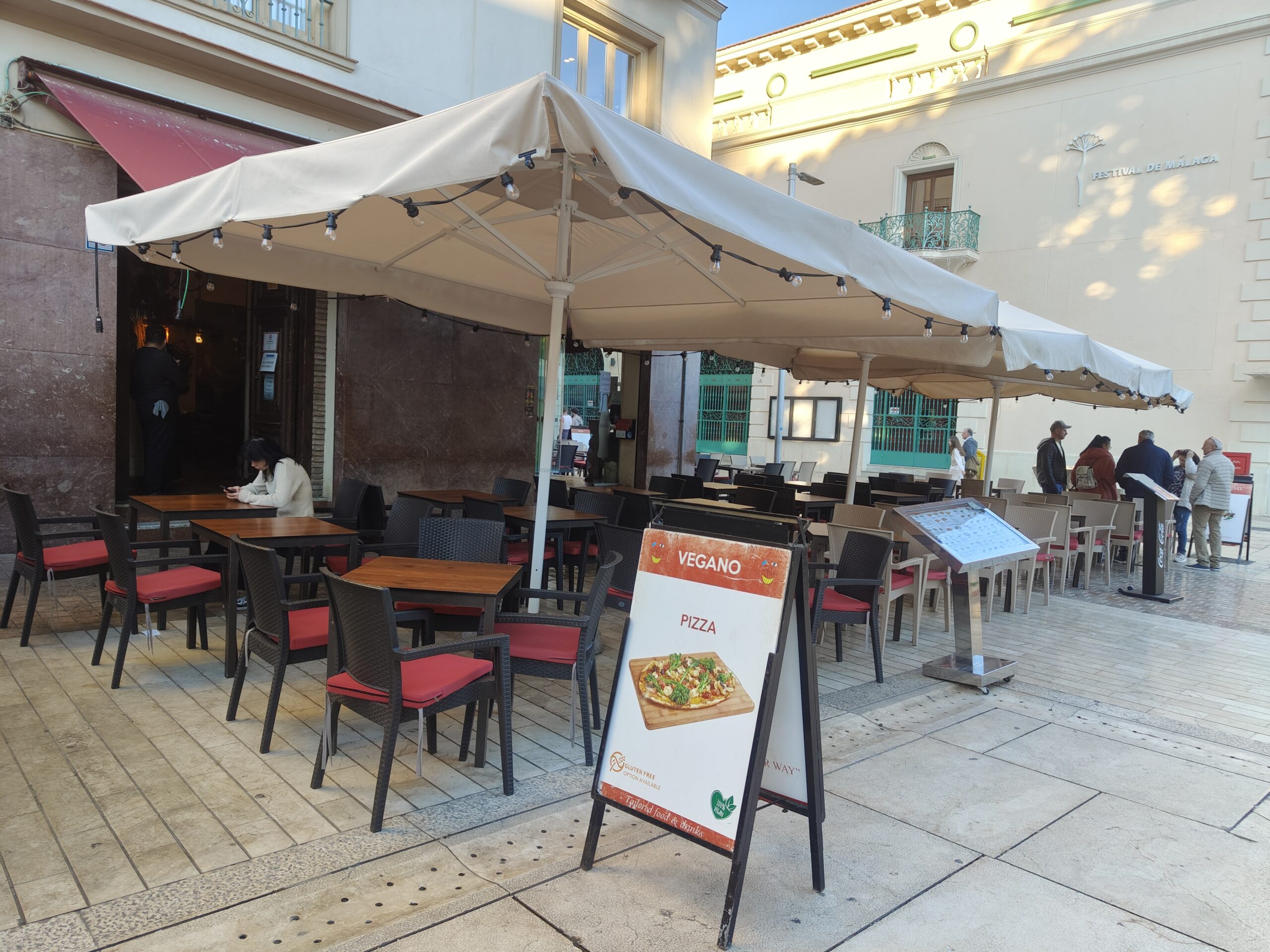
In Málaga, we got a takeaway pizza from a spot on Calle Alcazabilla. It was quite good, and fortunately, we had no signs of any food issues afterward. If you have celiac disease, I recommend letting the staff know in advance.



Mijas Pueblo – The White Village of Andalusia
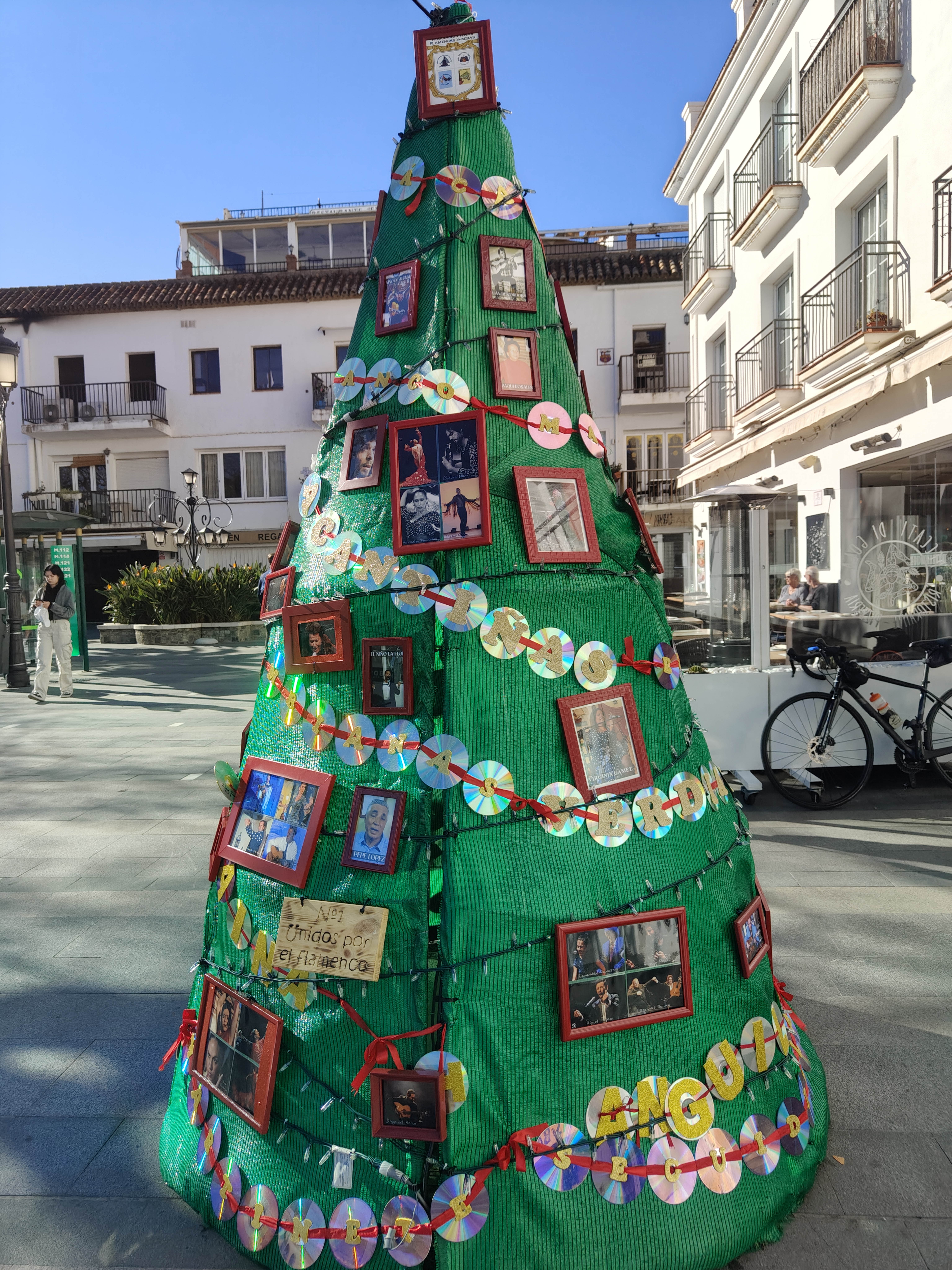


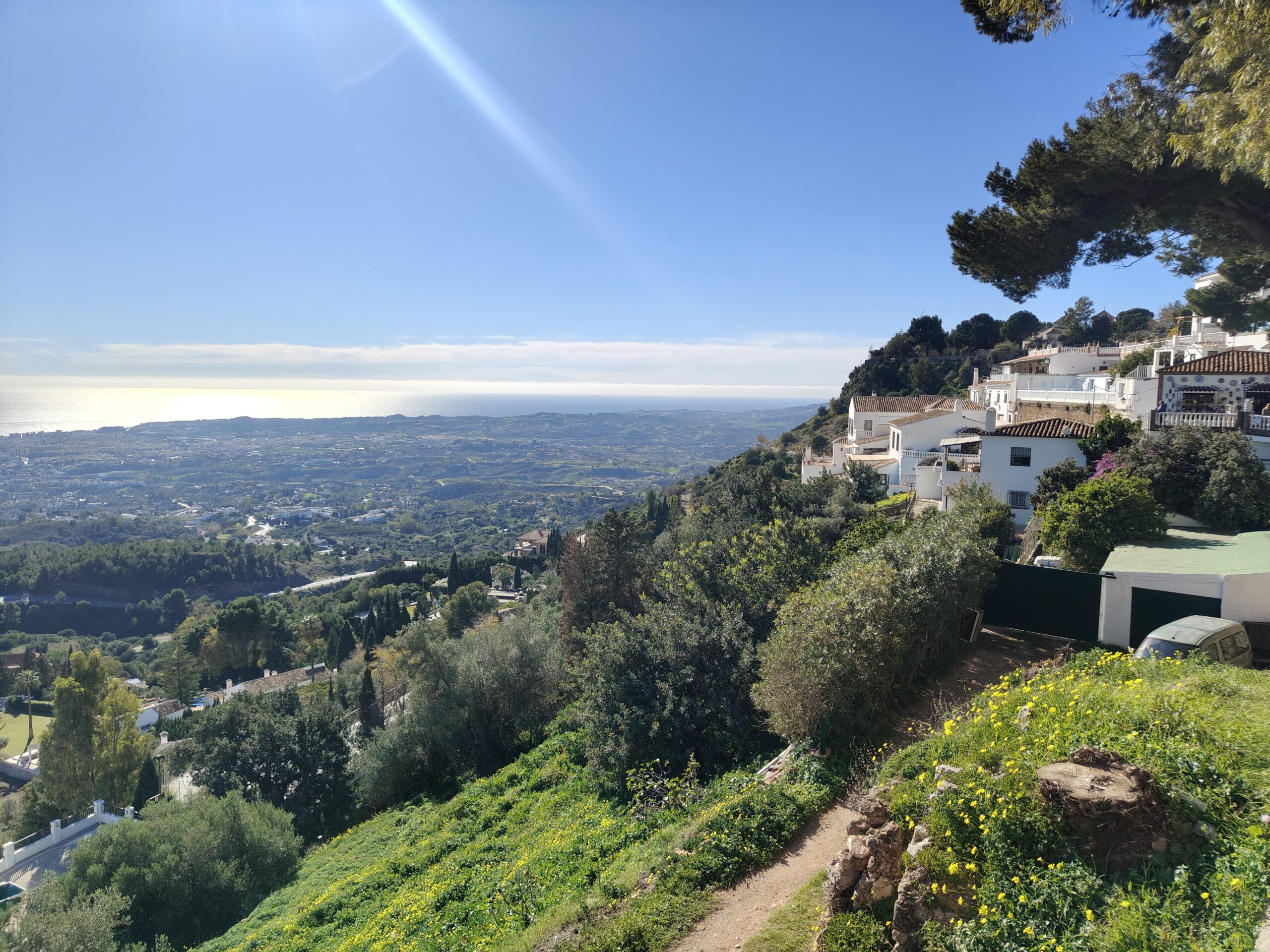
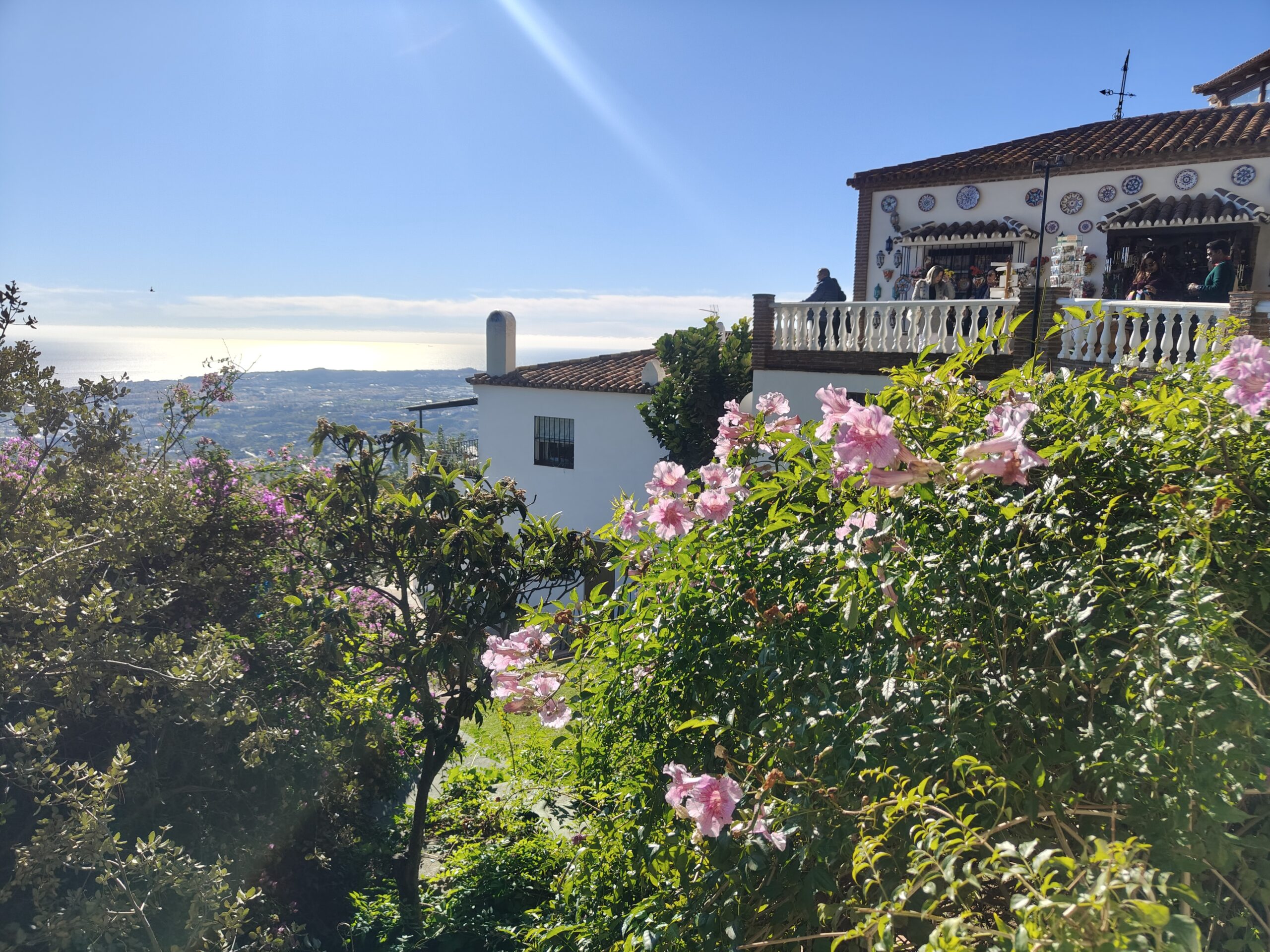
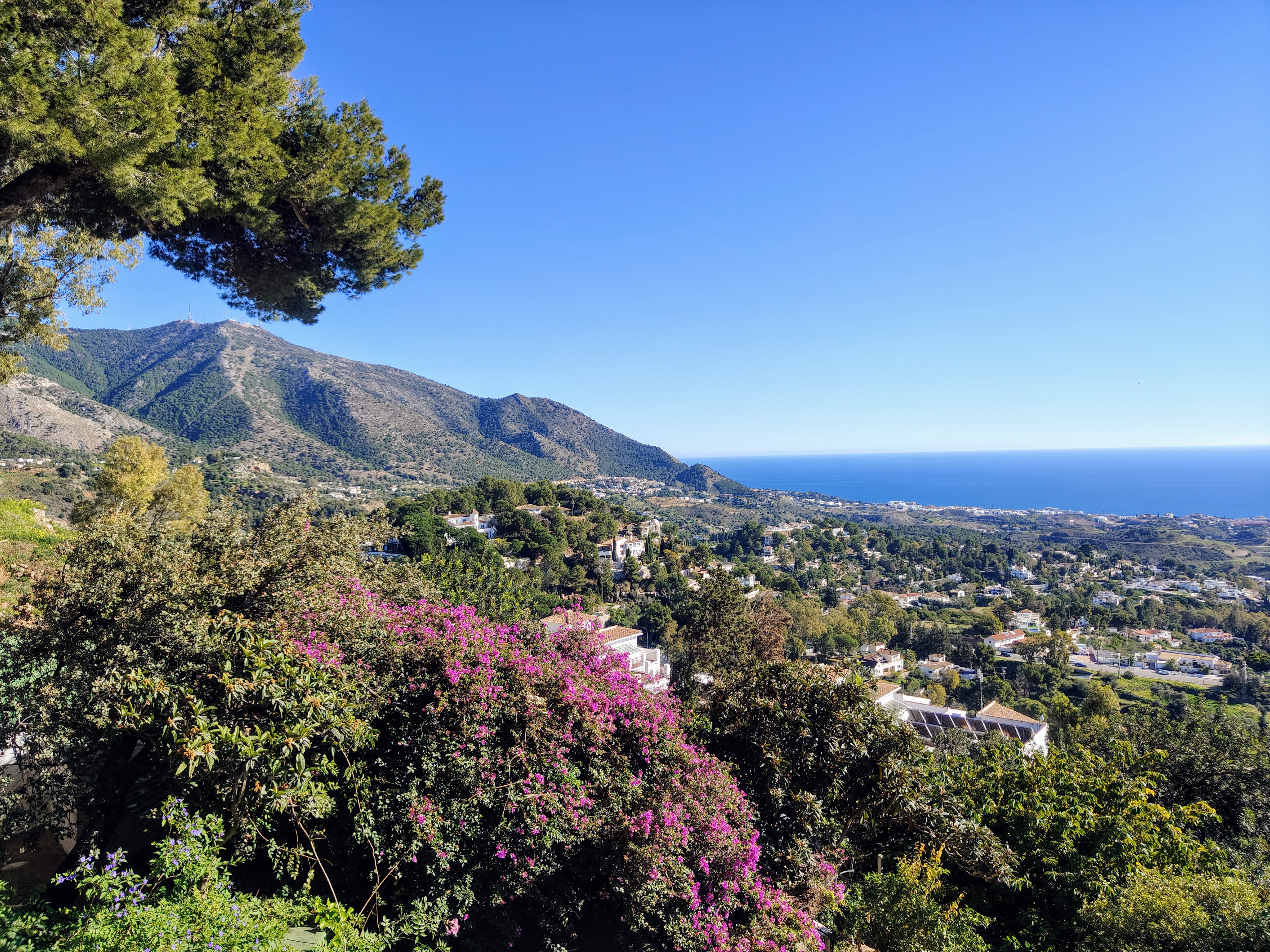
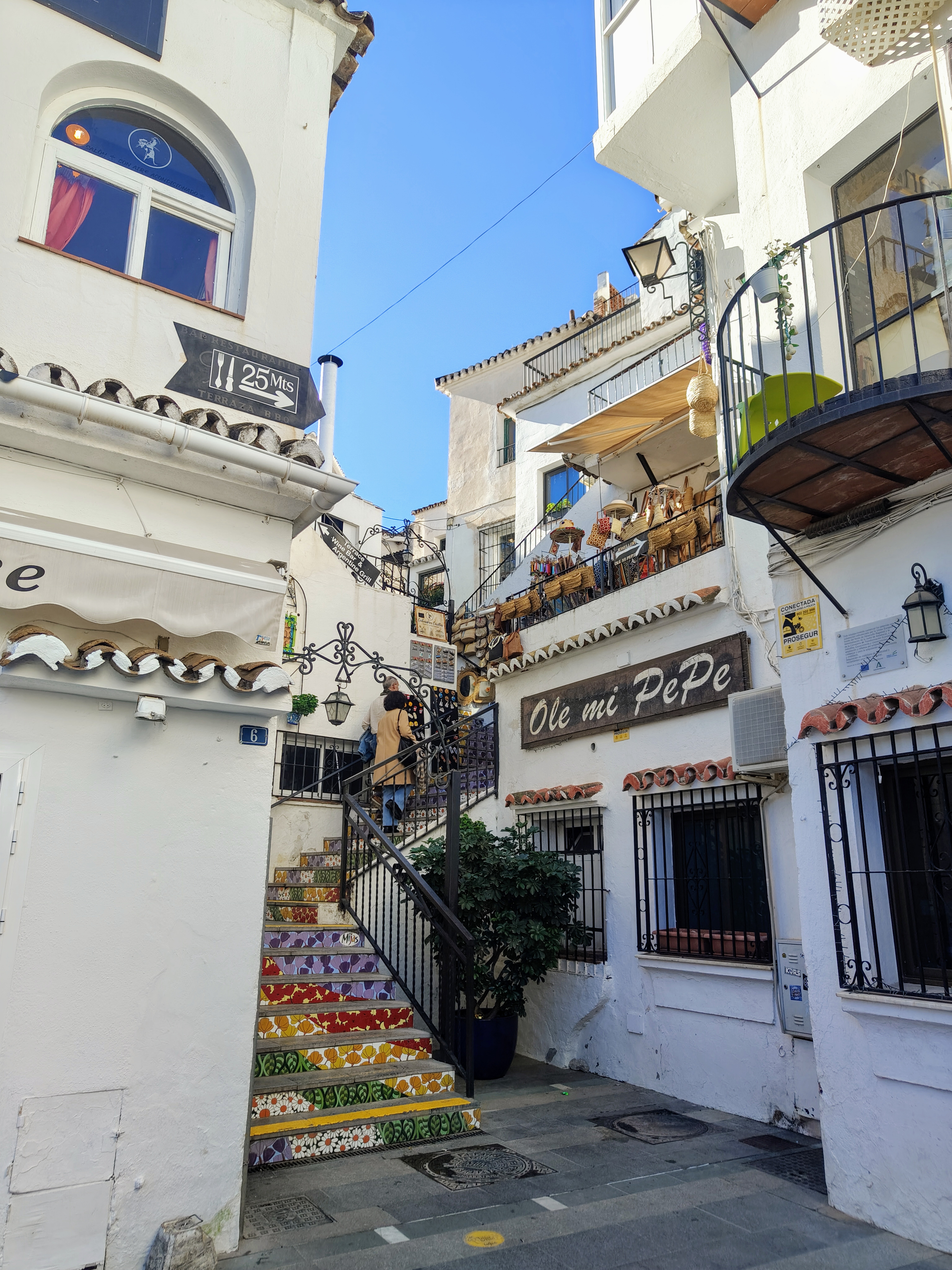
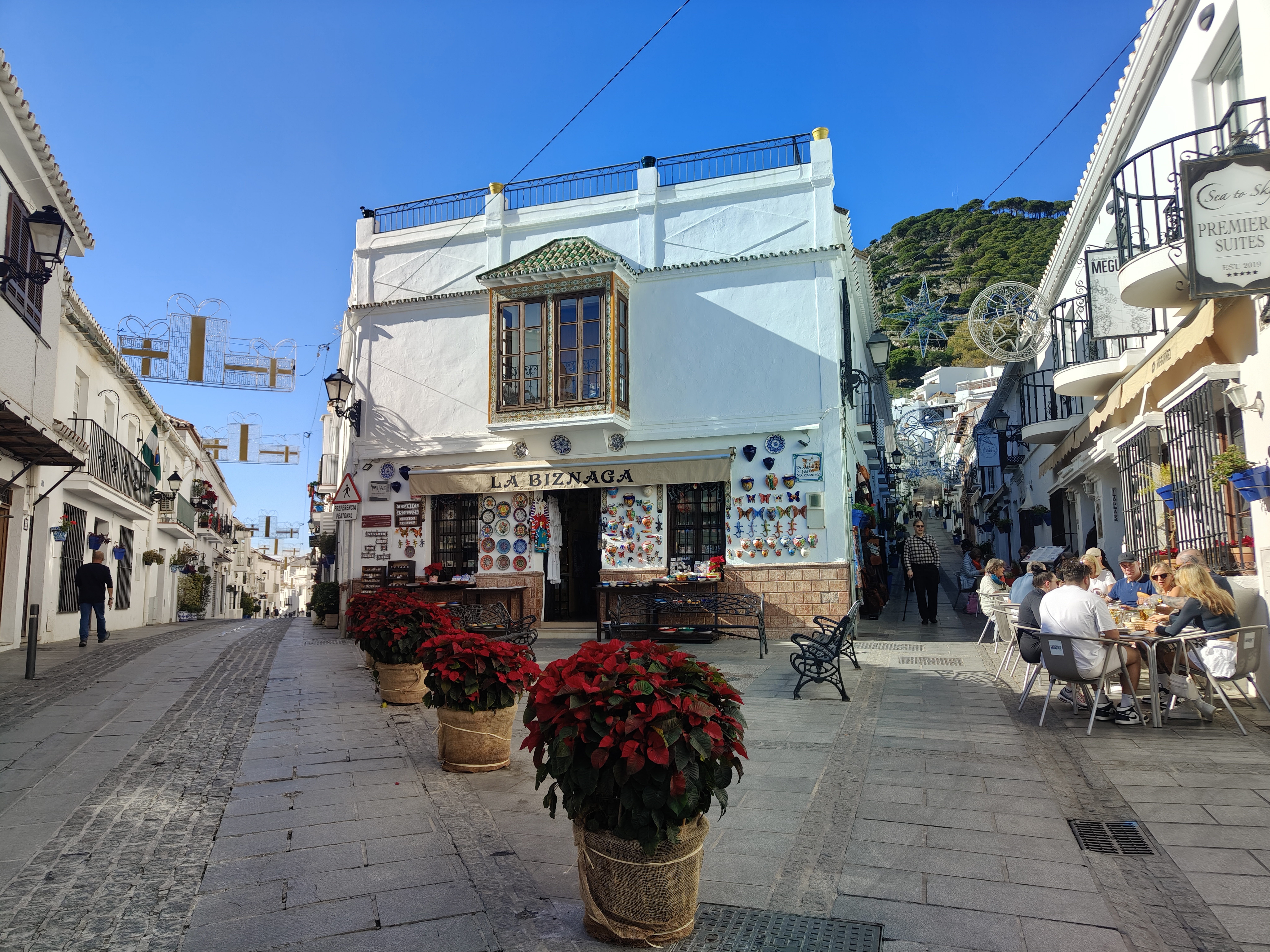
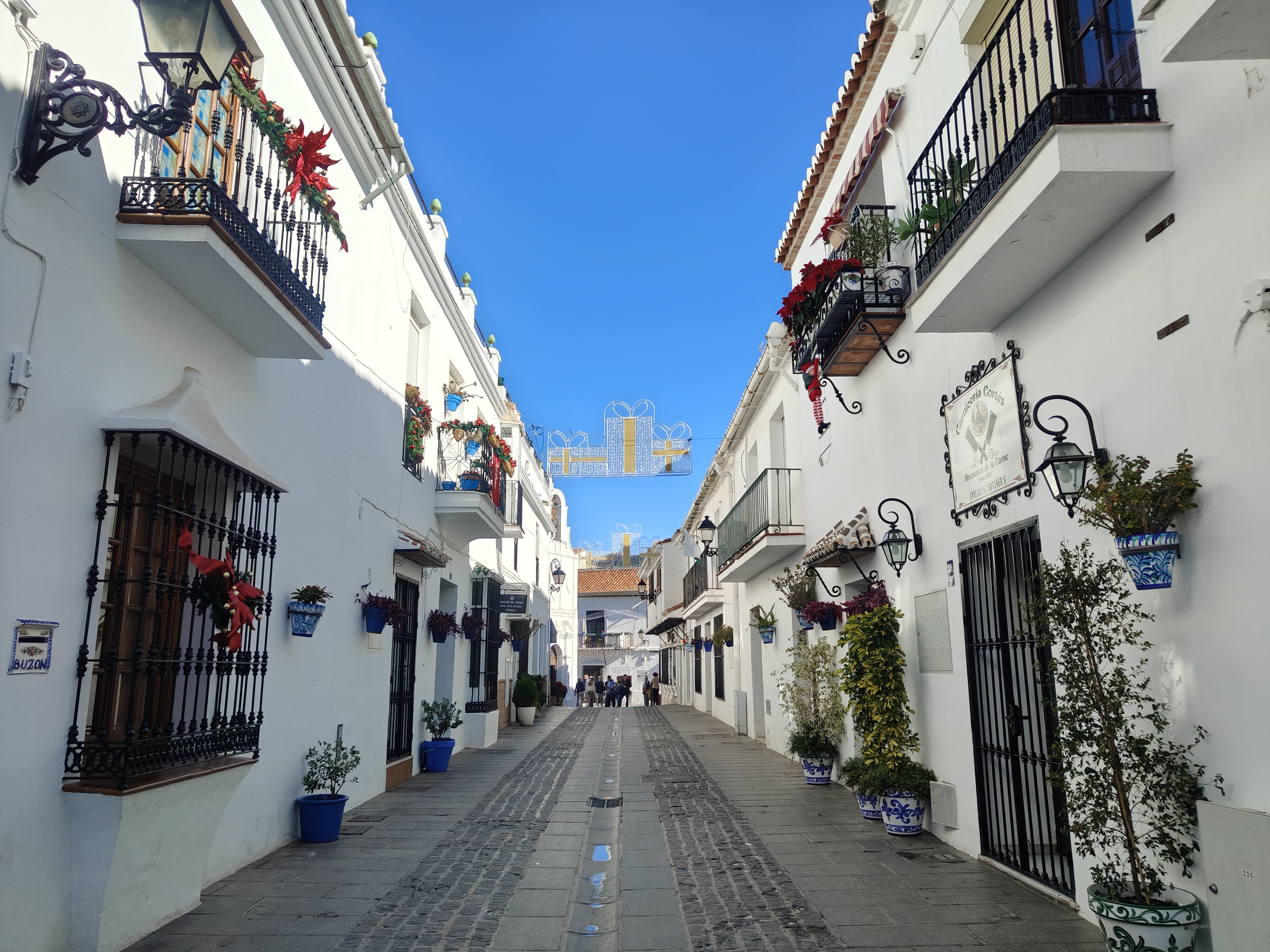
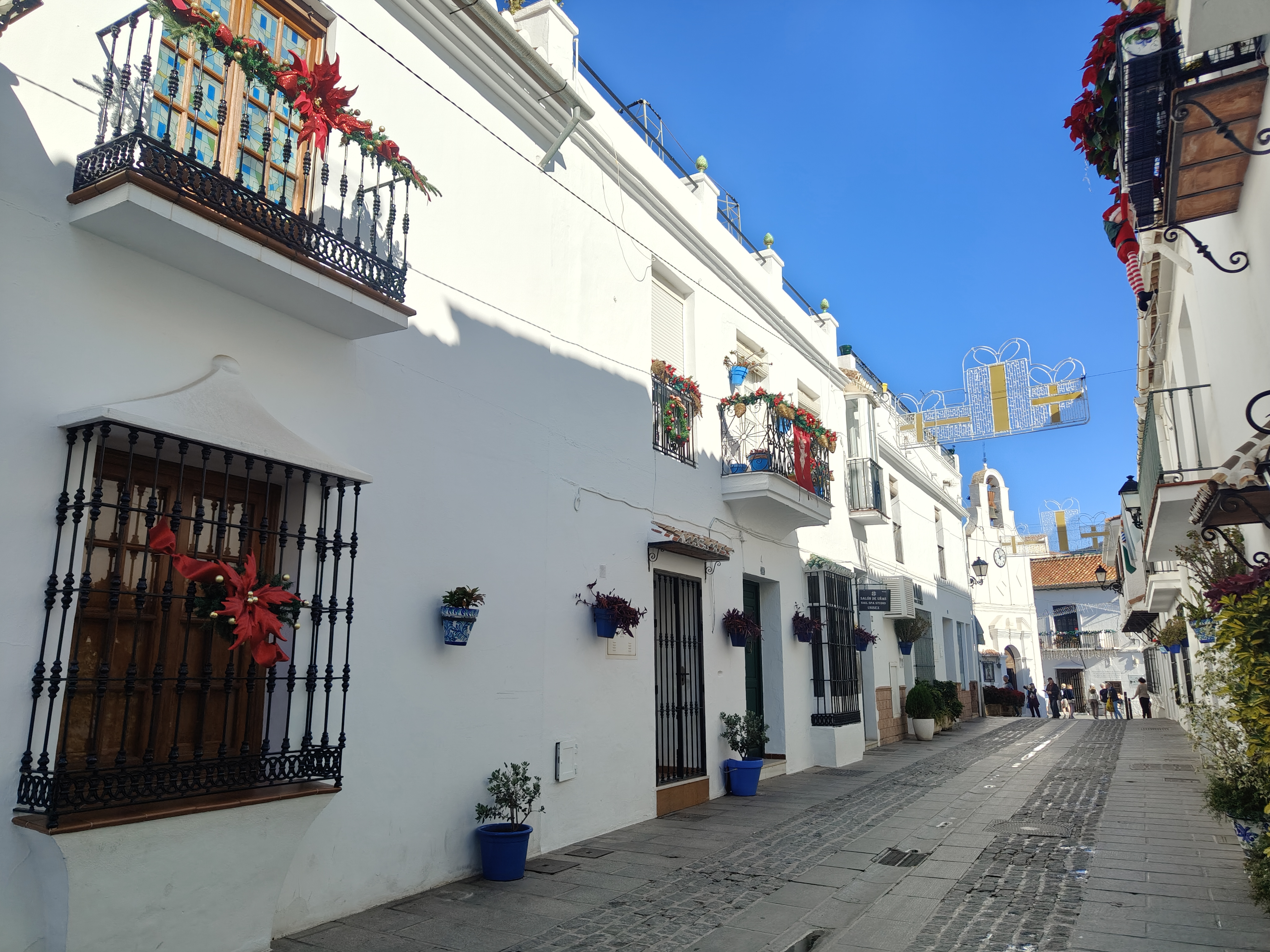


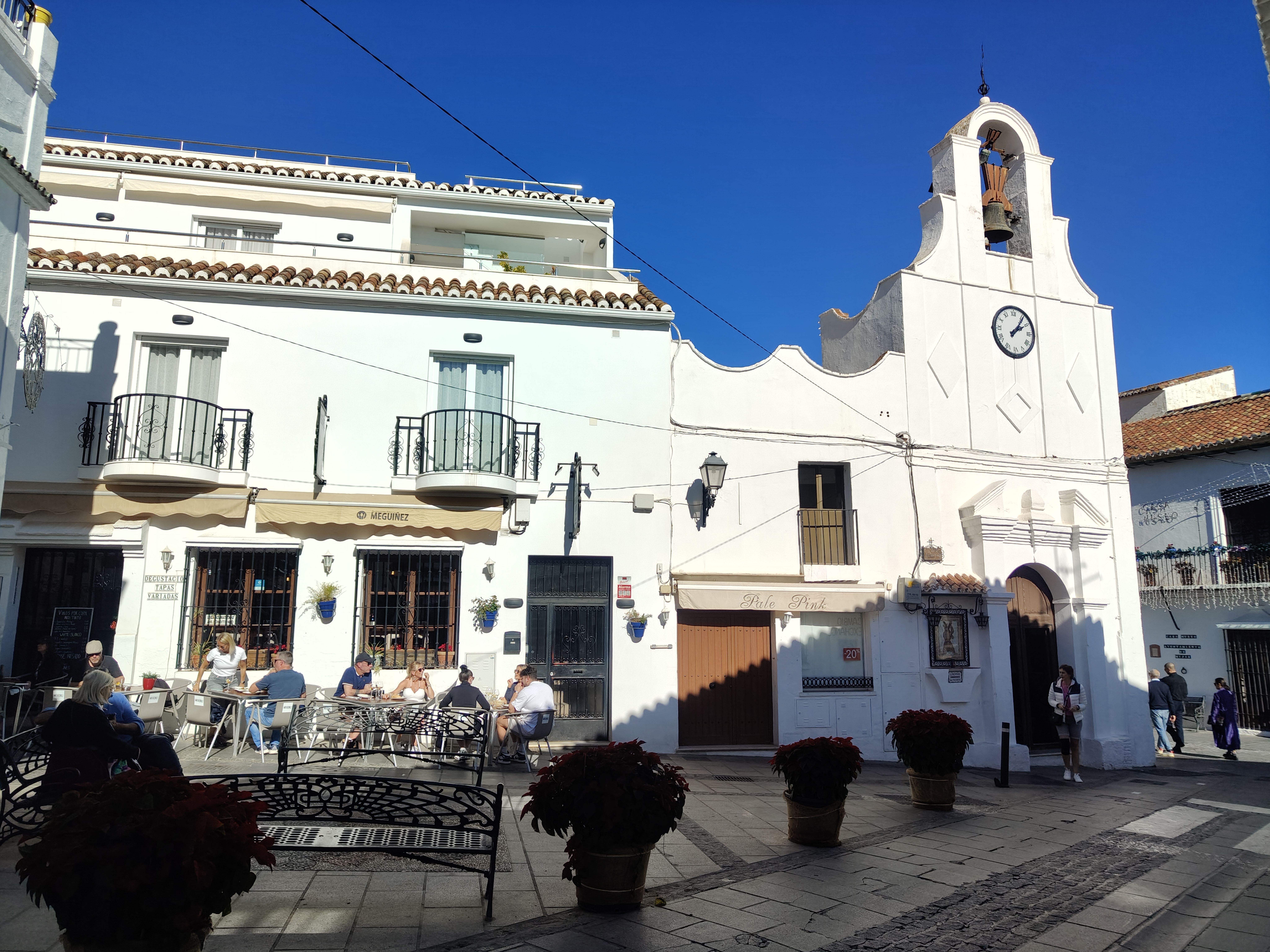
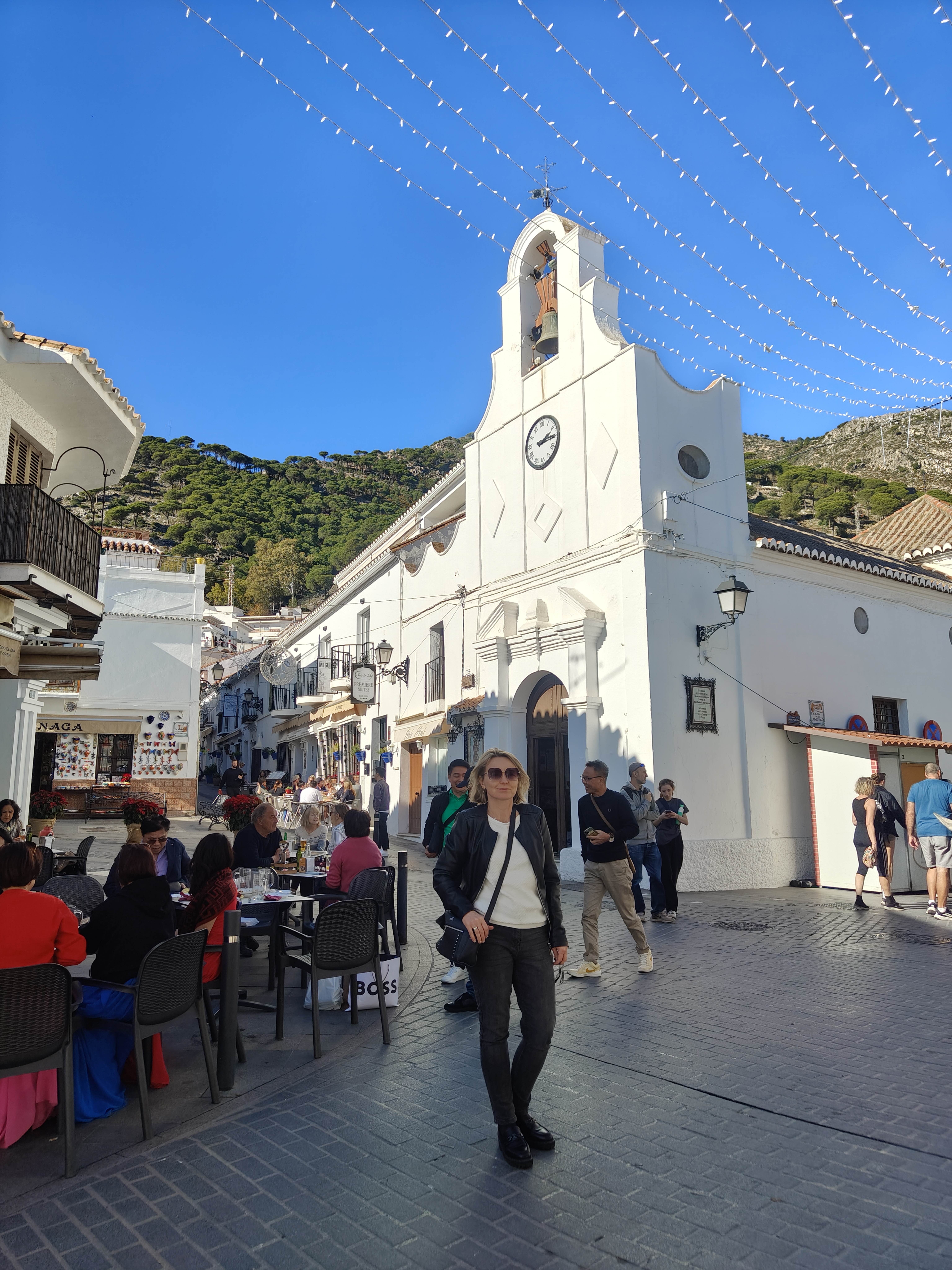
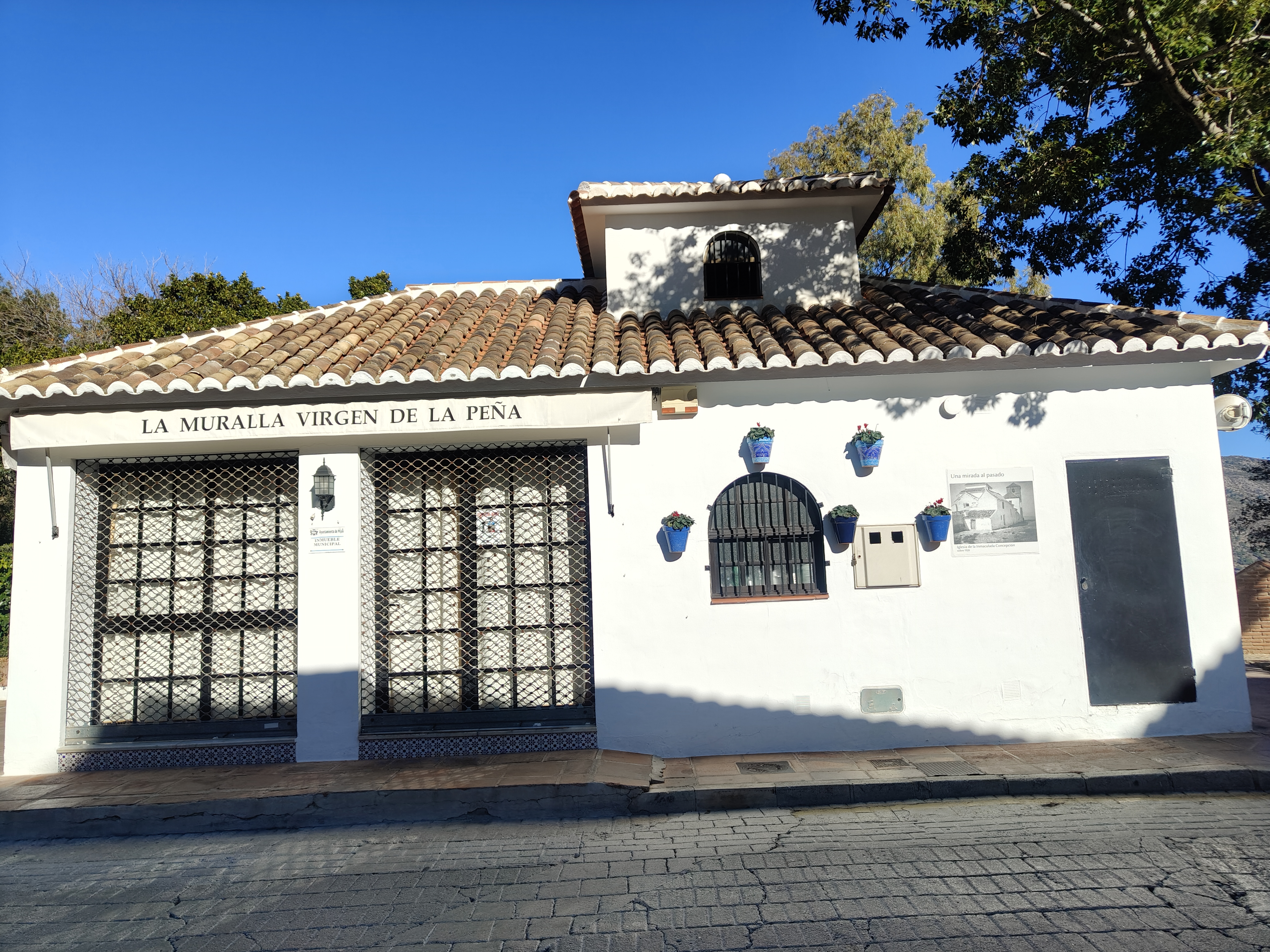
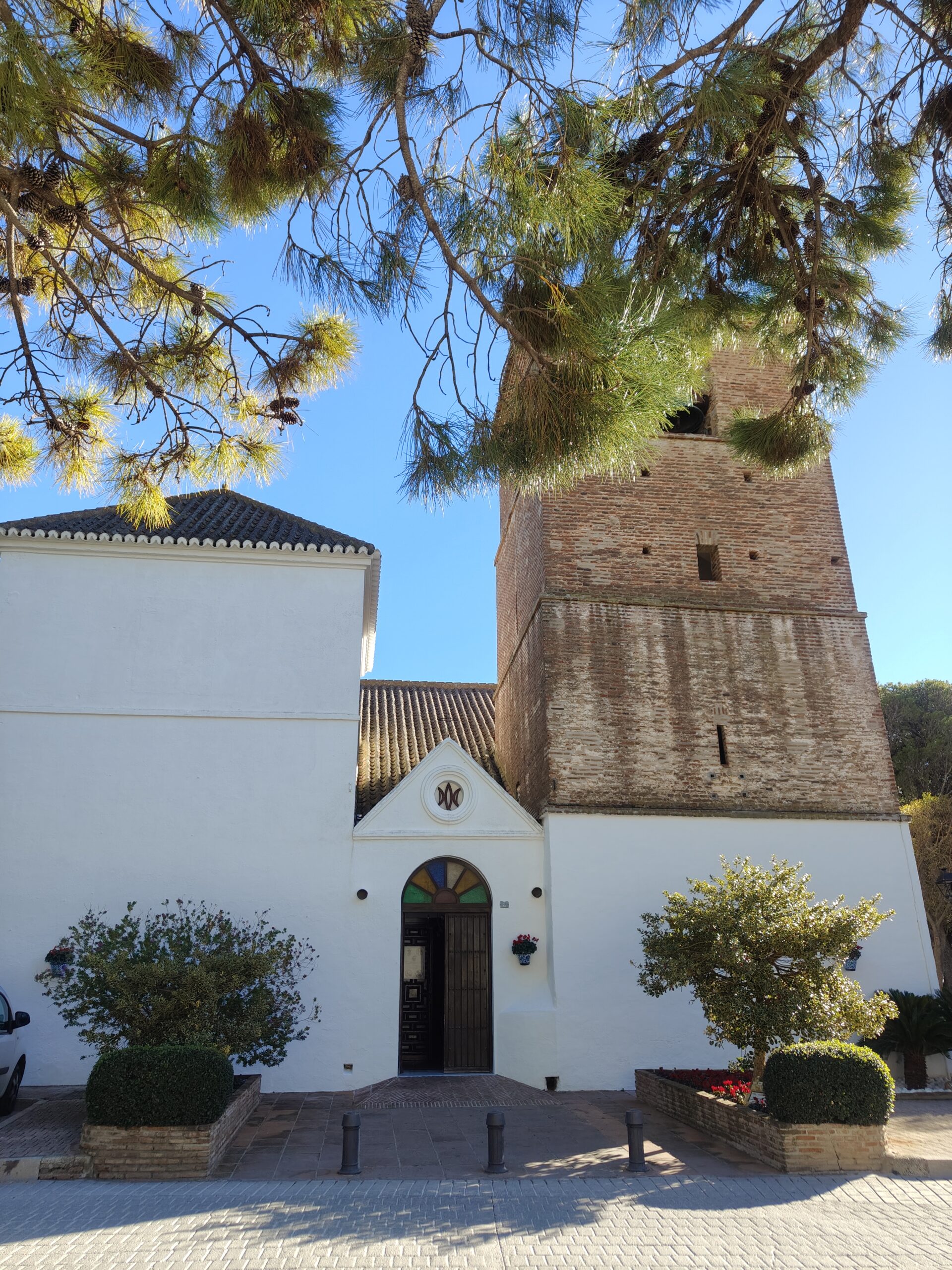
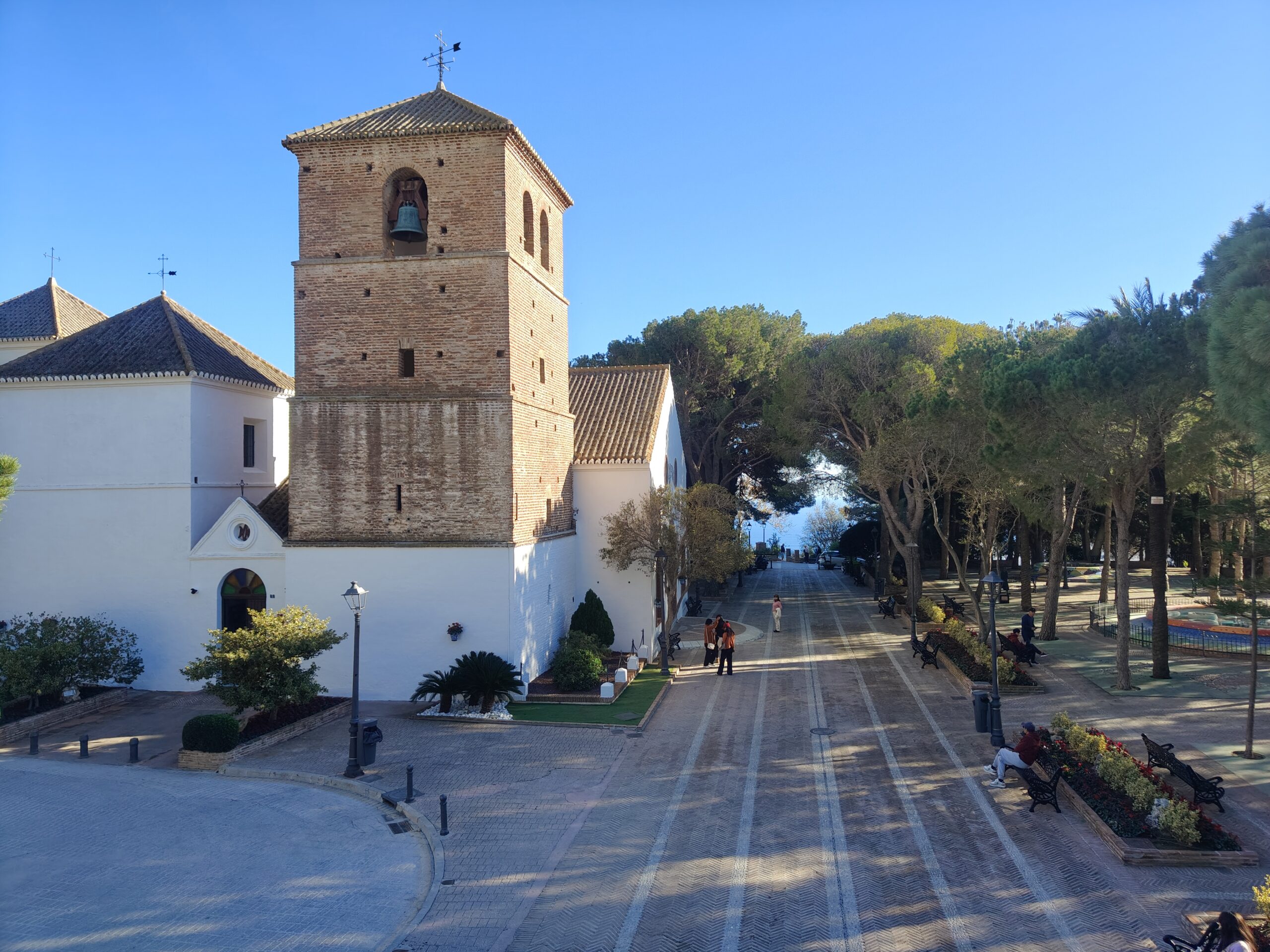
During our journey through Andalusia, the place that truly stole my heart was Mijas Pueblo — a picturesque white village nestled in the hills of the Sierra de Mijas, at 428 meters above sea level. We arrived by local bus from Benalmádena, and within moments of walking its narrow streets, I felt there was something truly special about this place.
The history of Mijas dates back to prehistoric times, with the first signs of settlement traced to around 3000 BC. Over the centuries, it was home to Romans, Moors, and later, the Christian kings of Castile. Despite its small size, Mijas Pueblo was once an important trade center, and today it charms visitors with the oriental character of a former Moorish village.
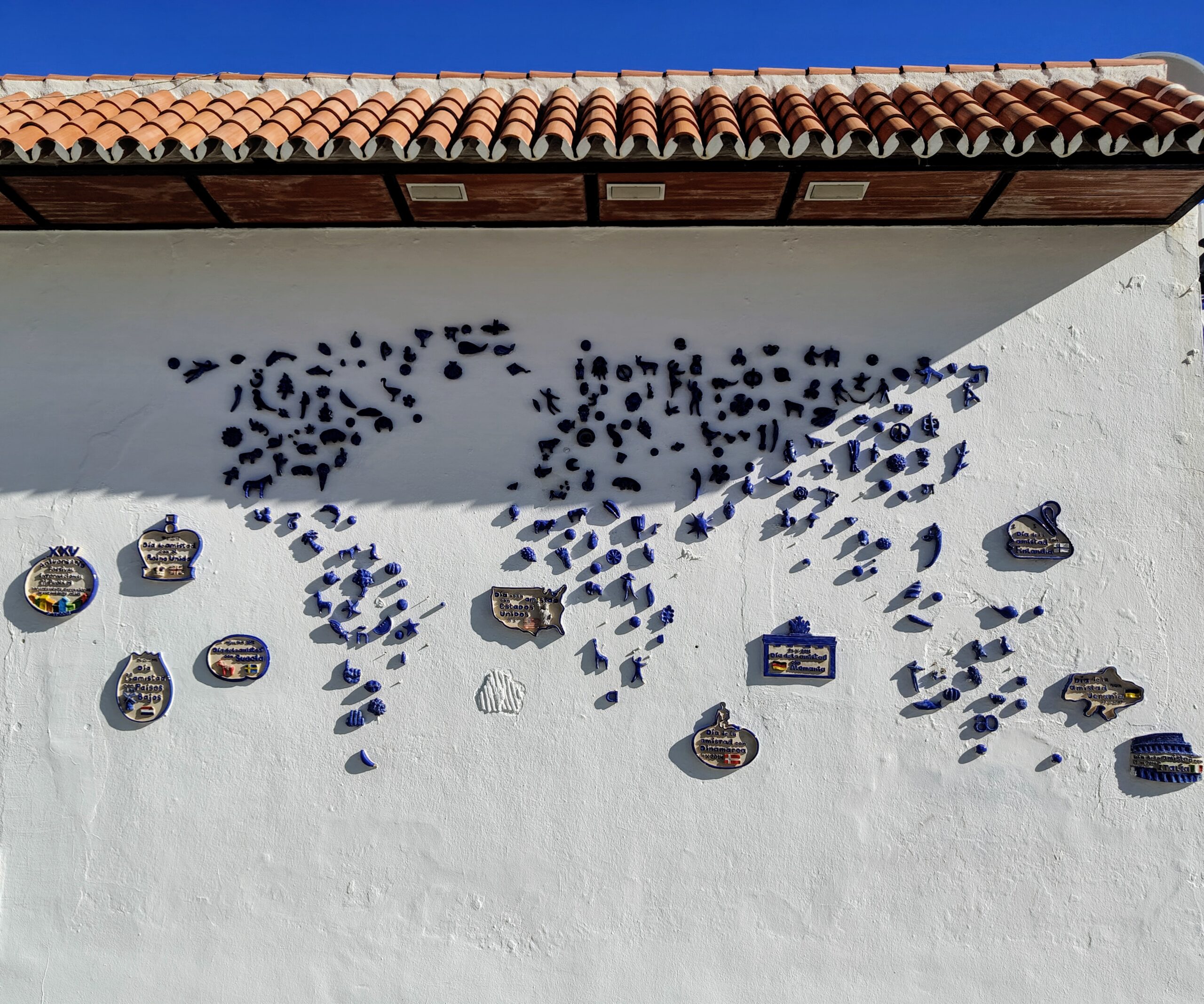

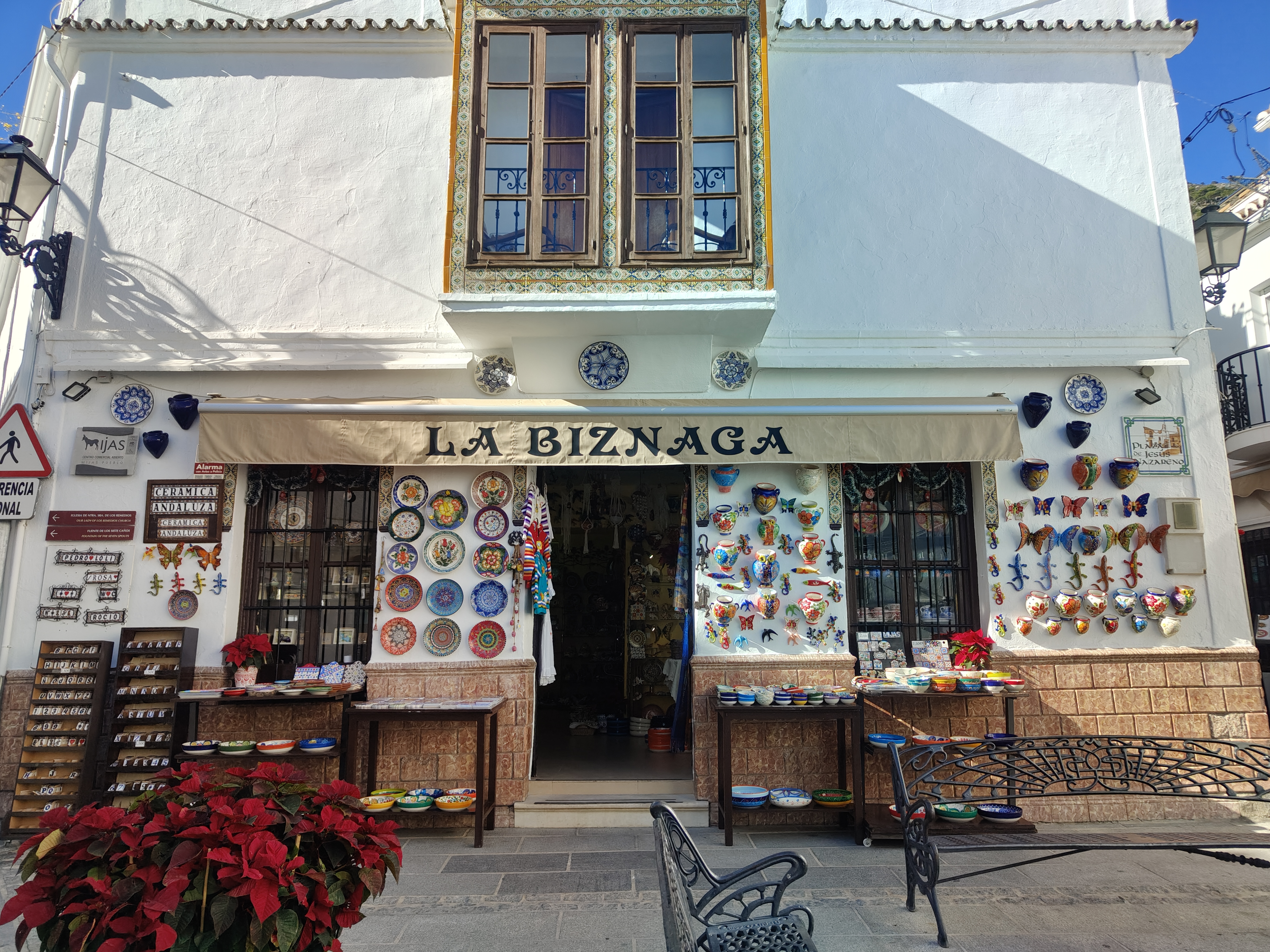
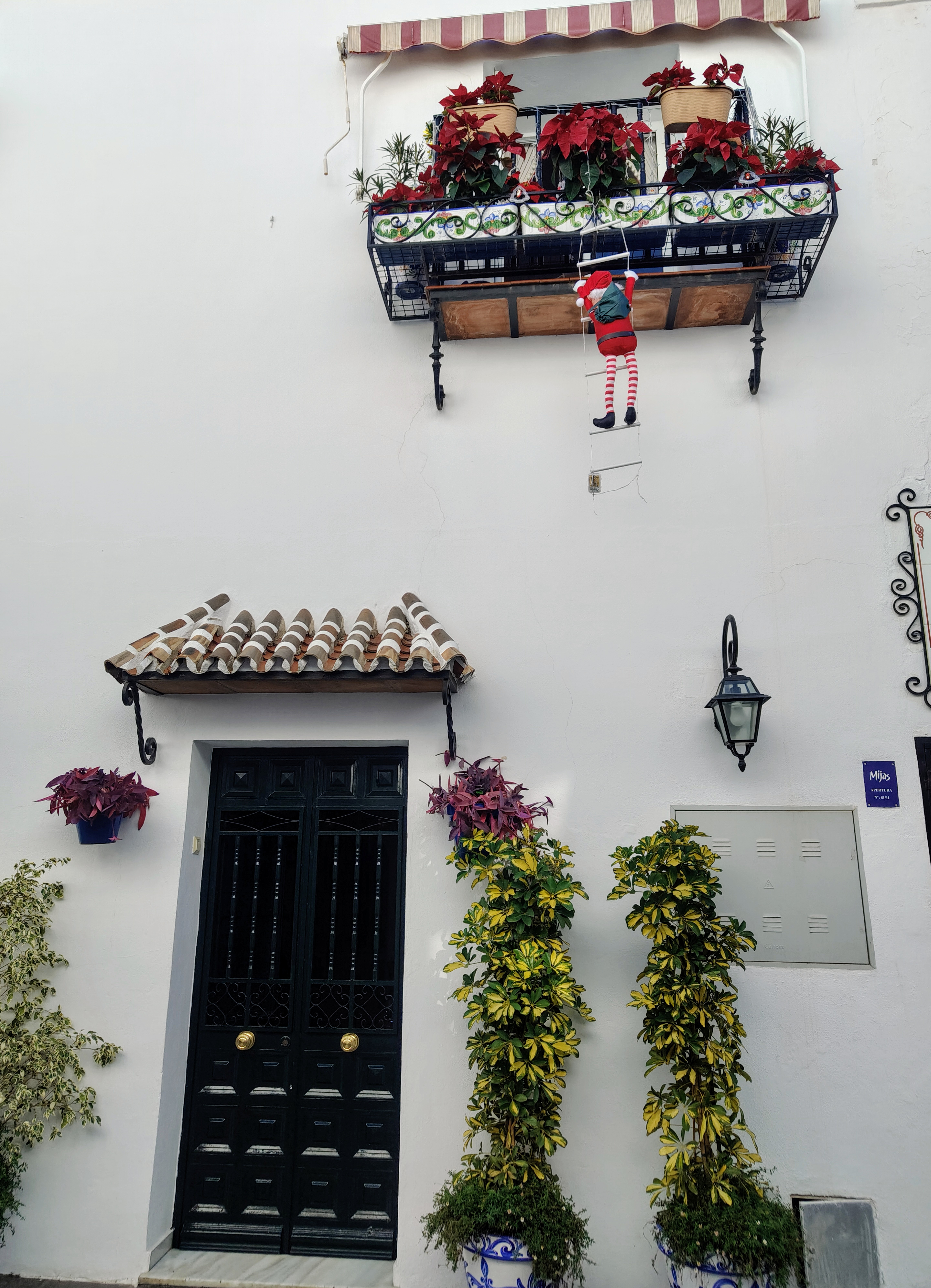
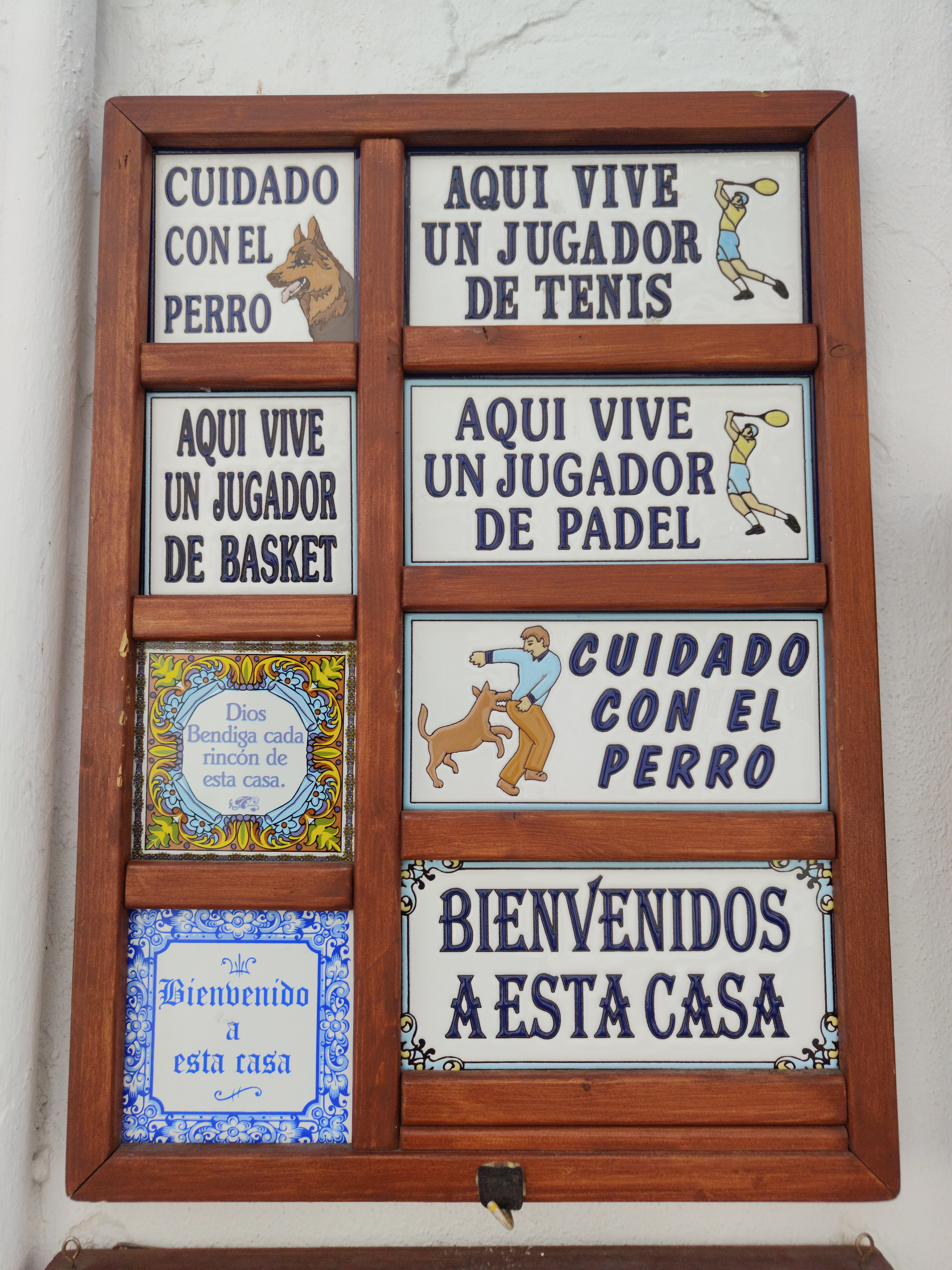
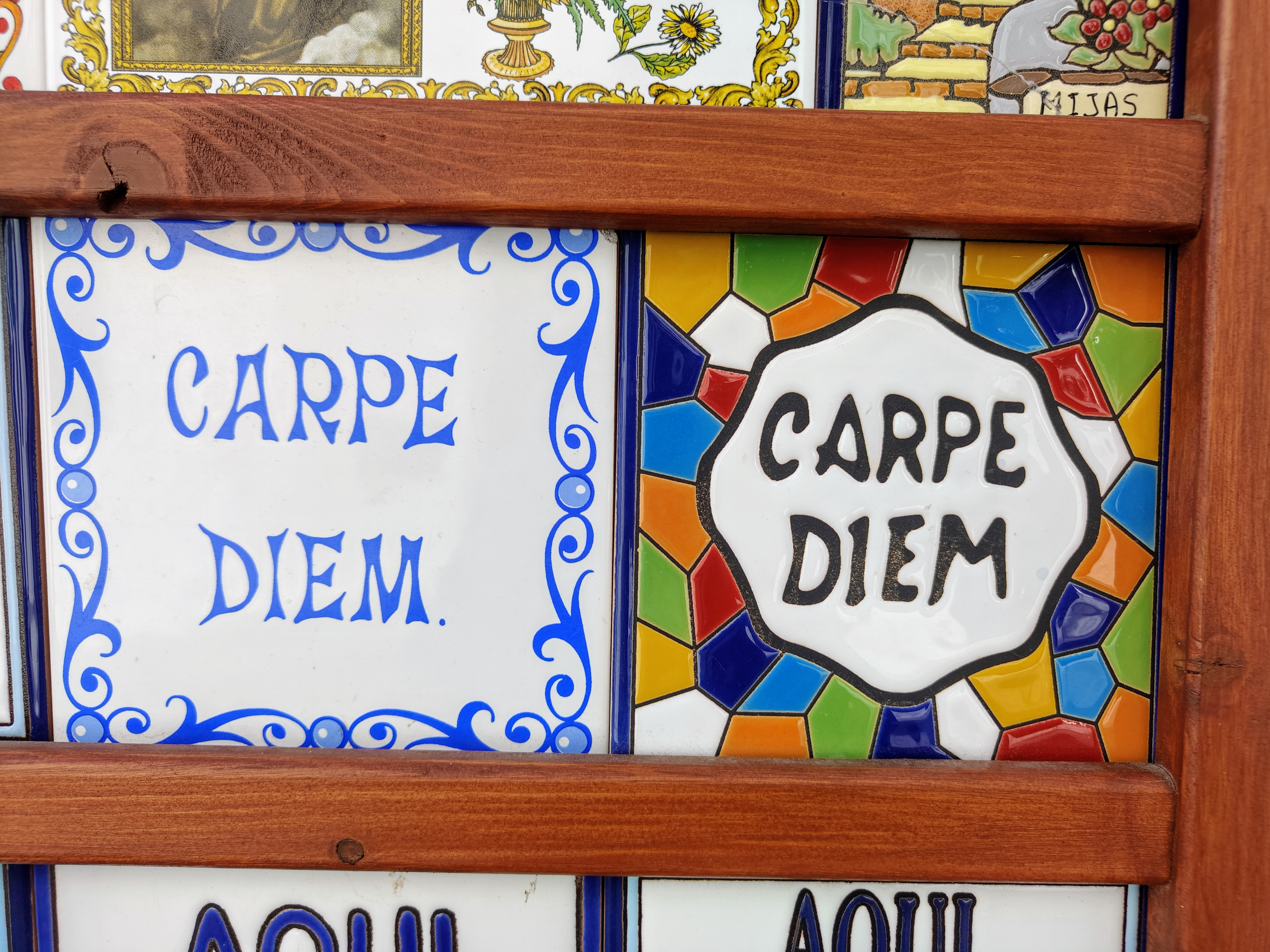
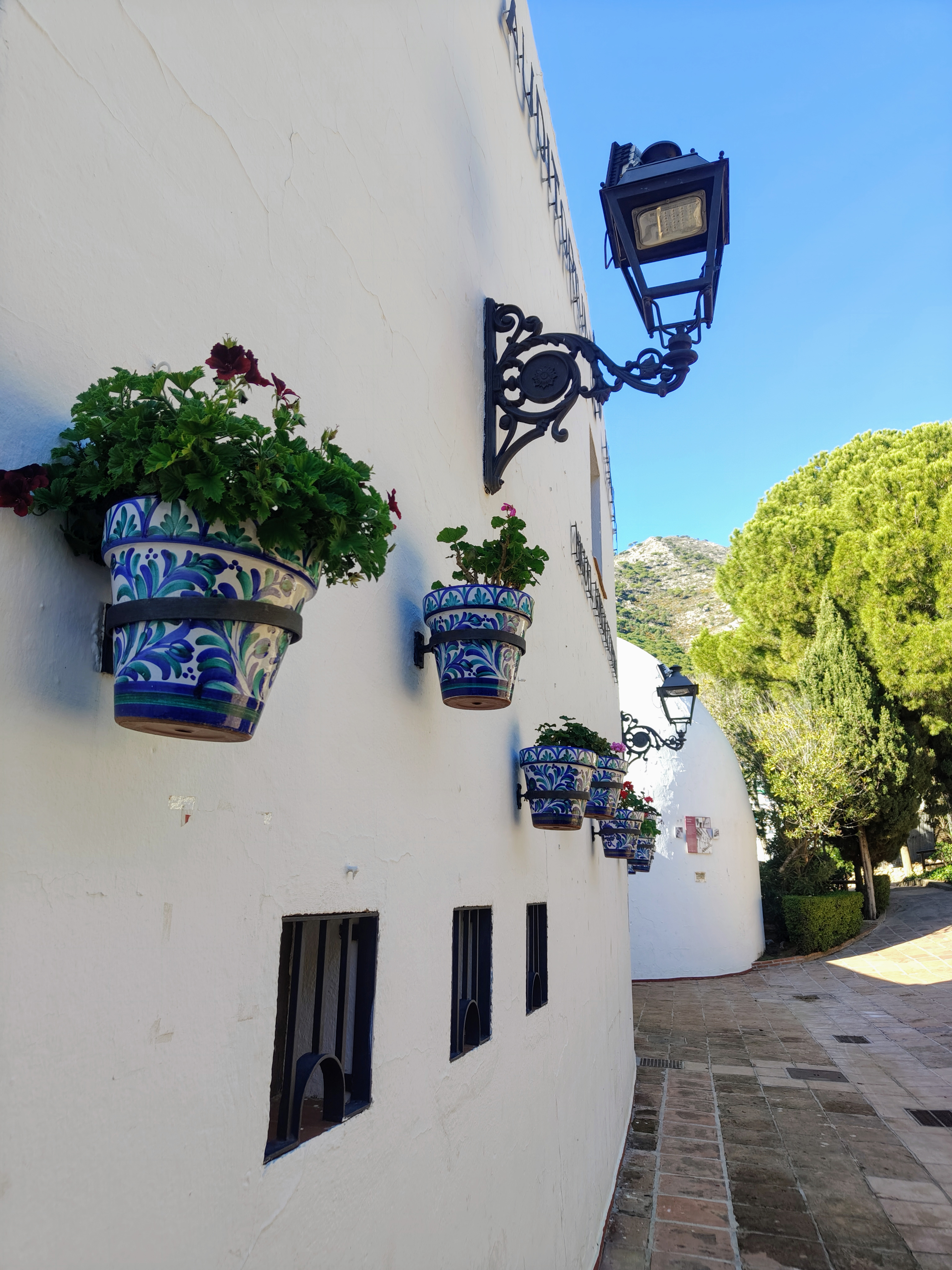
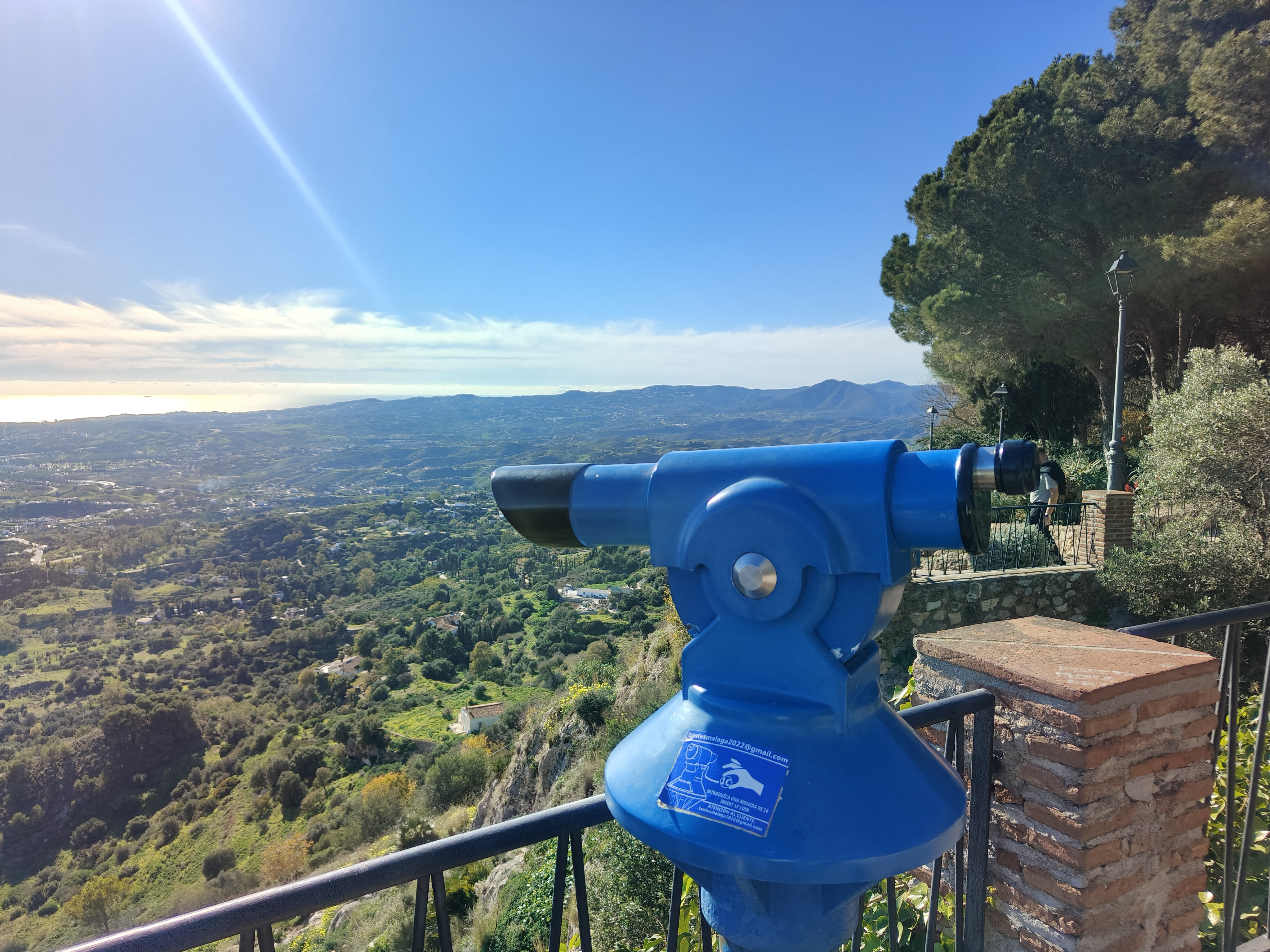

Walking through its charming, stone-paved streets, we admired the white houses decorated with blue flowerpots full of flowers and herbs. Colorful azulejos (ceramic tiles) decorate many staircases and courtyards, adding to the village’s charm. The town is full of cozy cafés, artisan shops, and scenic viewpoints — don’t miss the stunning vistas from Avenida del Compás or the Gardens on the Walls (Jardines de las Murallas), offering panoramic views over the coastline and the village itself.
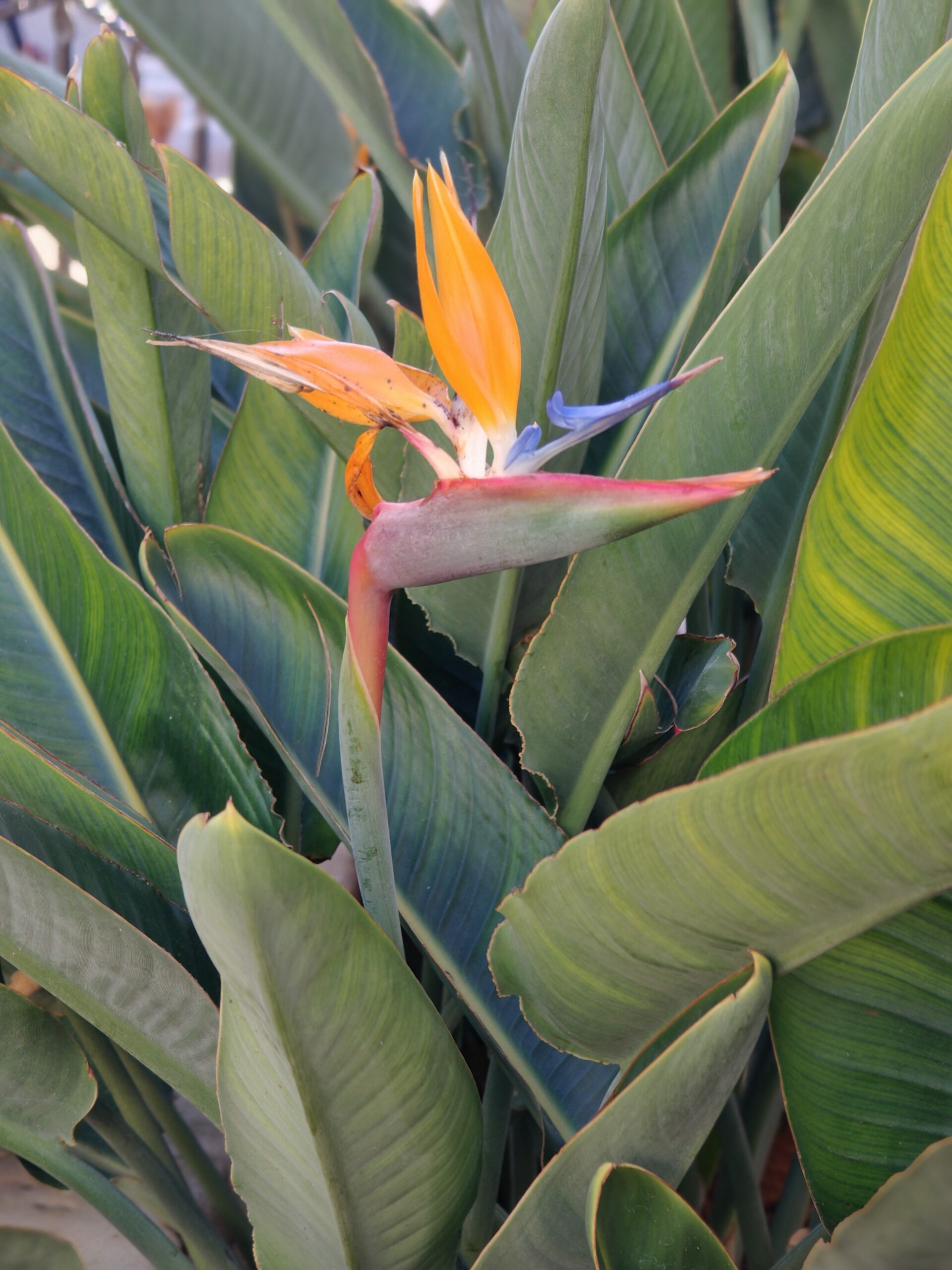
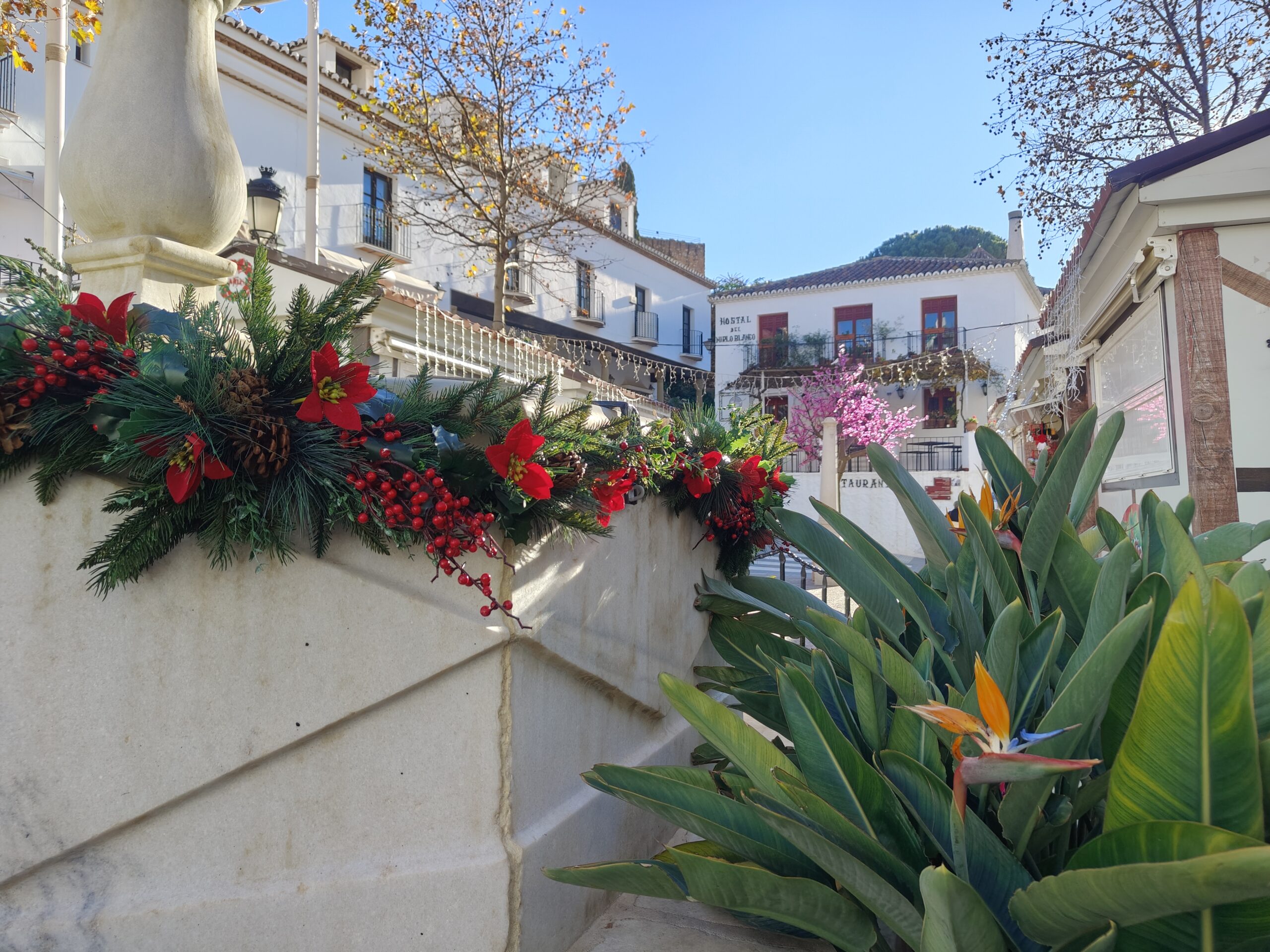
It was also wonderful to see the flowers called Birds of Paradise /Strelitzia reginae/ growing in the squares and along the charming streets of Mijas Pueblo. Until now, I had only seen them in flower shops, but here they dazzled with their natural beauty.
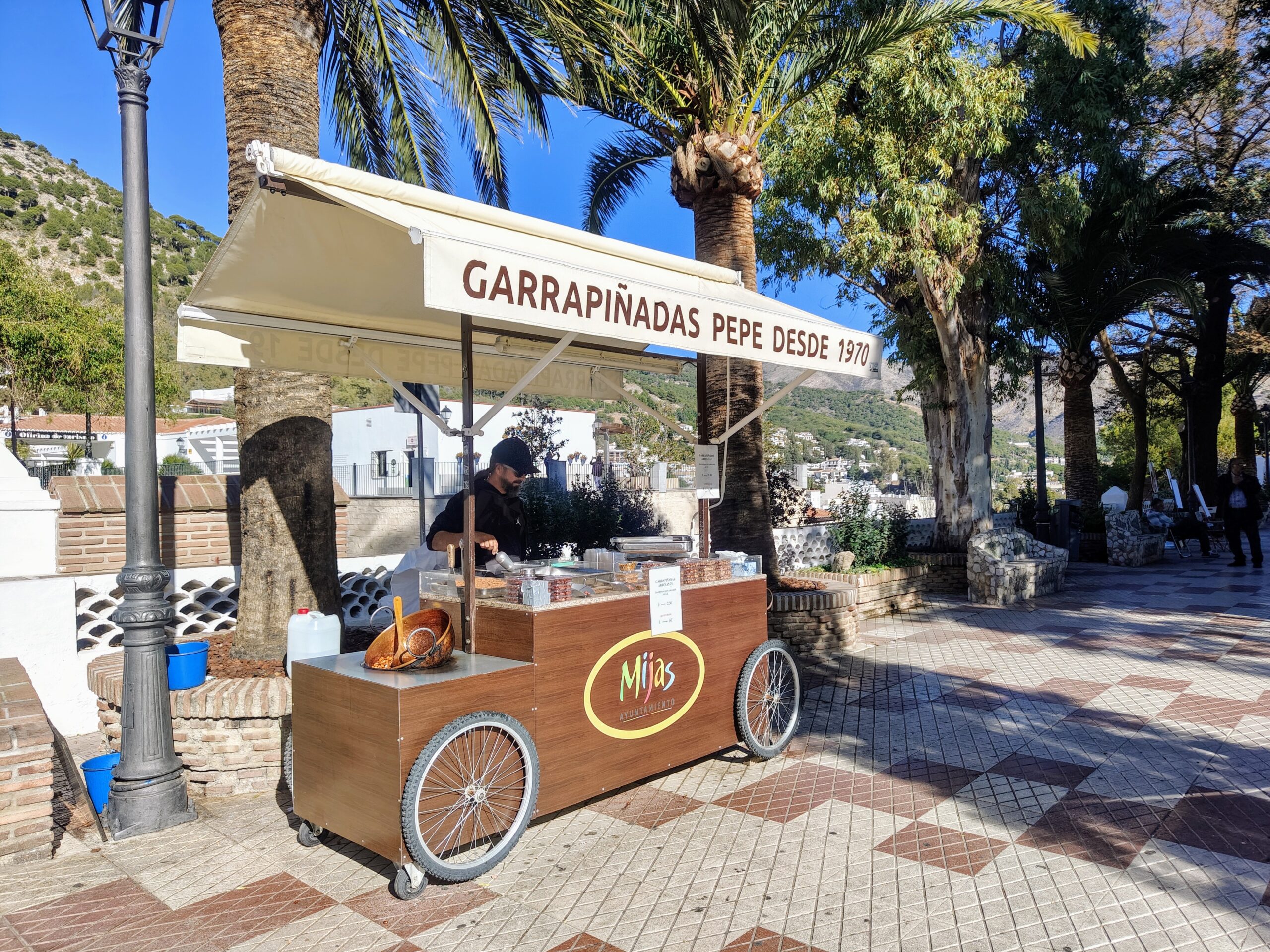
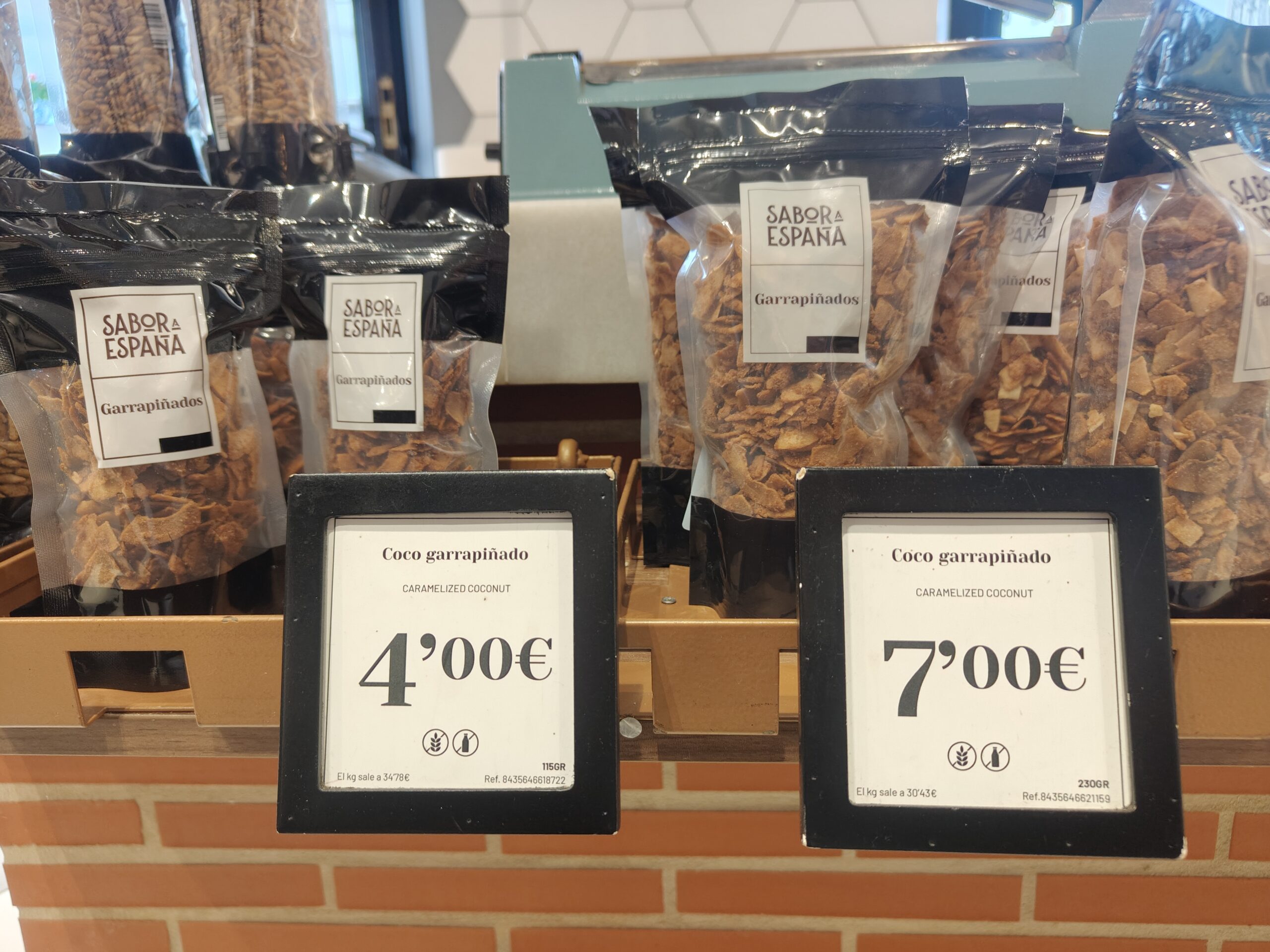
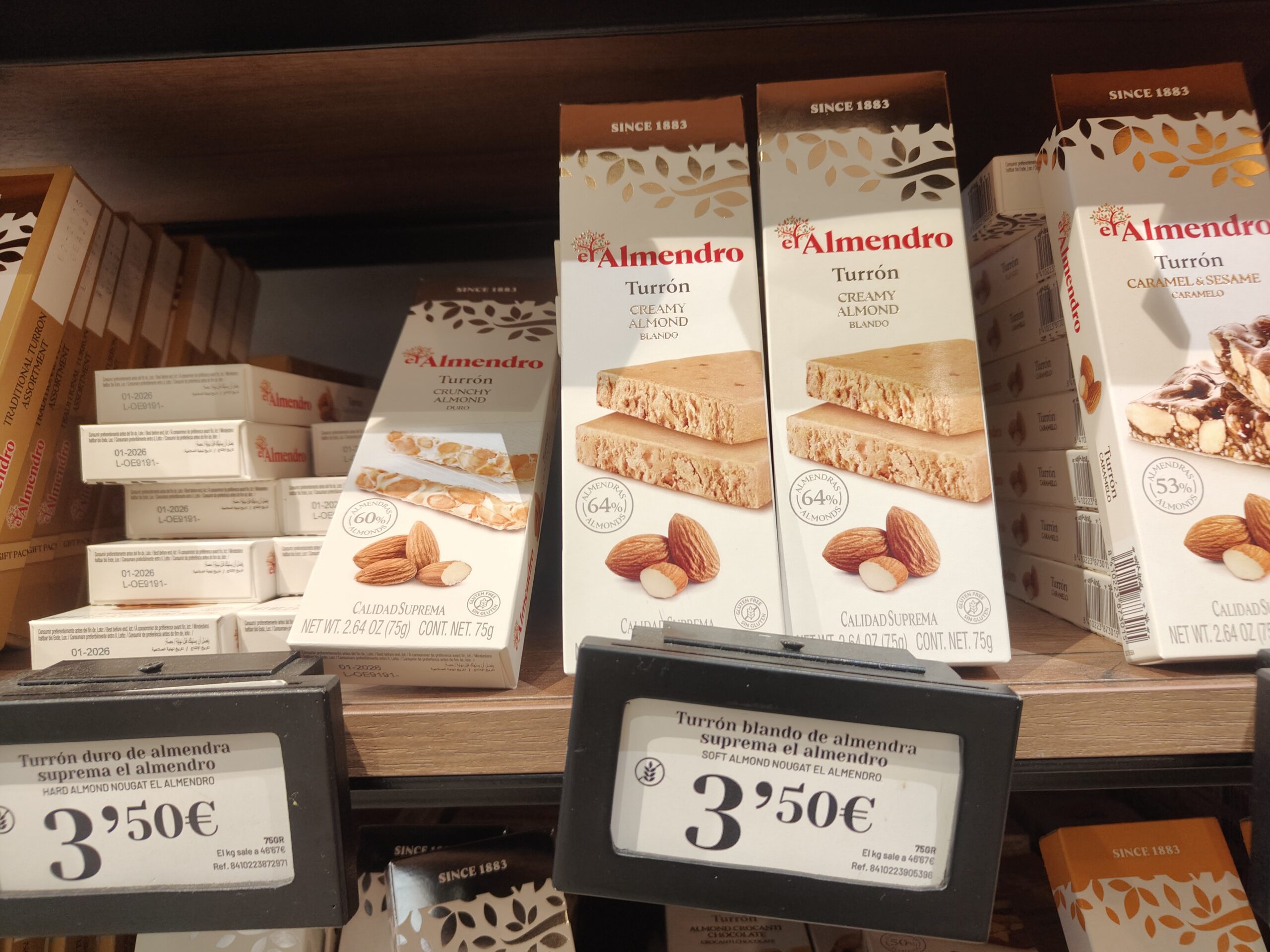
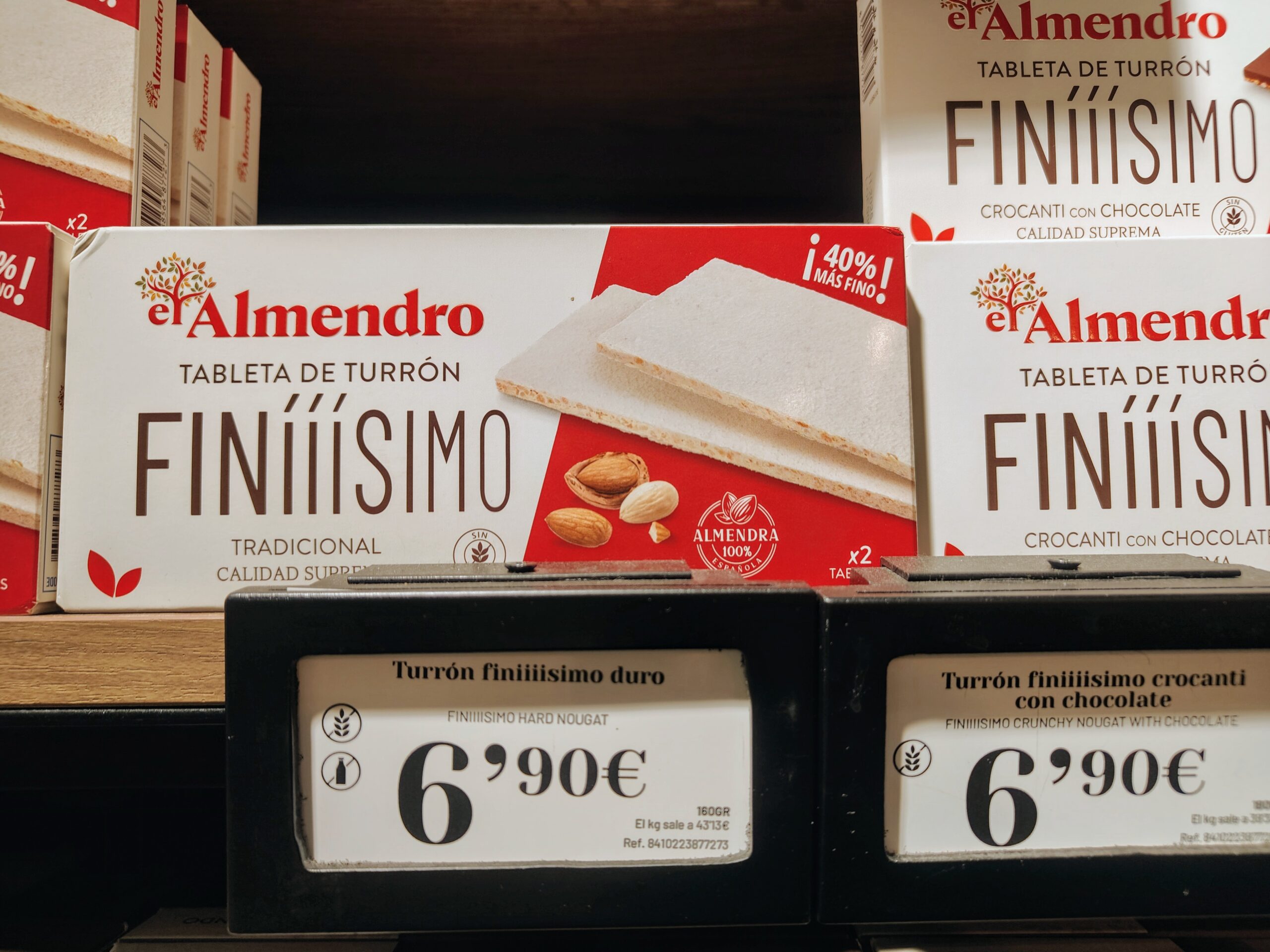
Local vendors sell delicious caramelized nuts, coconut treats, and other sweets — all clearly labeled for allergens, which is a big plus for anyone with dietary concerns.
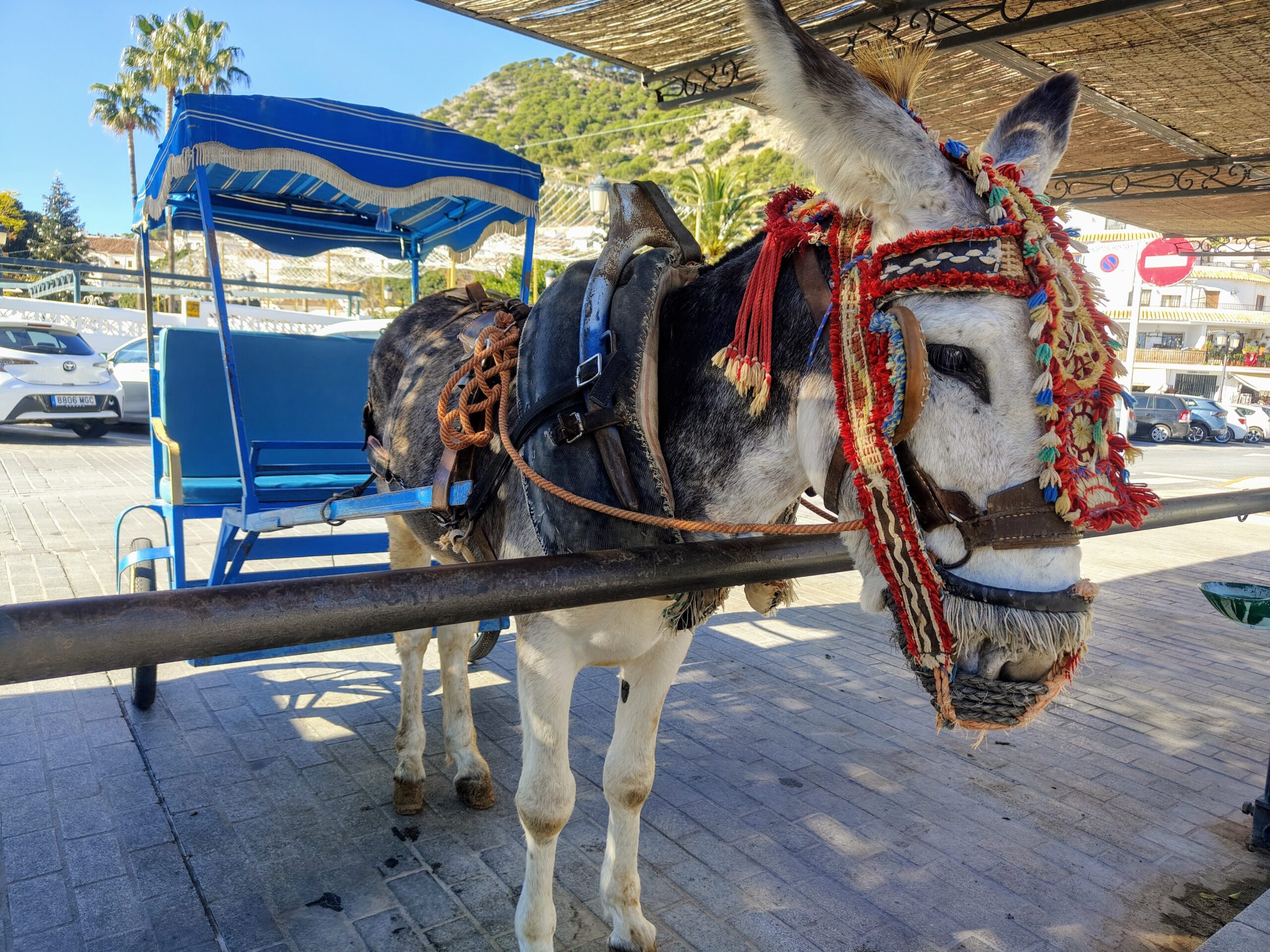
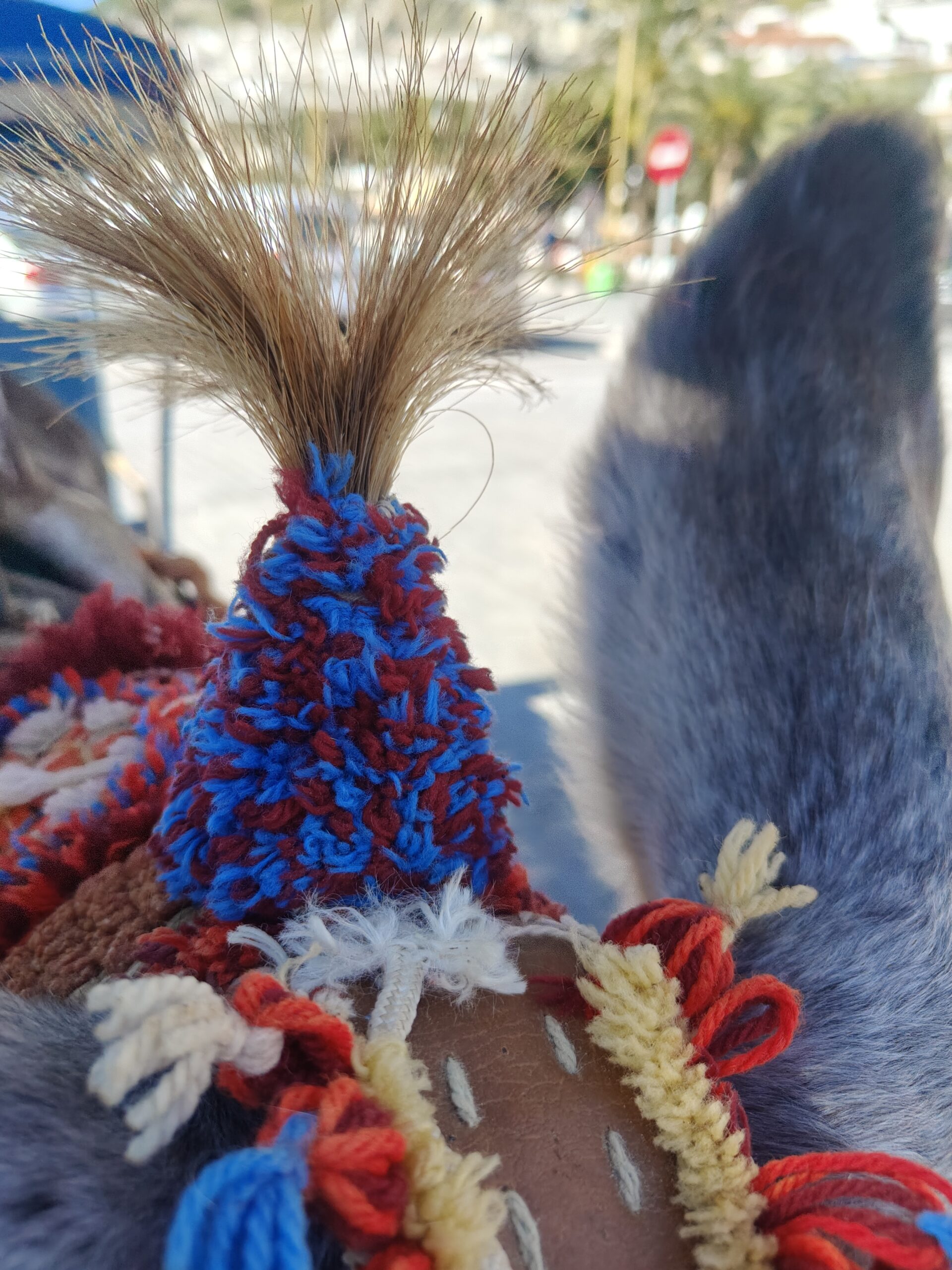
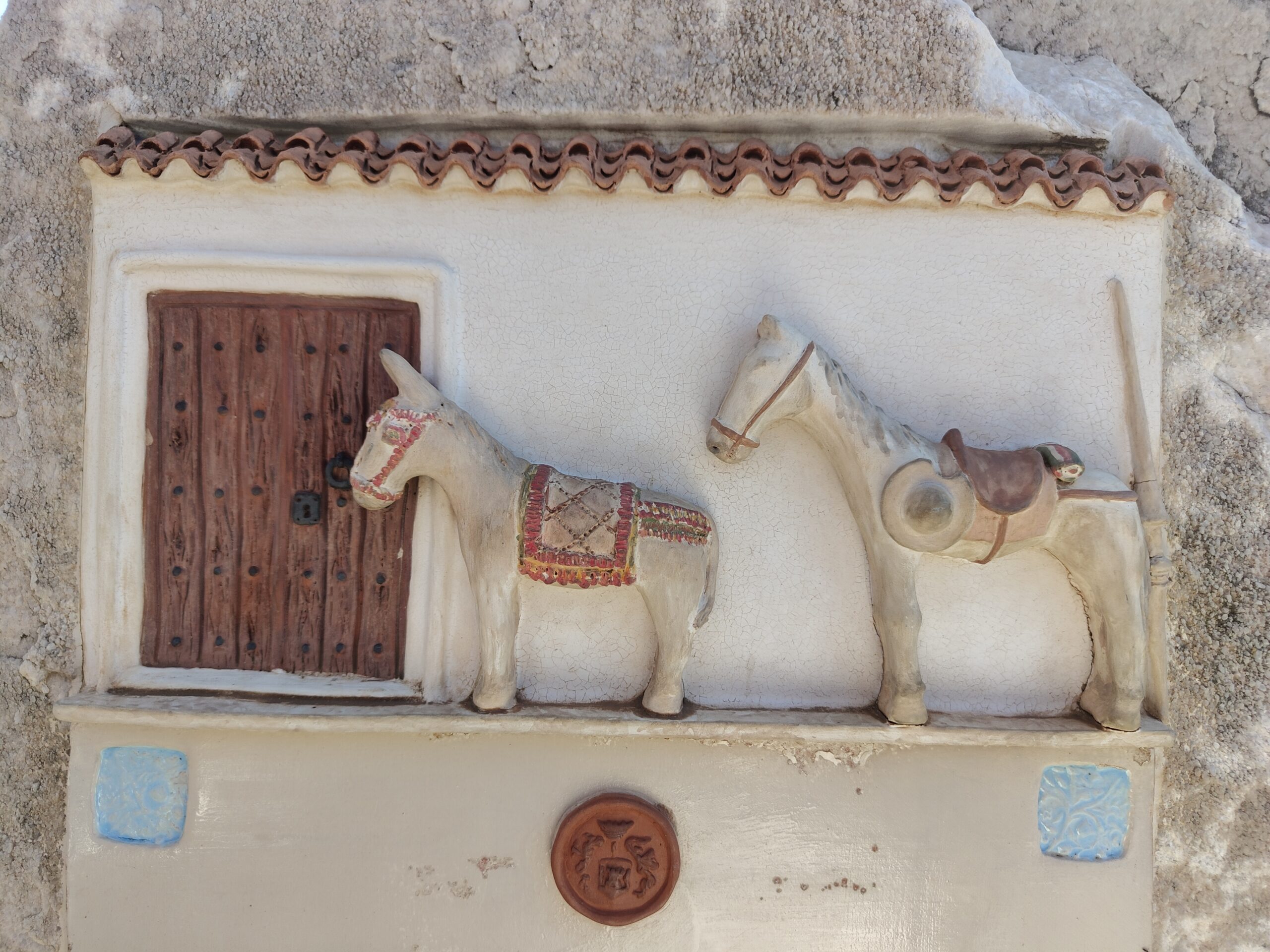
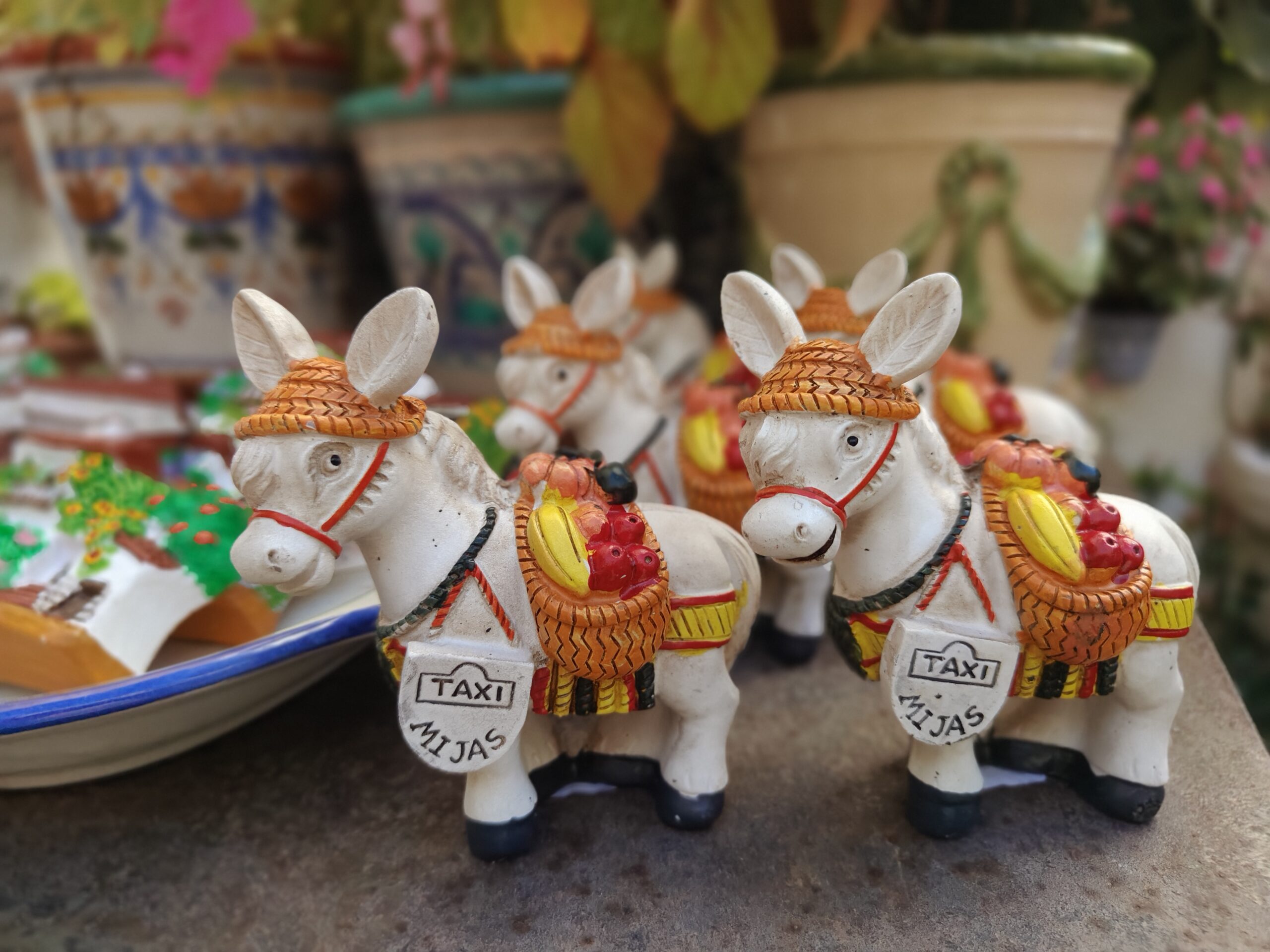
Mijas is also known for its controversial Burro Taxis — donkeys dressed in colorful accessories that serve as tourist rides. This tradition began in the 1960s when visitors started photographing local farmers riding home on donkeys, offering small tips. Over time, these encounters evolved into a tourist attraction. Today, a ride costs €15, while it raises ethical concerns, it remains one of the village’s most iconic (and debated) symbols.
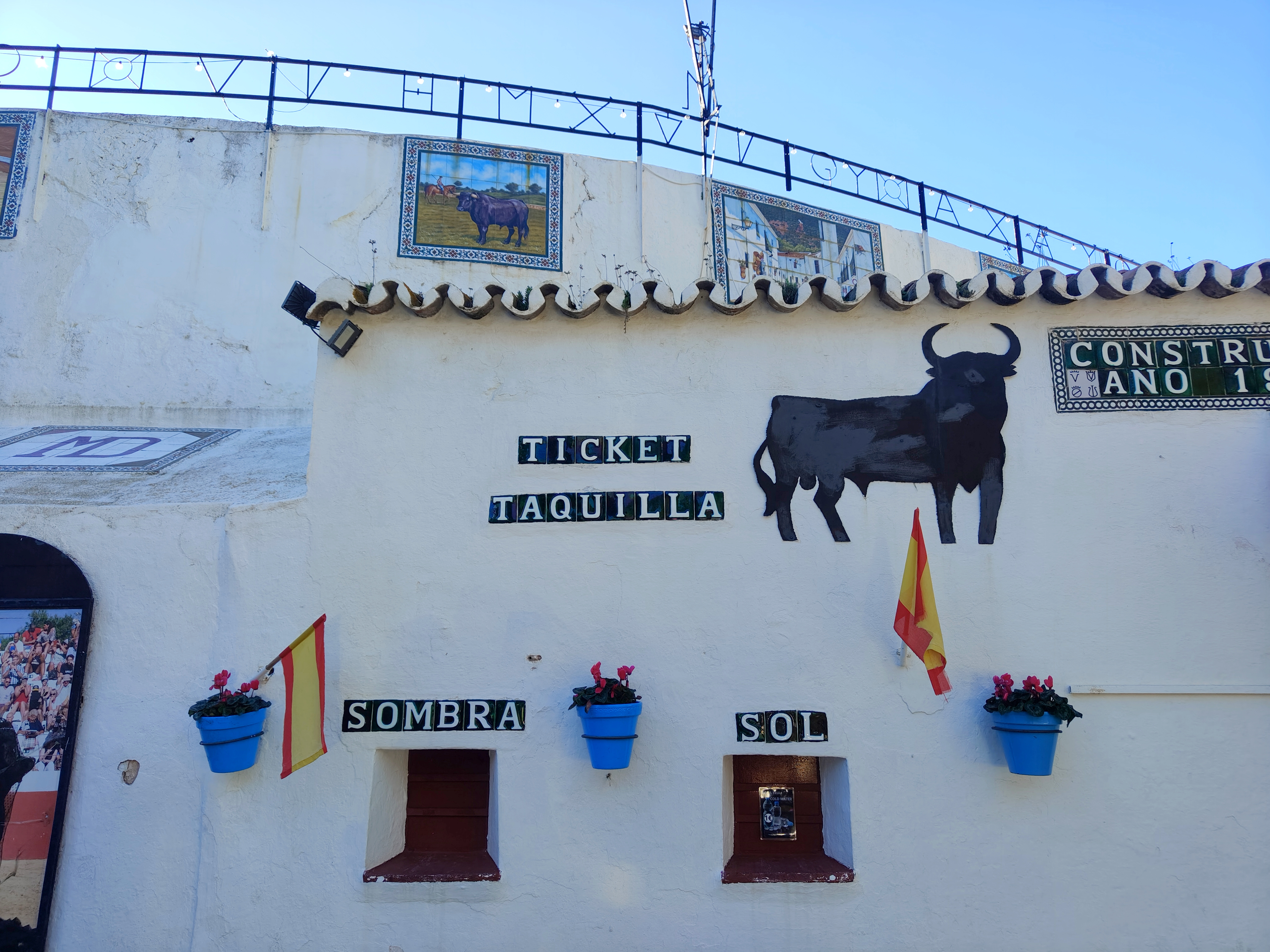
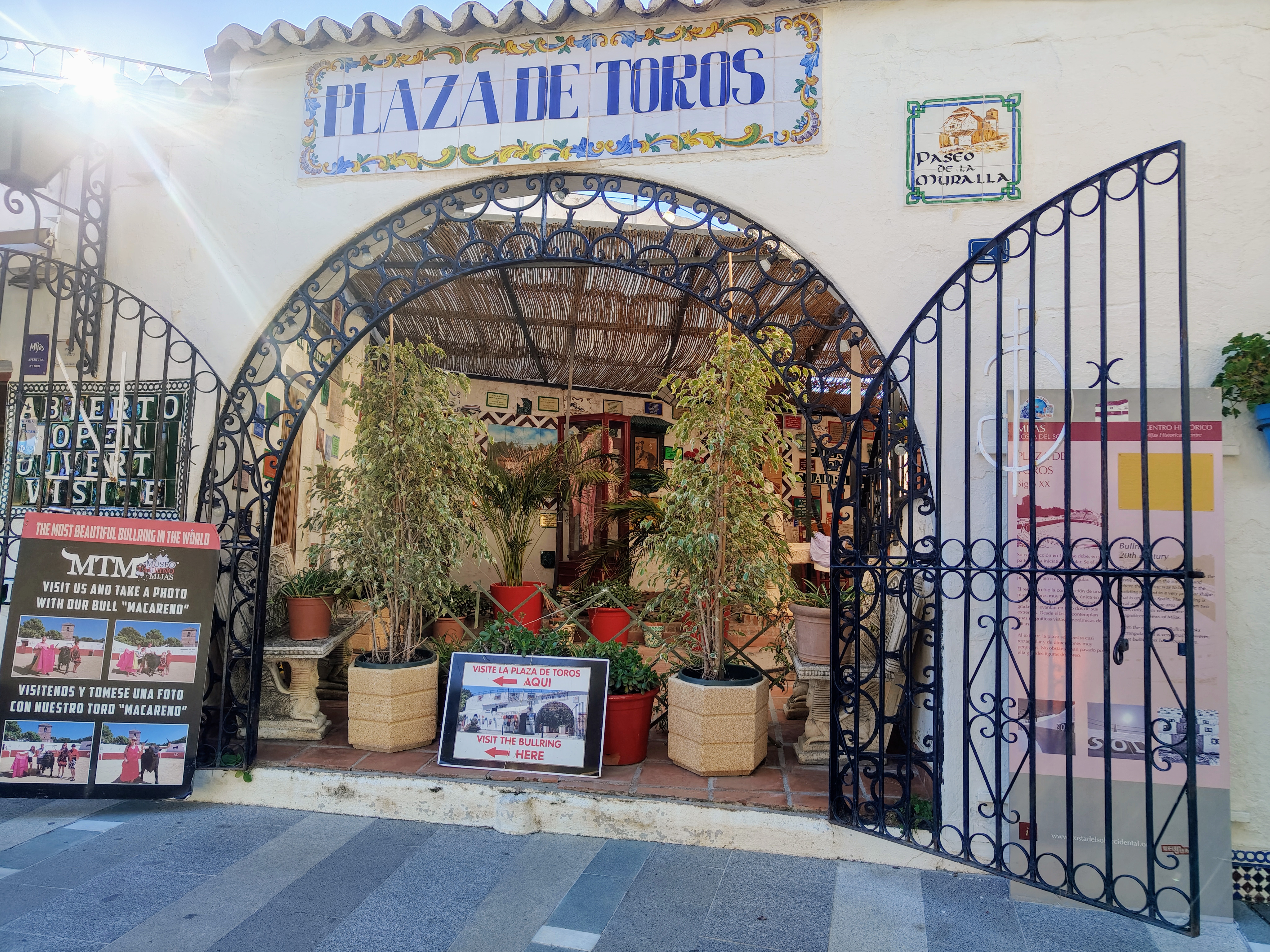
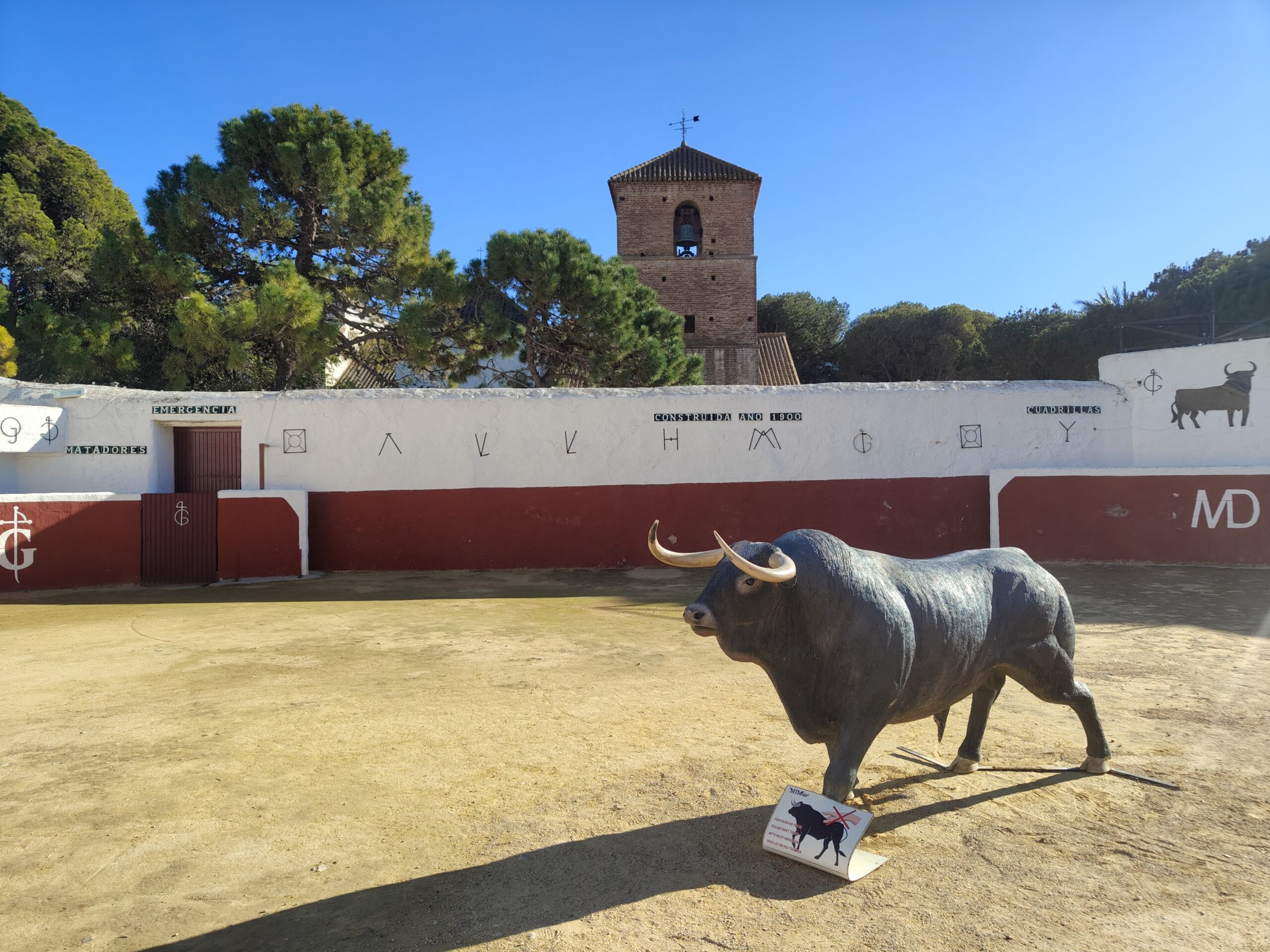
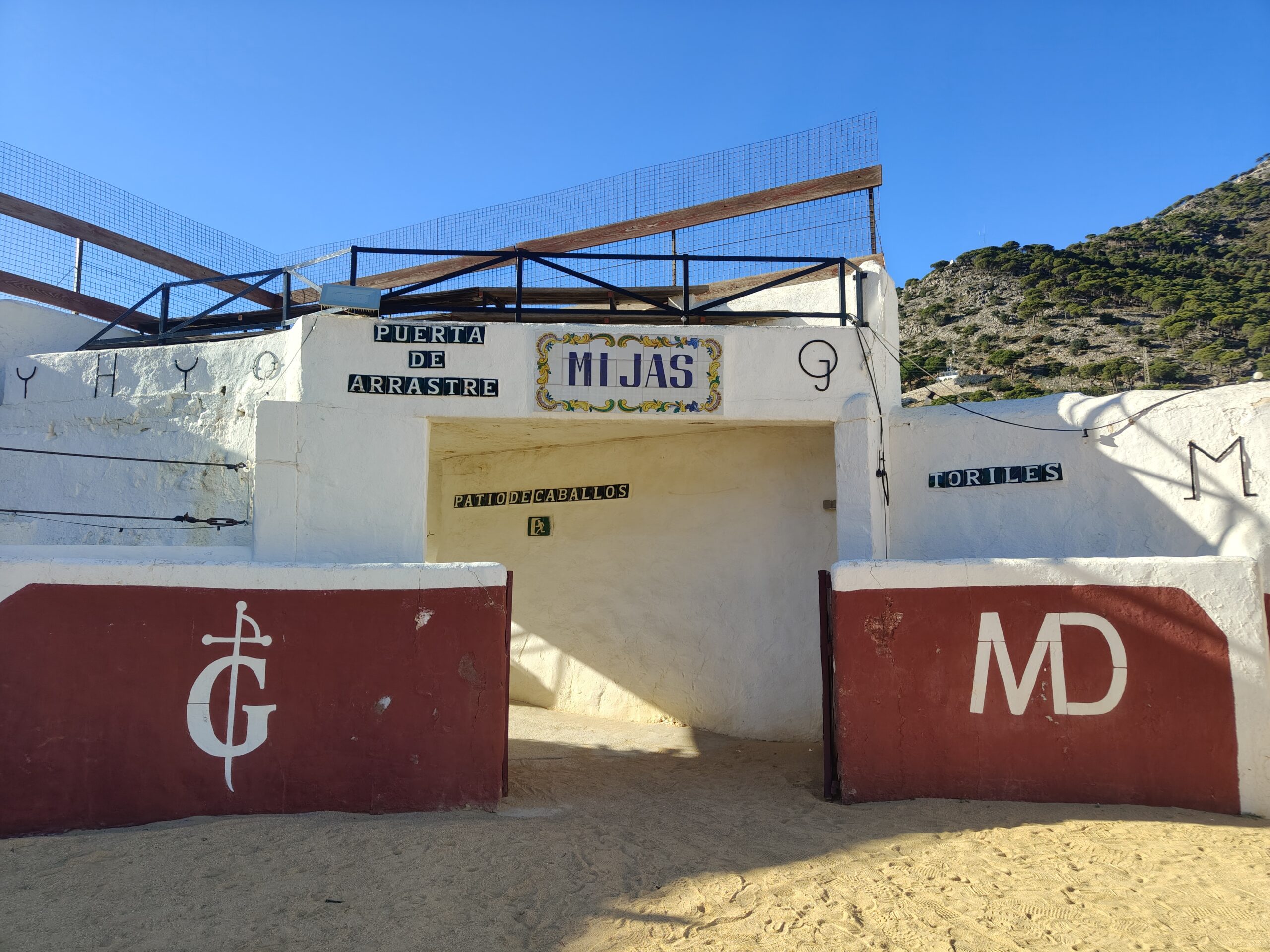
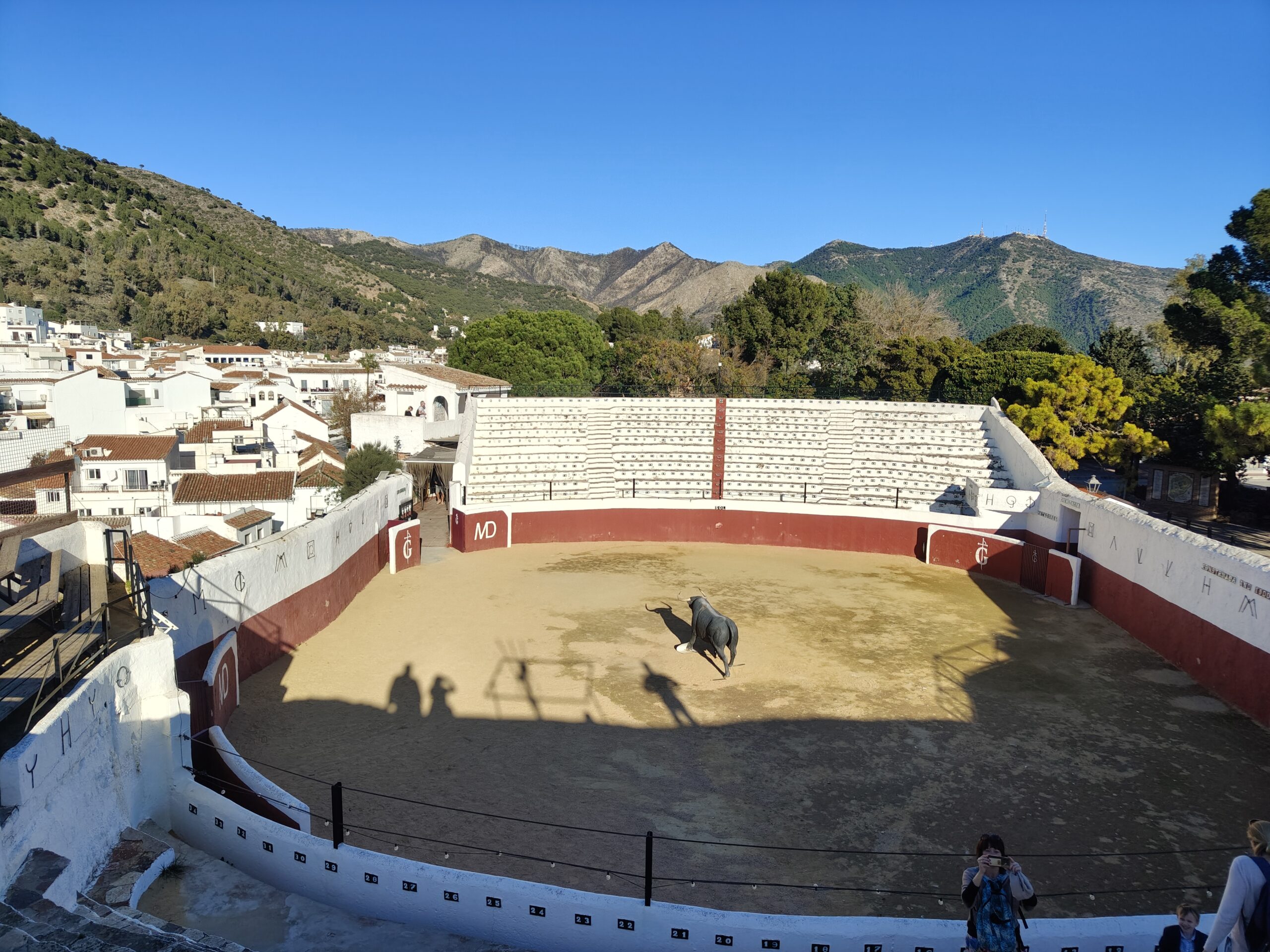
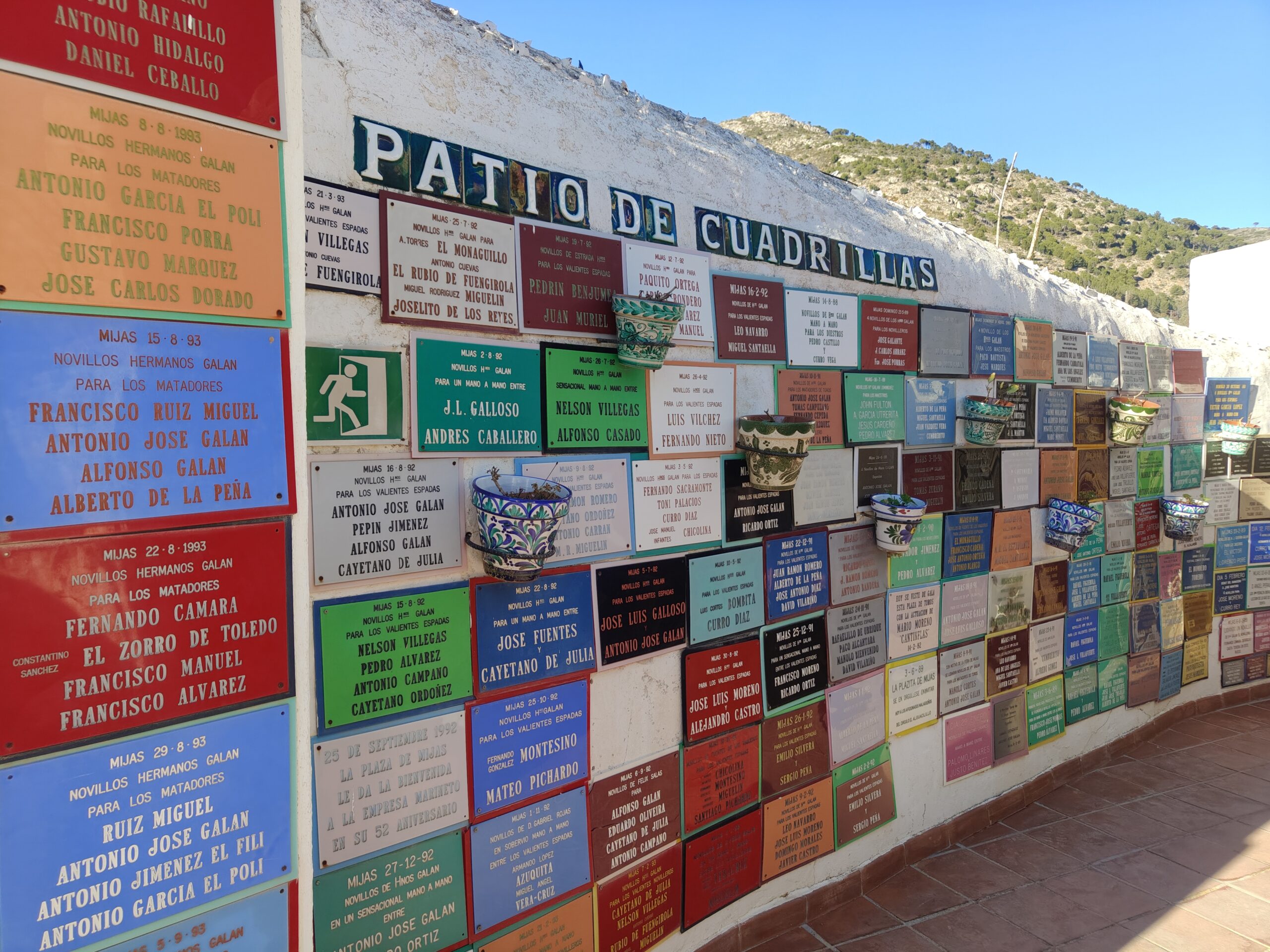
One of Mijas’ most unique attractions is Plaza de Toros — Spain’s third-oldest bullring, built in 1900. Unlike most, this arena is oval-shaped and perched dramatically on a rocky outcrop. While traditional bullfights are now rare, the arena still hosts flamenco shows, Andalusian horse performances, and includes a small museum showcasing the history of bullfighting.
And before you leave — don’t forget to enjoy a cup of excellent coffee at one of the charming cafés in a sunny corner of this unforgettable village.
Gibraltar – A Little Piece of England at the Edge of Europe
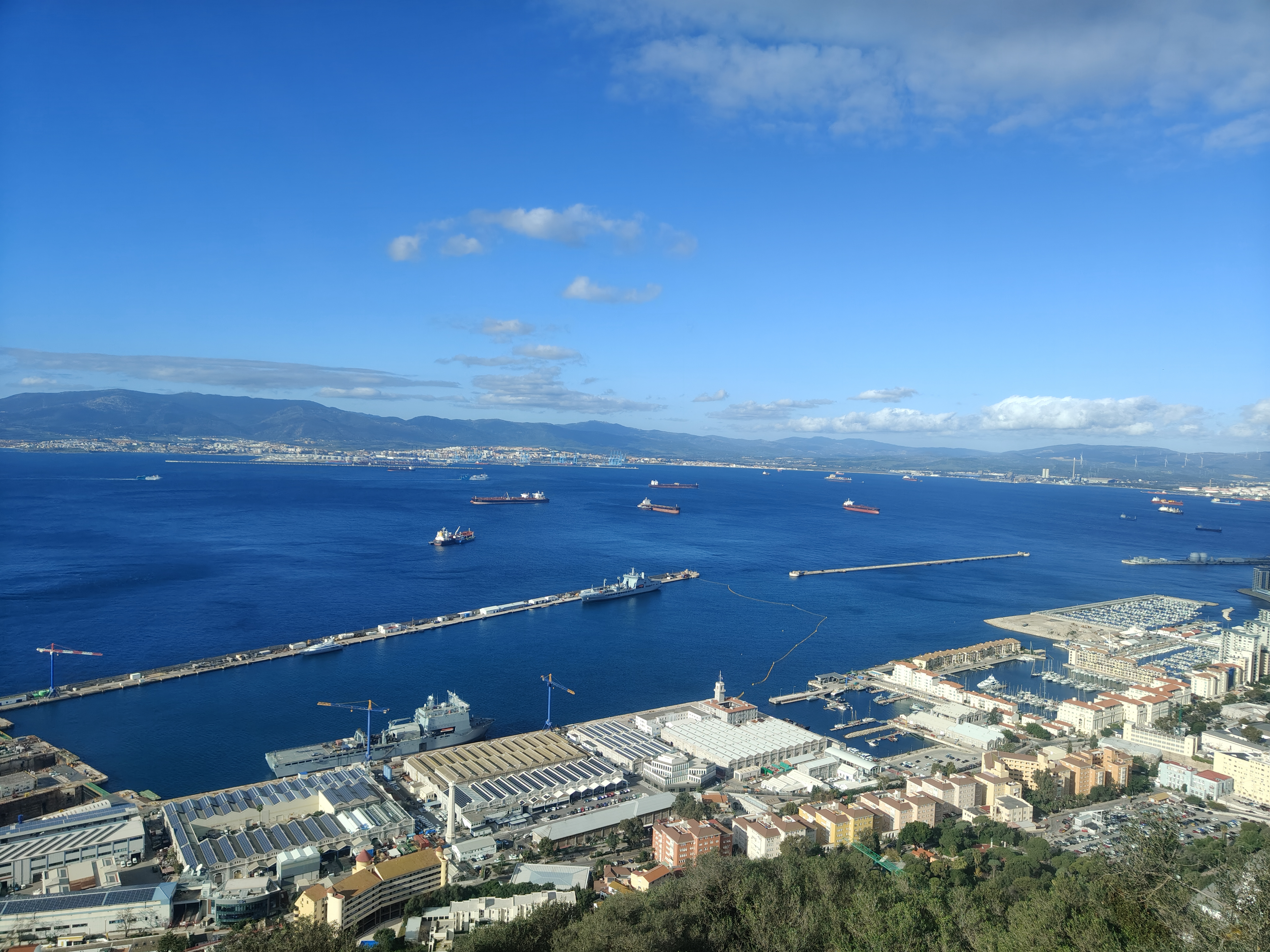
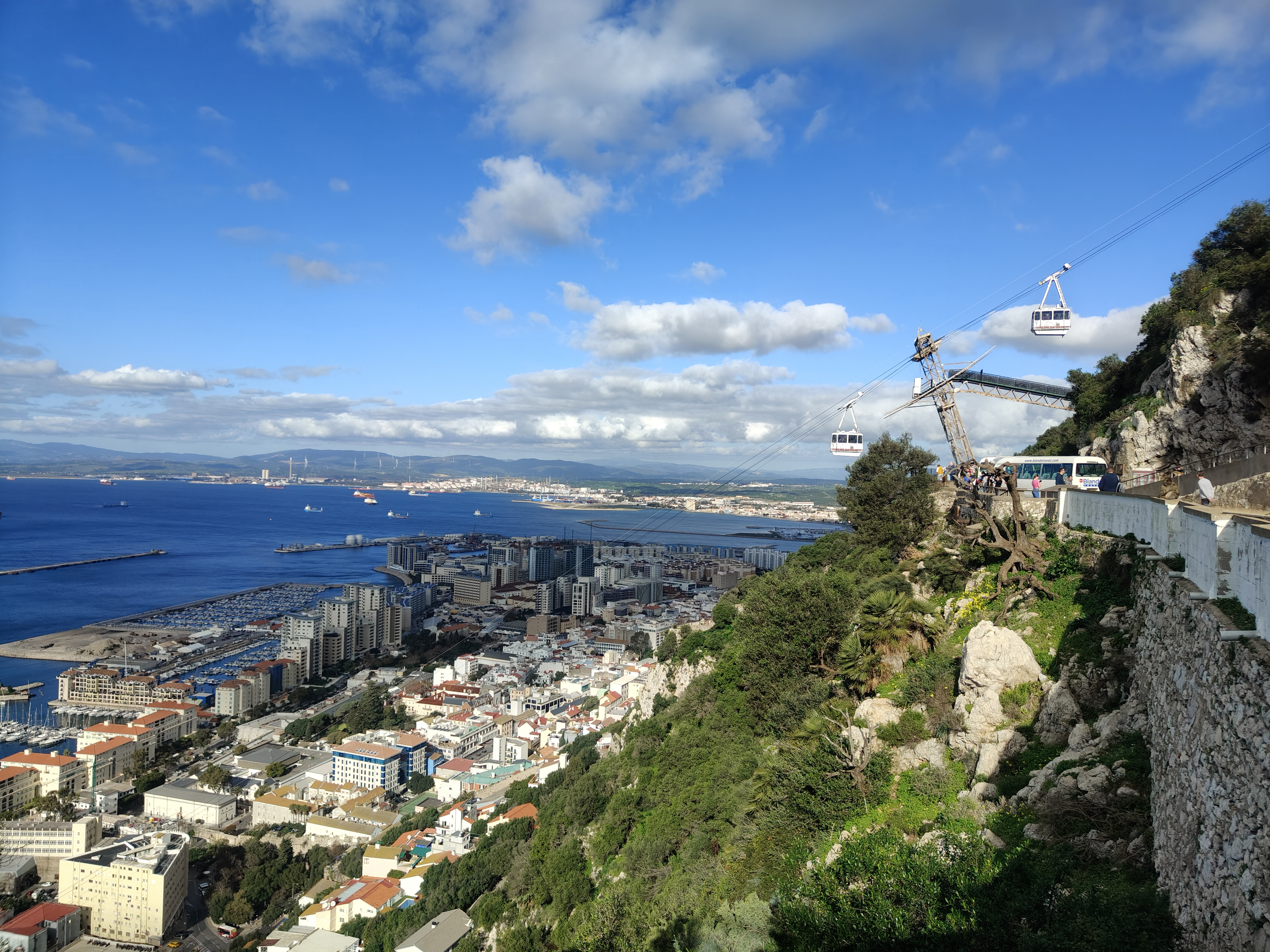
Our trip to Gibraltar was one of those experiences that stays with you for a long time. Even the location itself is impressive – right where the Strait of Gibraltar connects the Mediterranean Sea with the Atlantic Ocean, and where Europe nearly touches Africa.
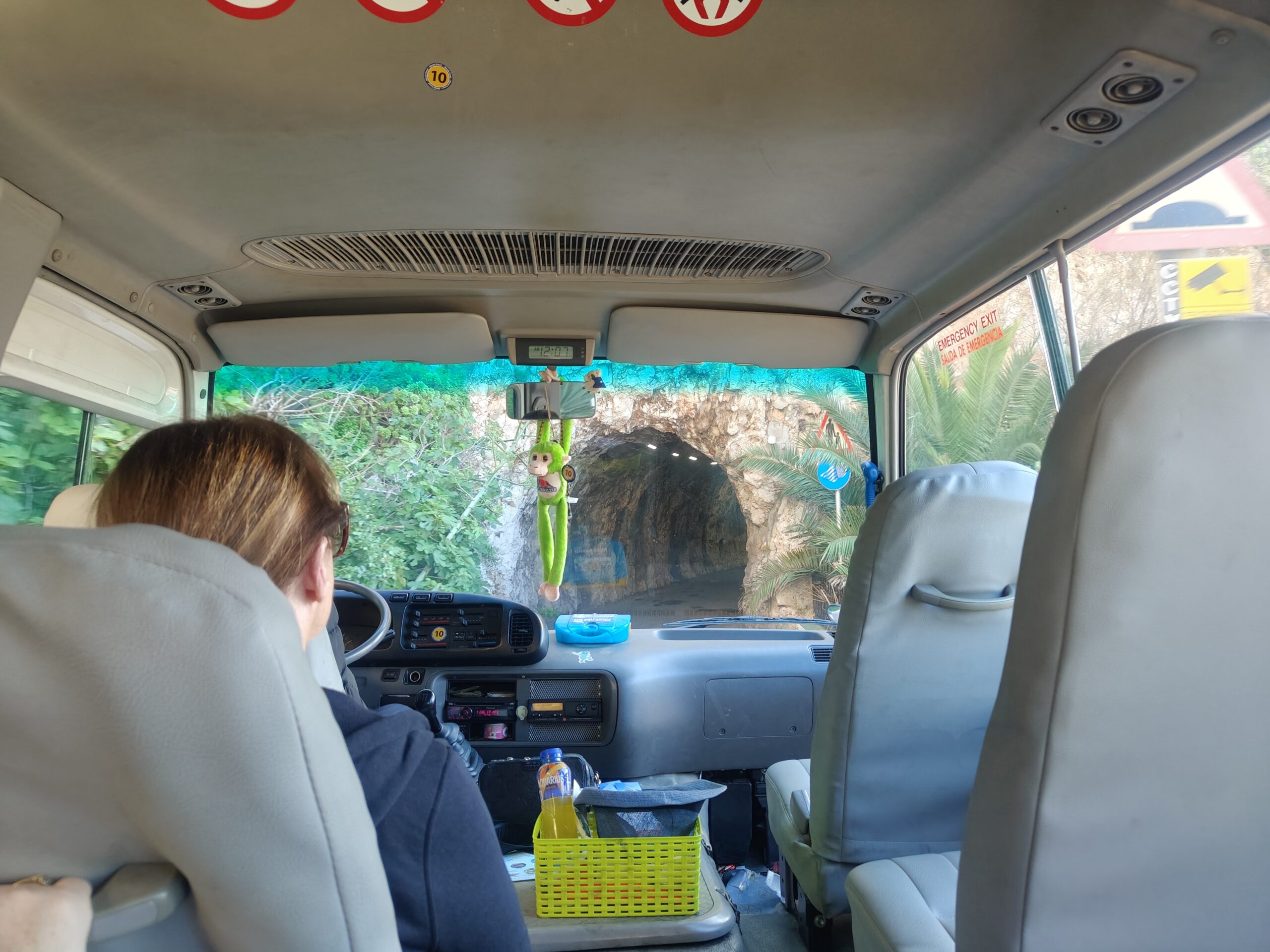
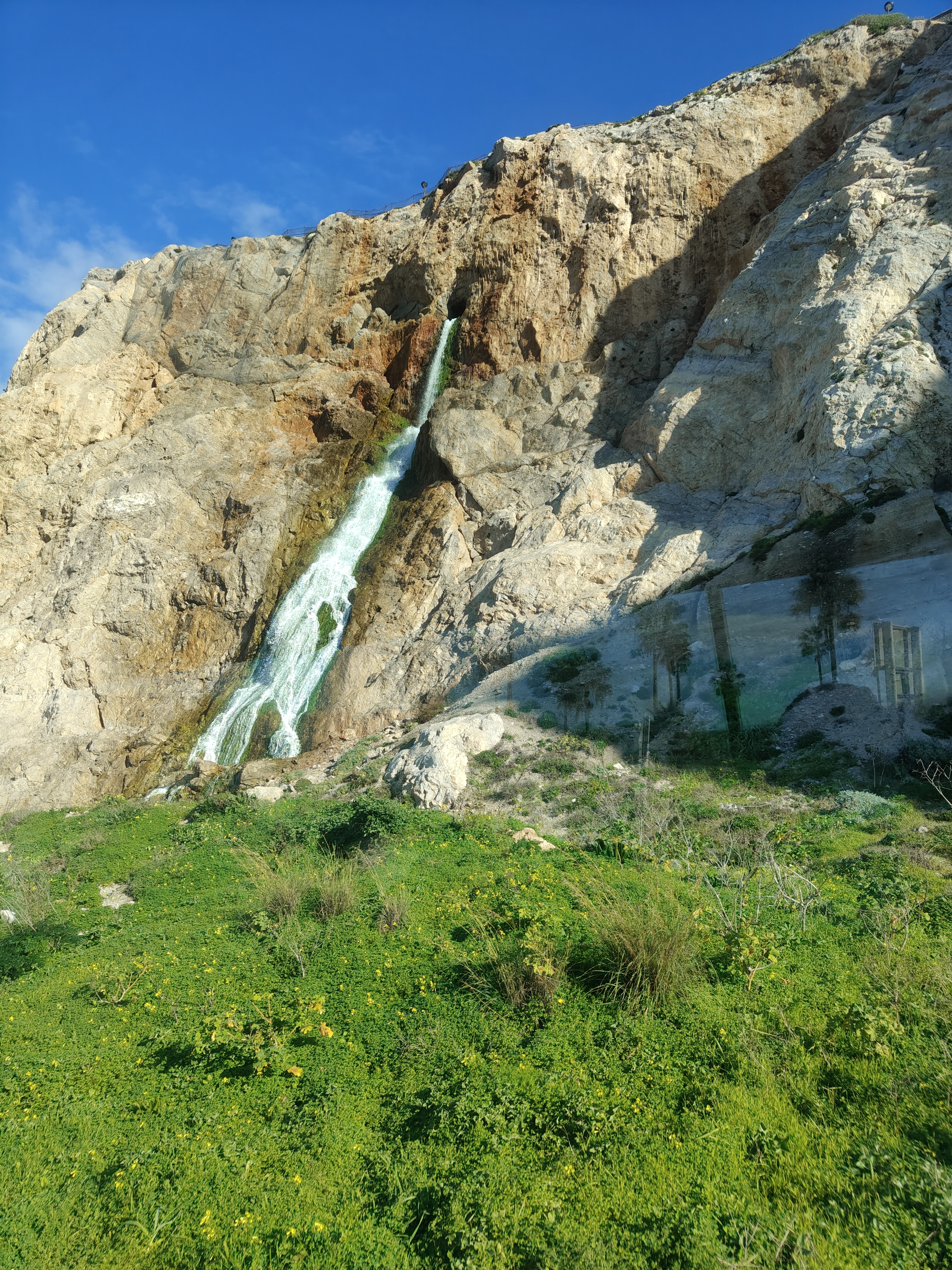
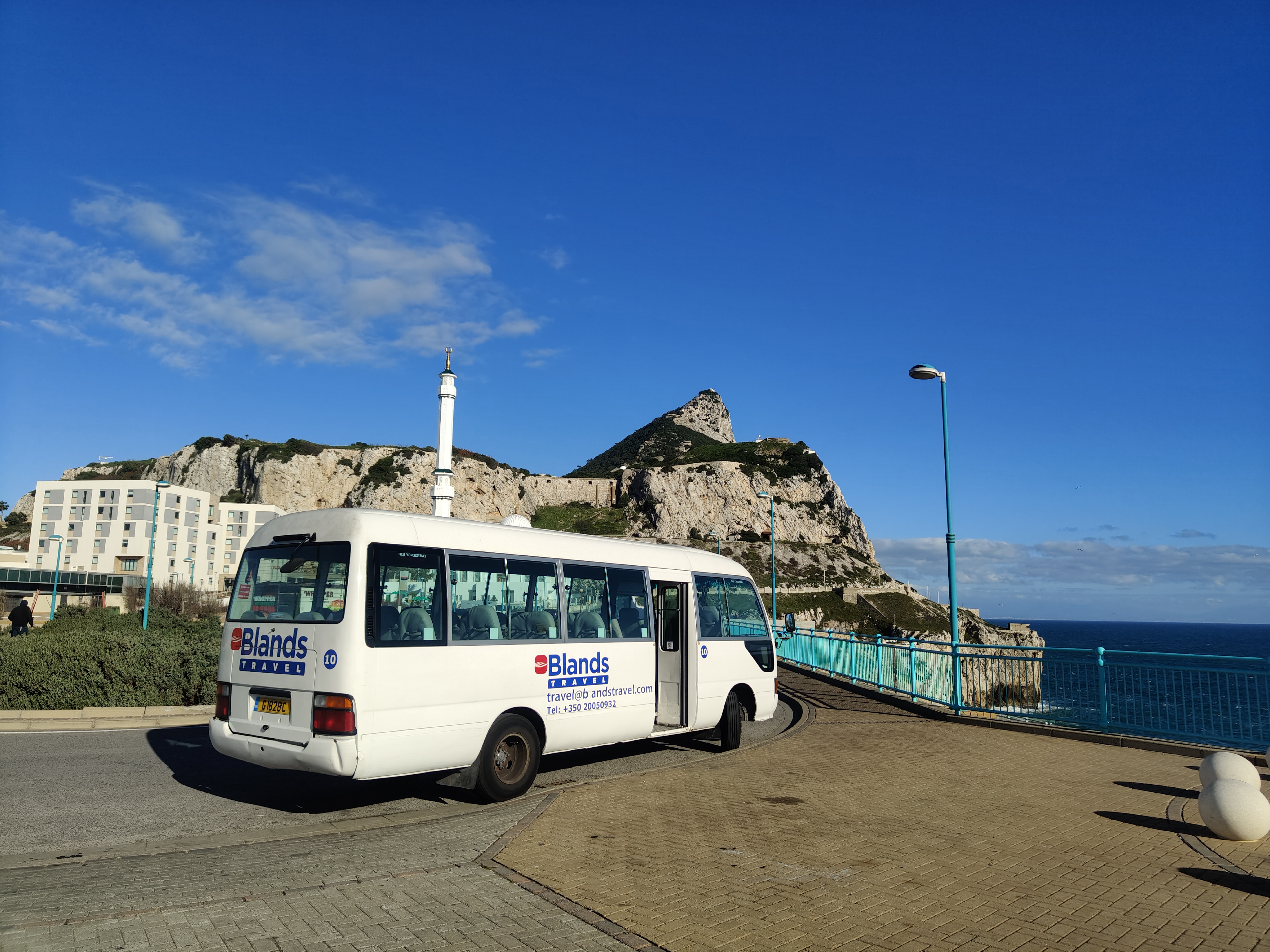
The most iconic landmark of Gibraltar is, of course, the Rock of Gibraltar – a majestic limestone formation rising 426 meters above sea level. Normally, you can take a cable car to the top, but unfortunately, it was out of service during our visit. Instead, we opted for a guided minibus tour – a great alternative that let us see most of the main highlights without too much effort.
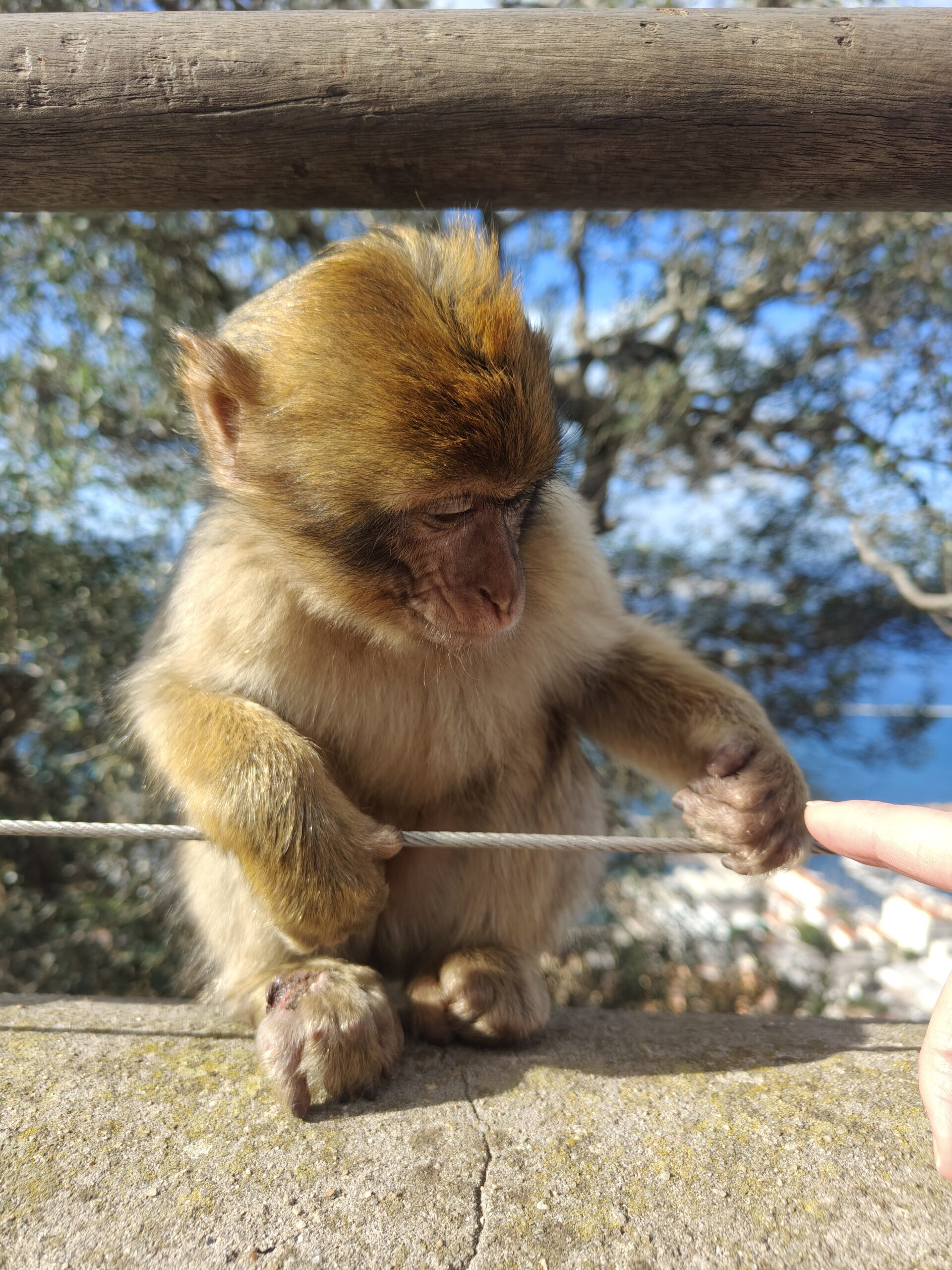
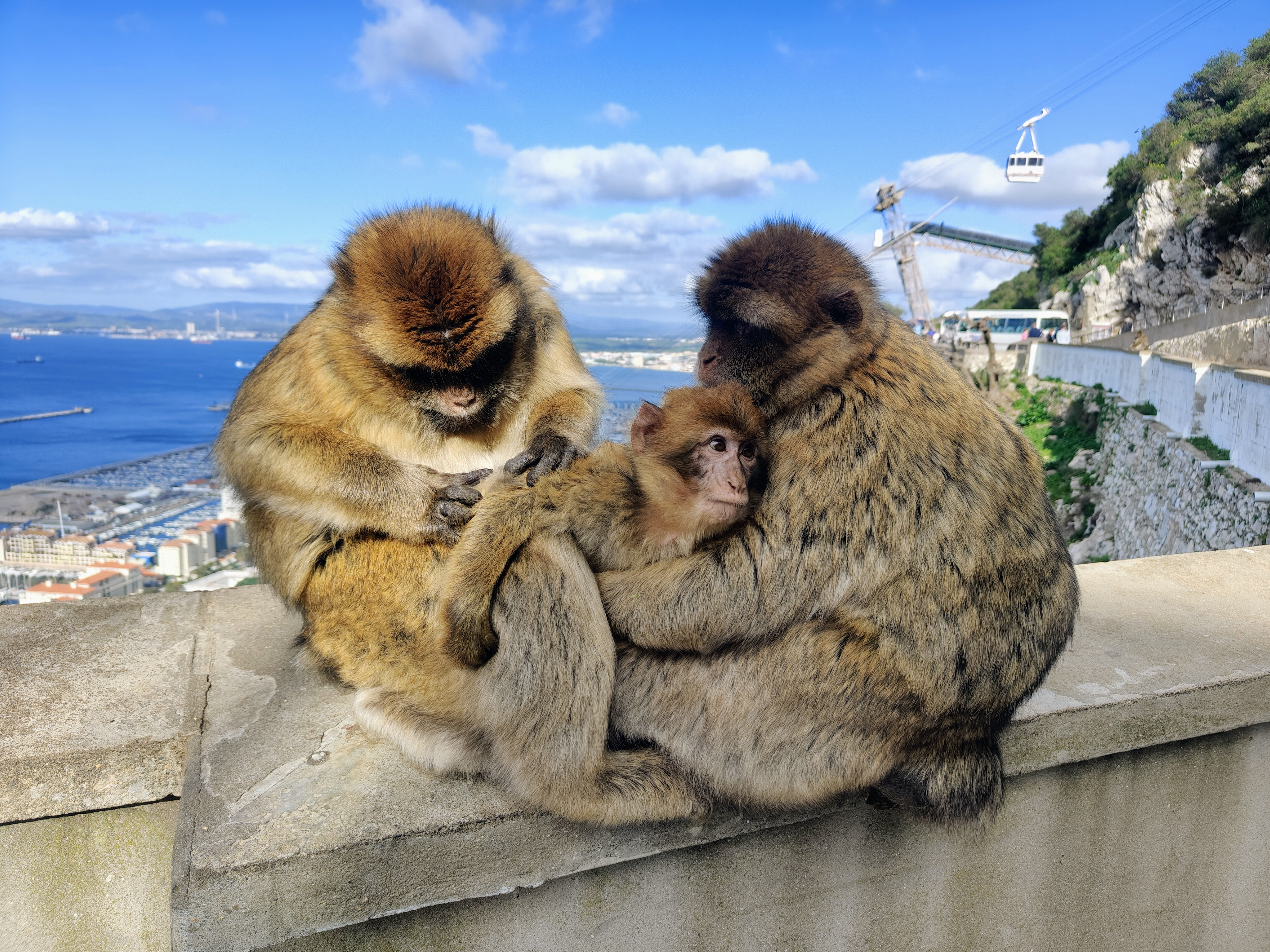
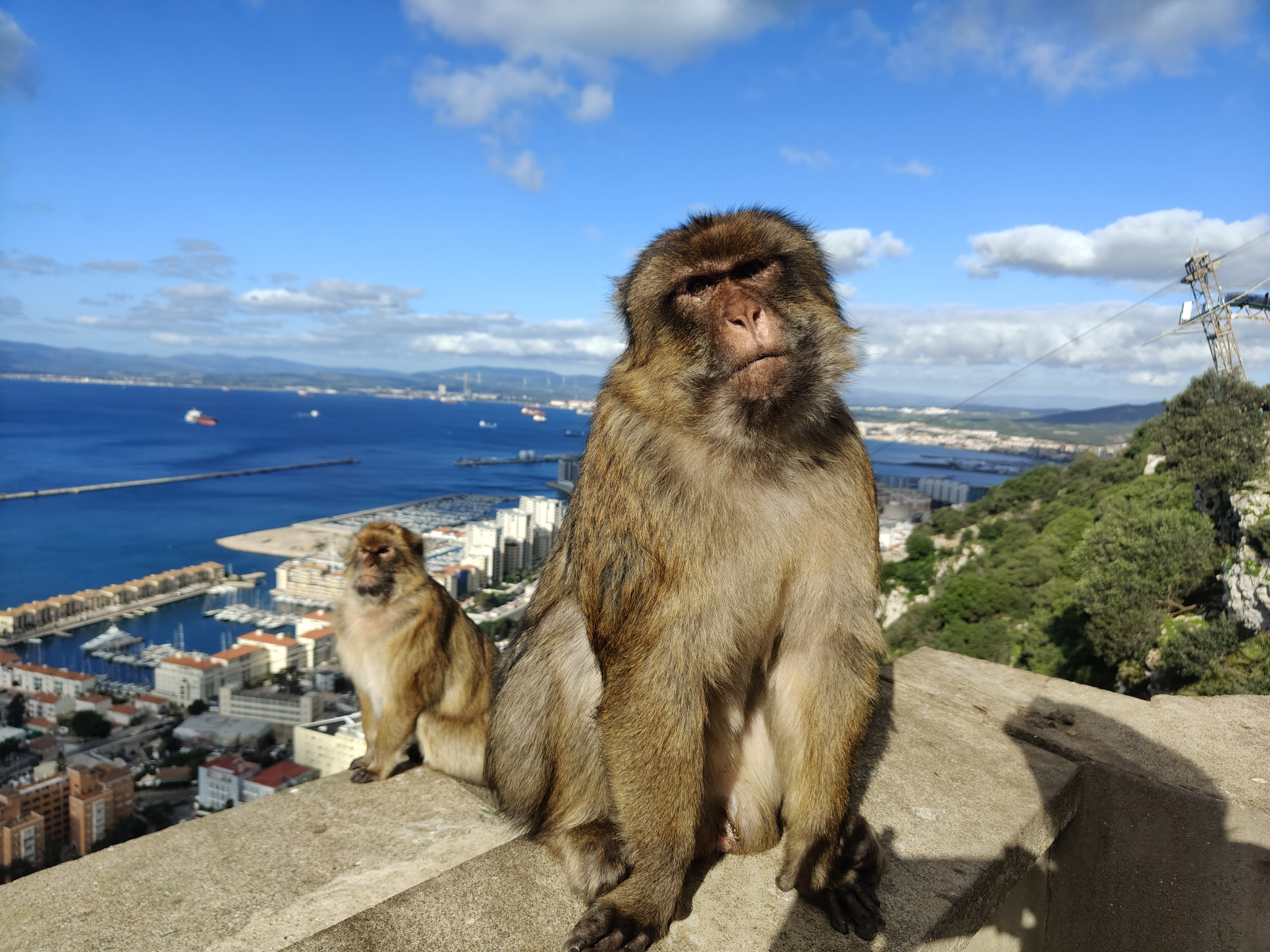
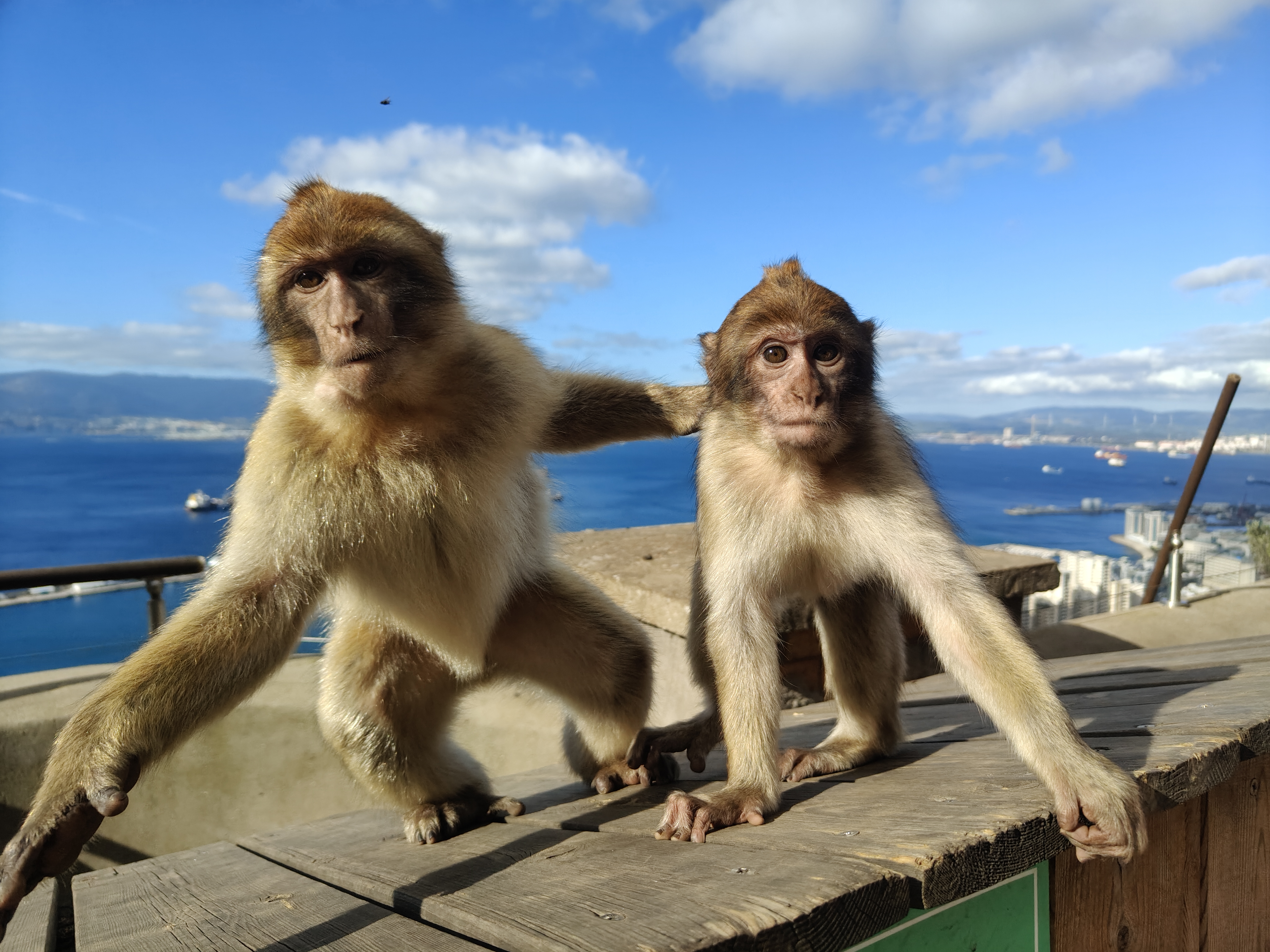
The Rock is home to over 300 wild Barbary macaques, and I must say – they completely stole my heart! As cute as they look, they’re surprisingly clever and not shy about stealing food, phones, or cameras. We made sure to leave all our belongings in the minibus before meeting them up close.
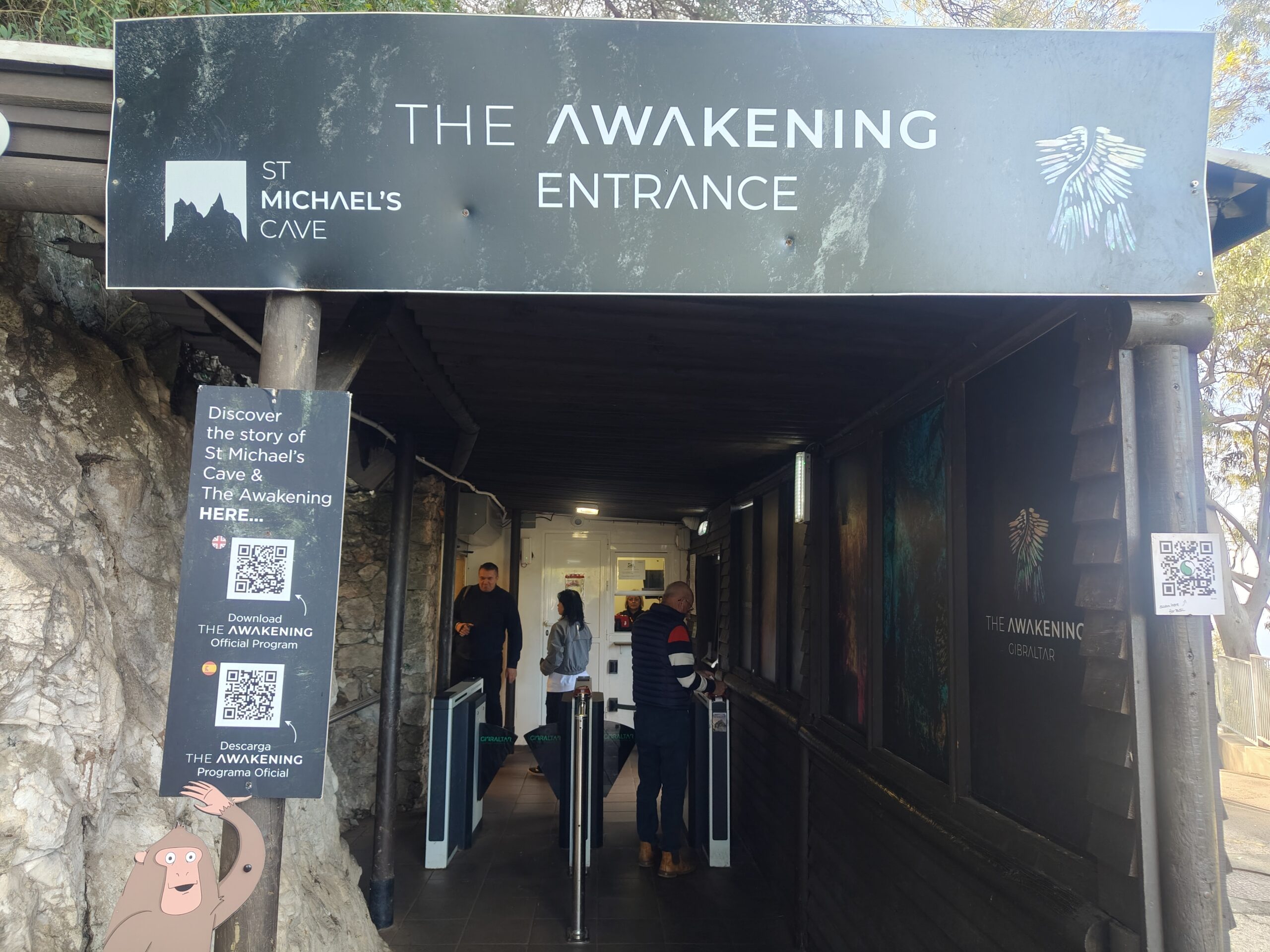
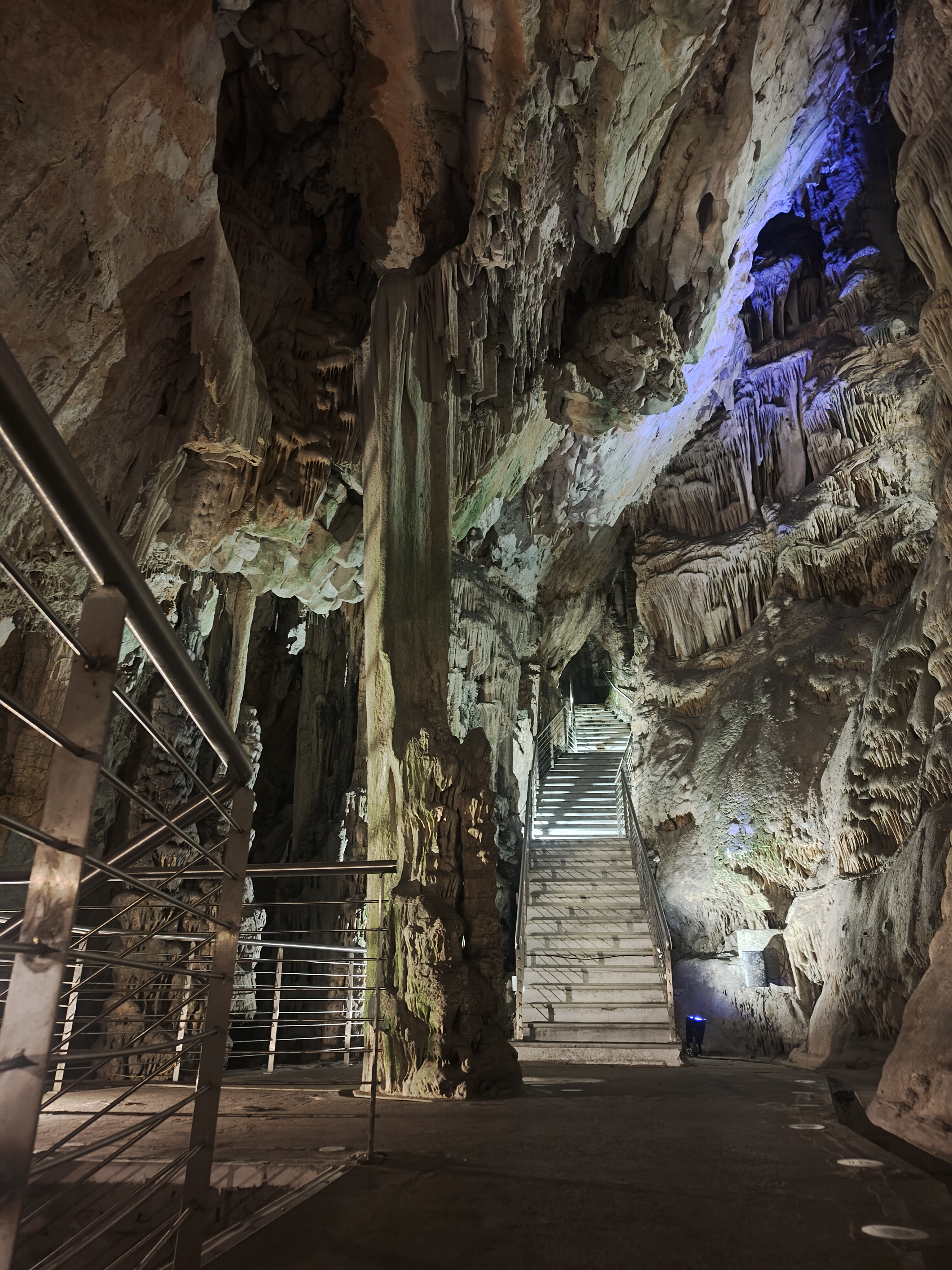
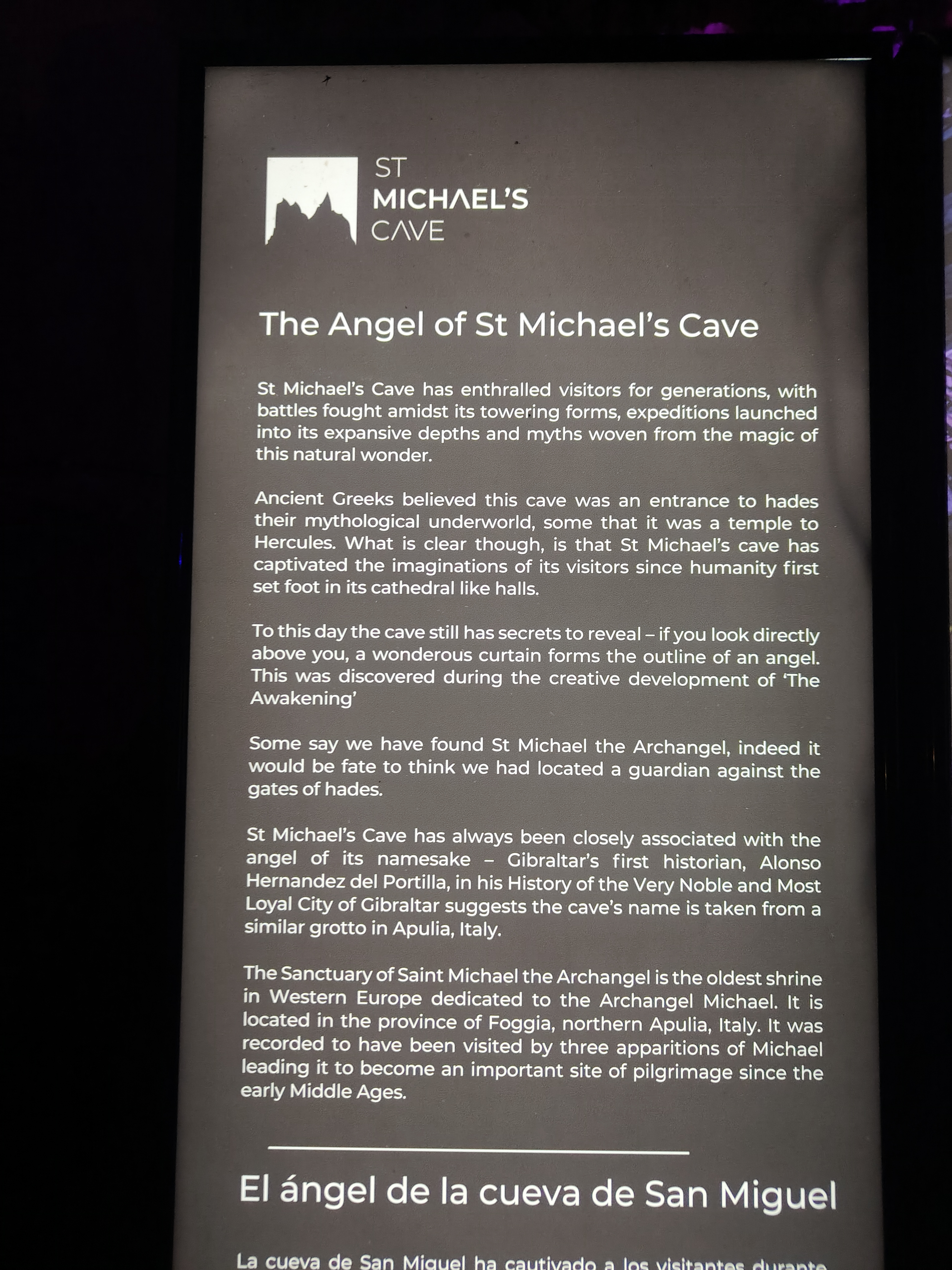
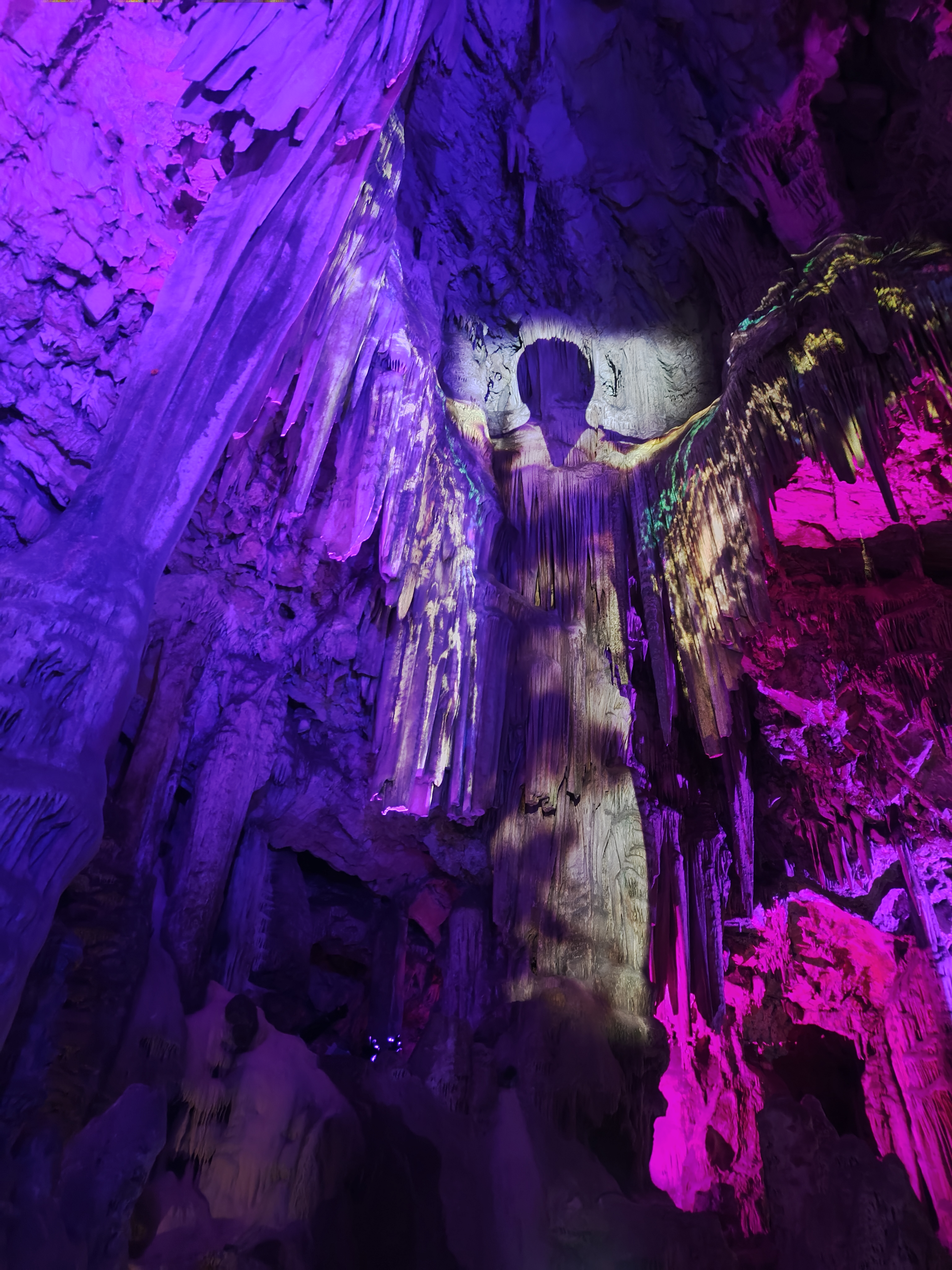
During our two-hour tour, we visited the Upper Rock Nature Reserve, the viewpoint at Europa Point, and the absolutely breathtaking St. Michael’s Cave. That last one left a big impression on me – filled with colorful lights and stunning rock formations. These days it serves as a concert venue, but long ago it was inhabited by… Neanderthals!
Europa Point – A View Across the Continents
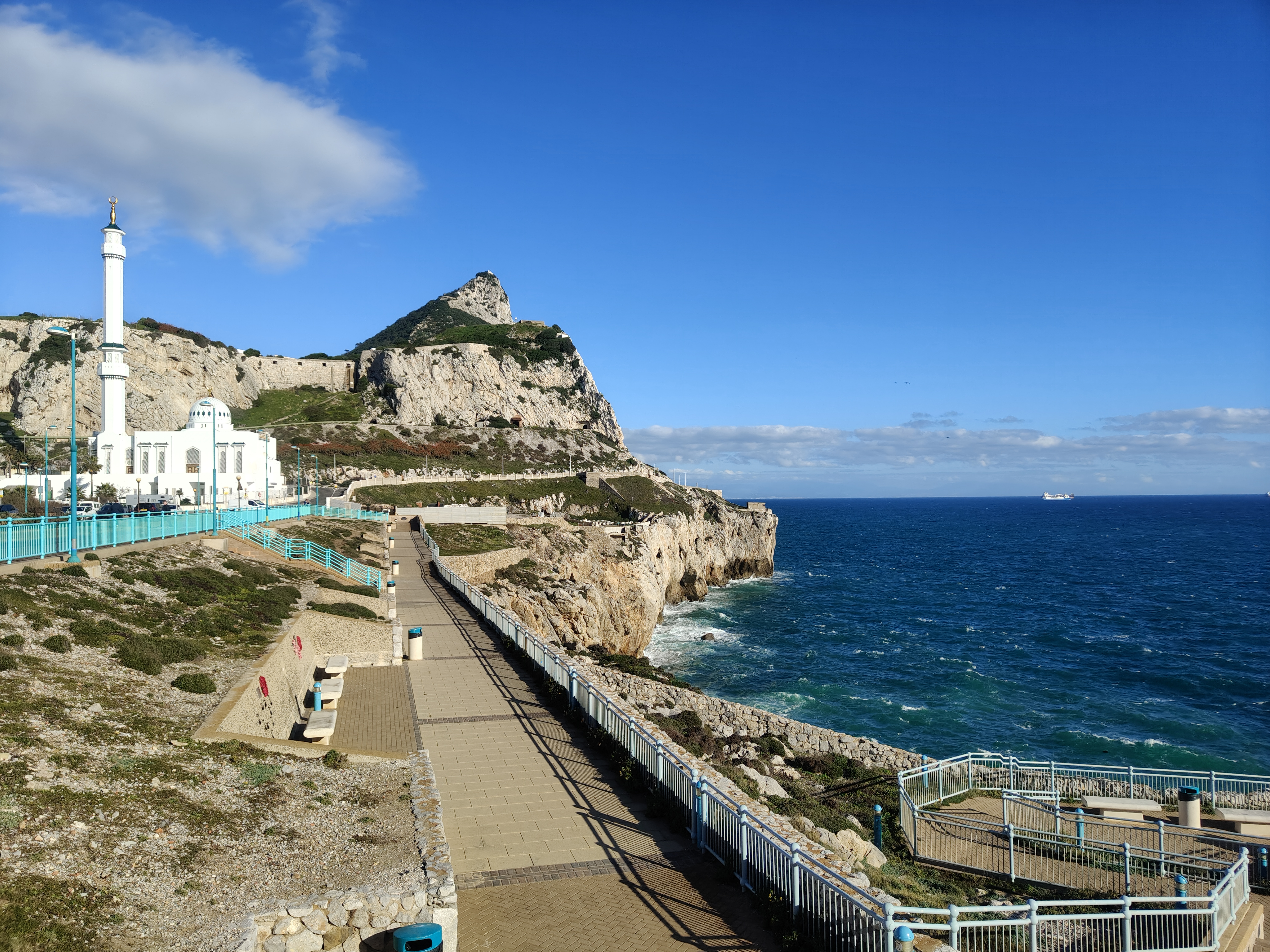
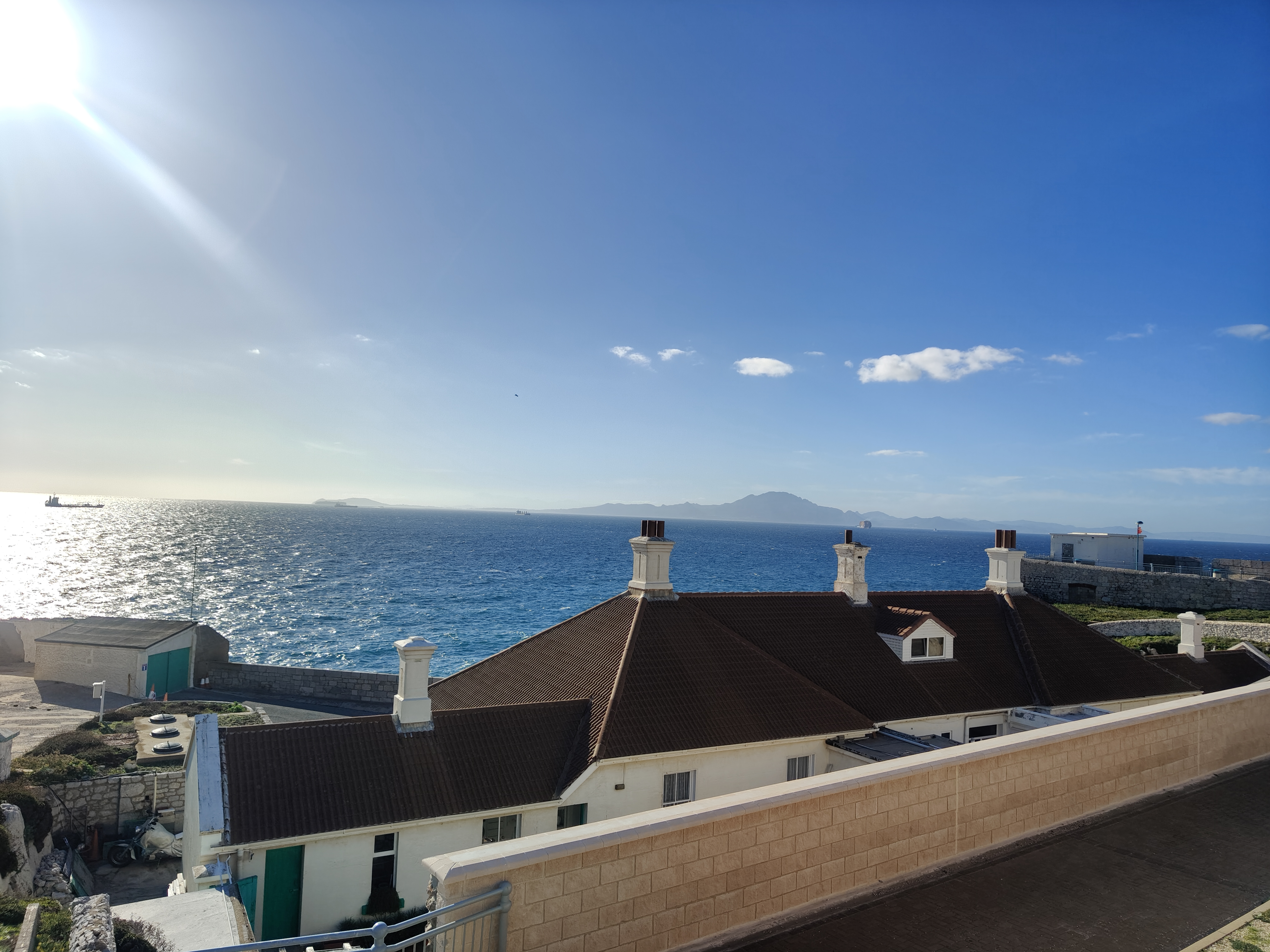

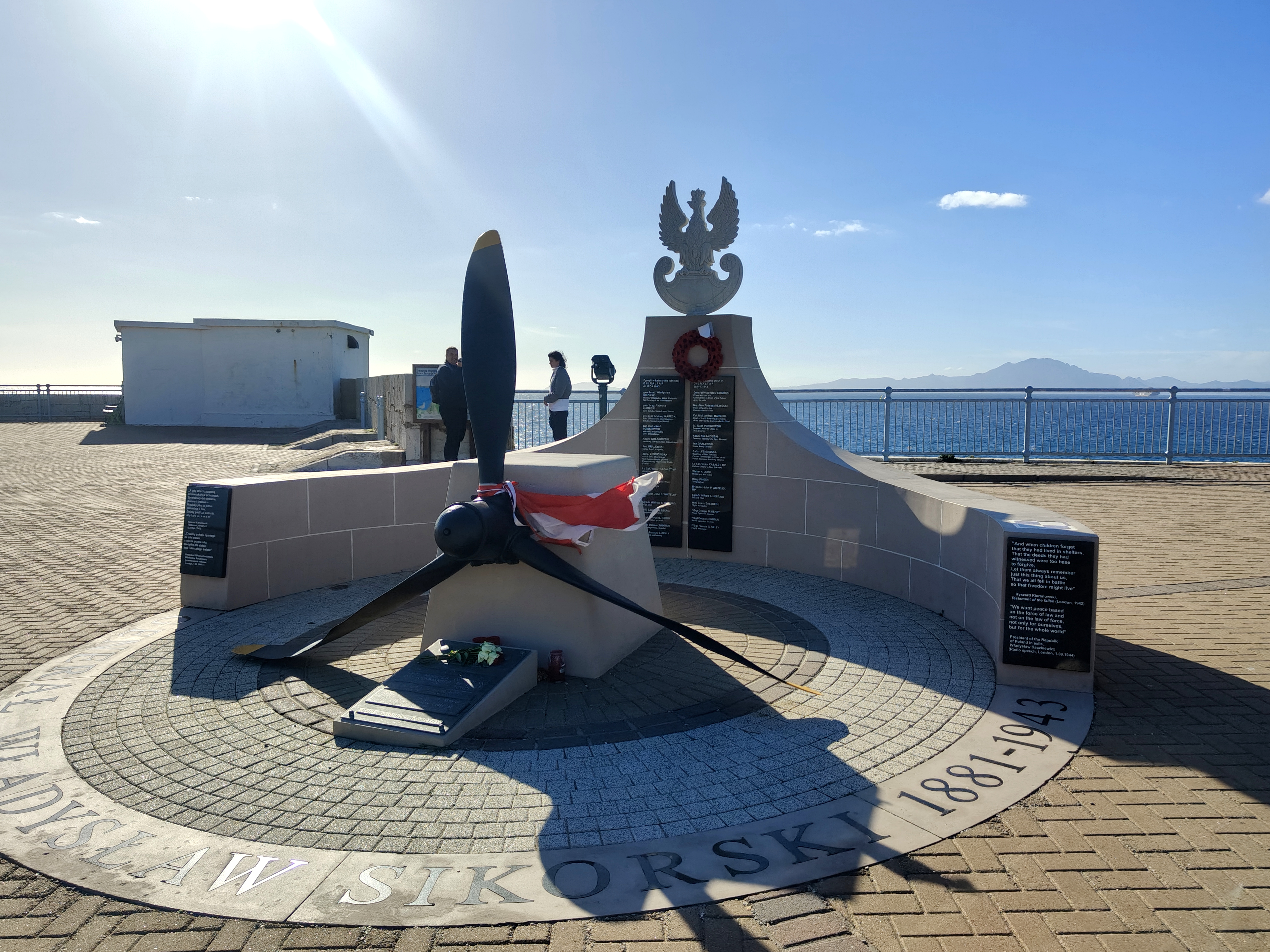
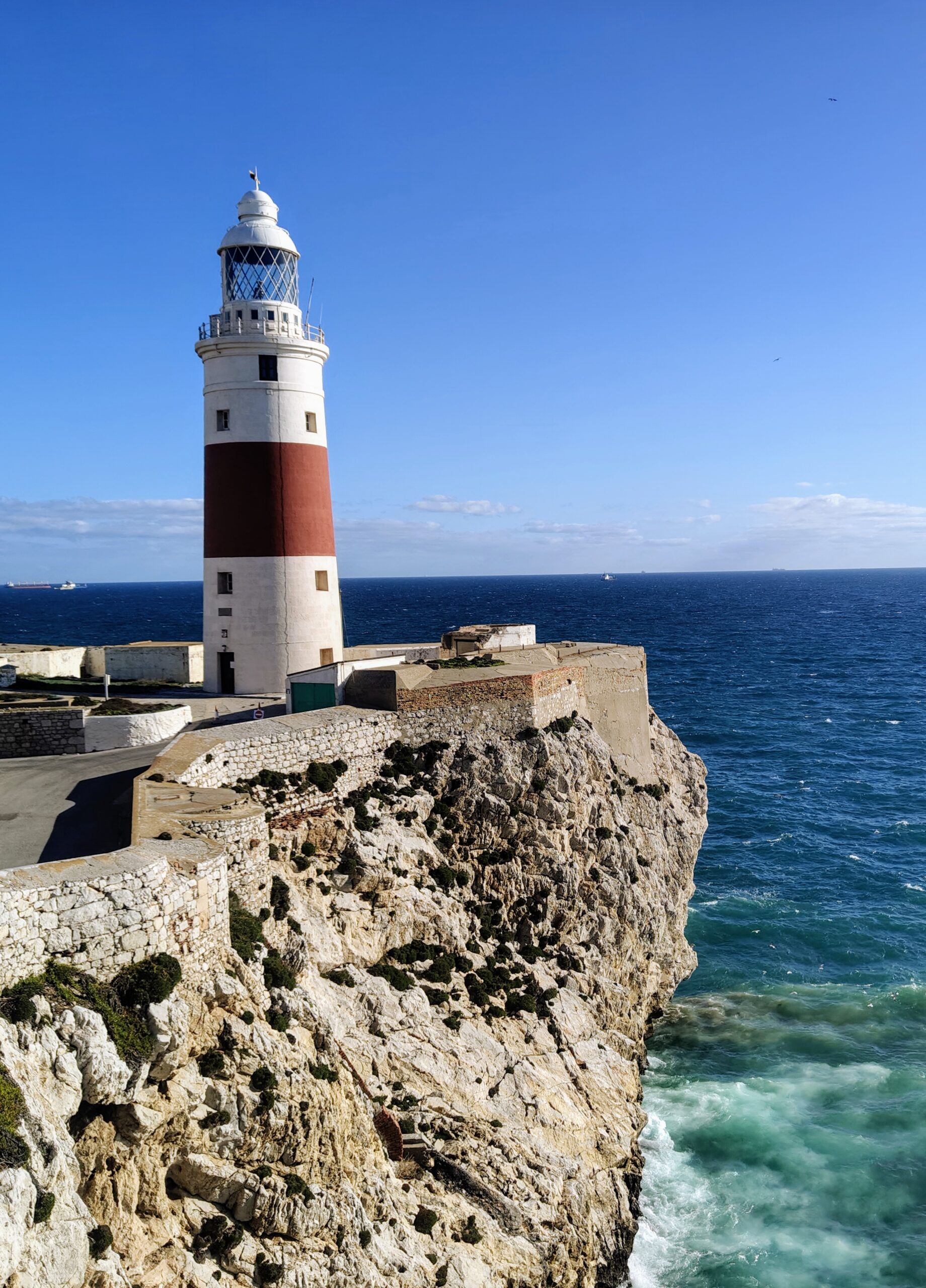

One of my favorite spots was also Europa Point – the southernmost tip of Gibraltar, where you get a panoramic view of the Strait and, if the weather’s right, you can even spot the African coastline (and yes, we did!). The site also features a monument to Polish General Władysław Sikorski and a beautiful classic British lighthouse.
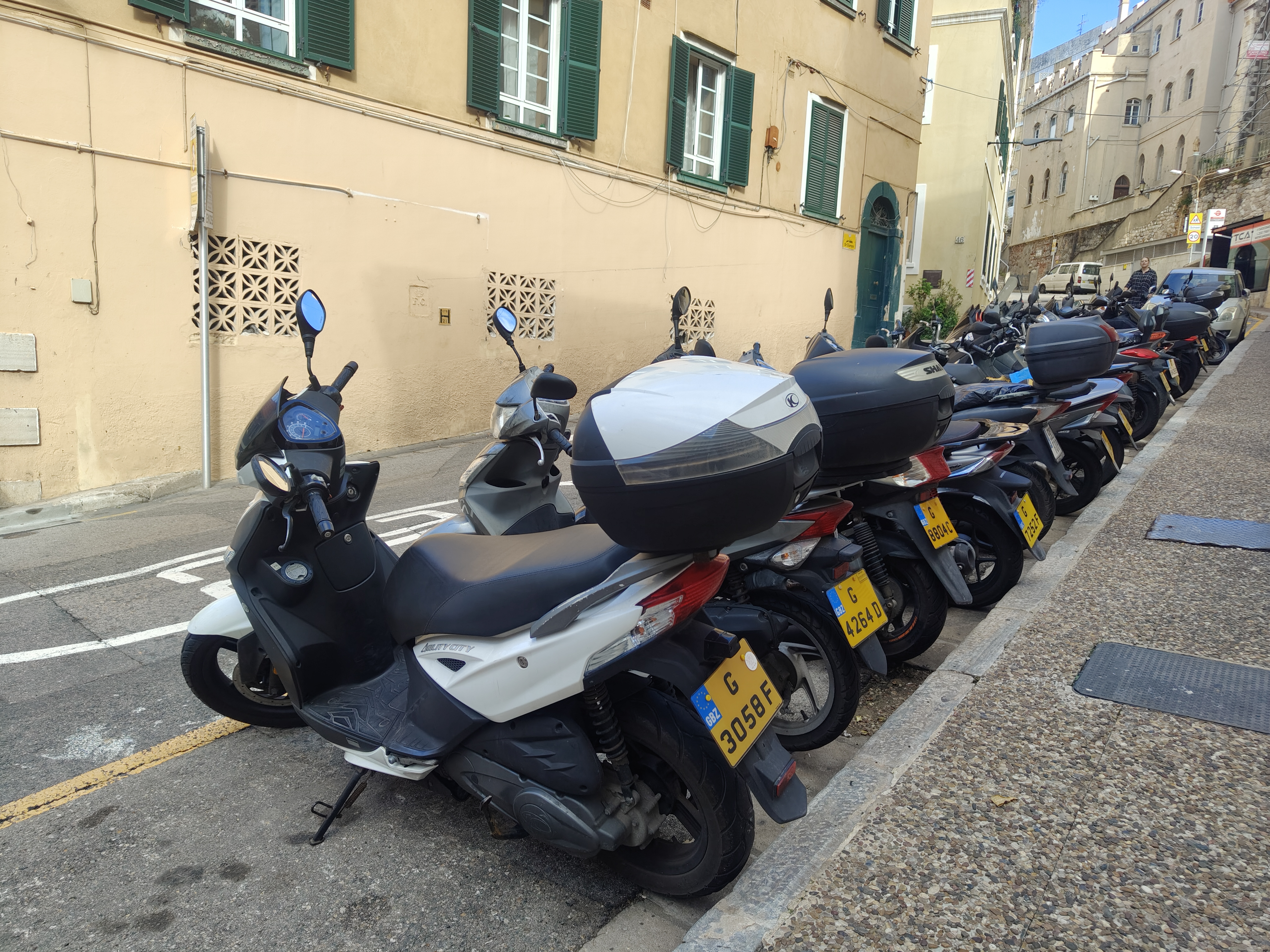
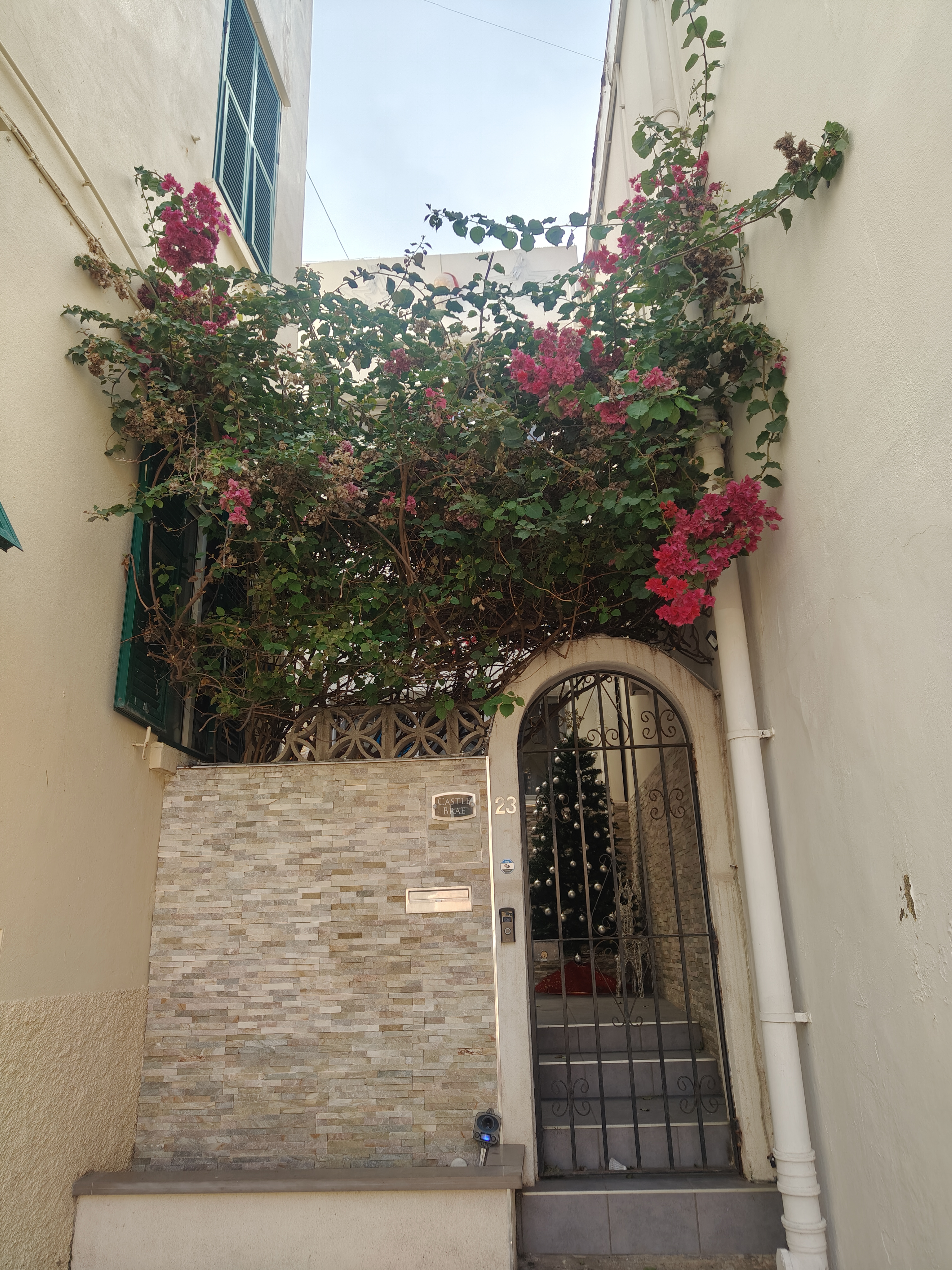

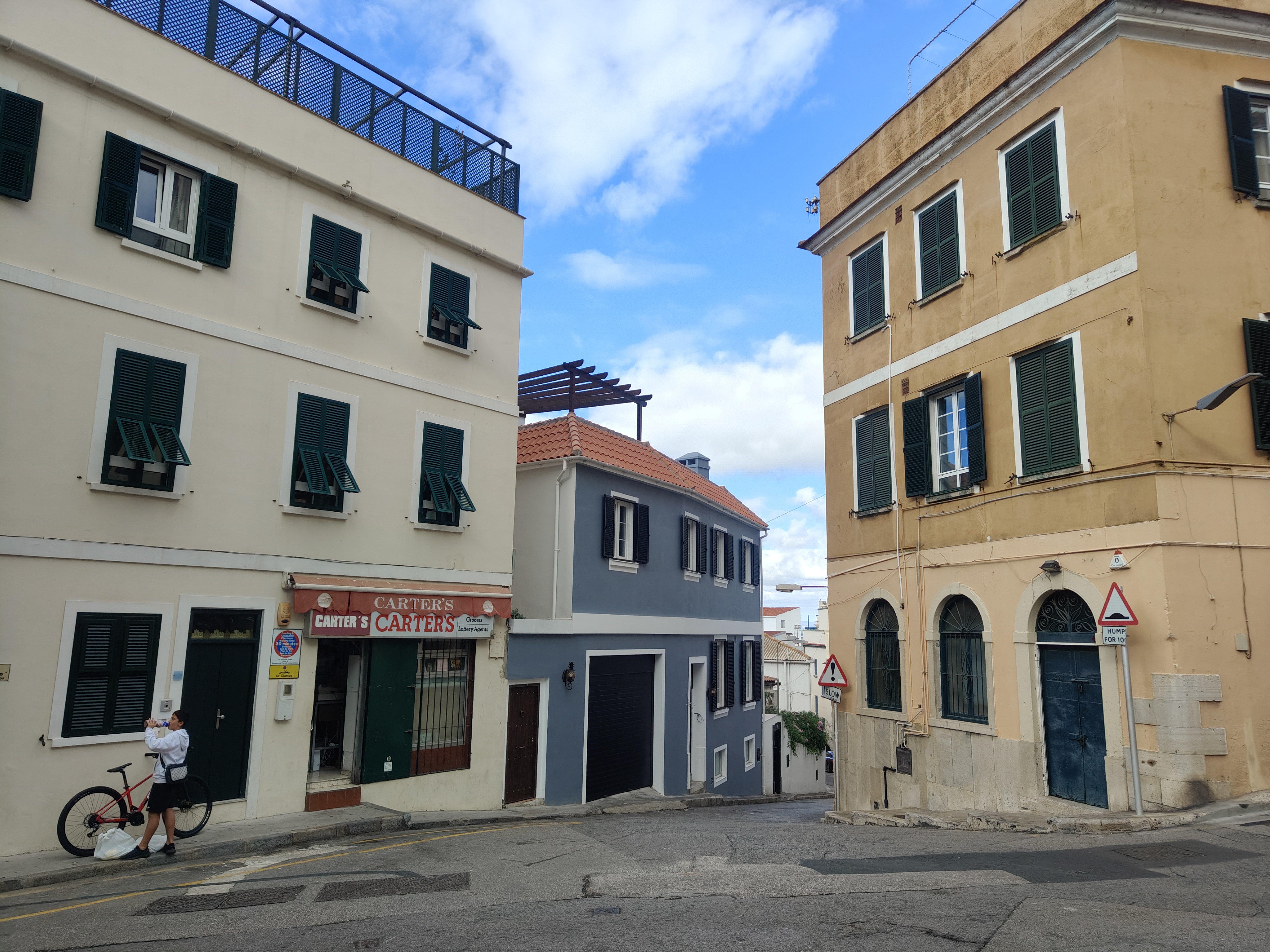
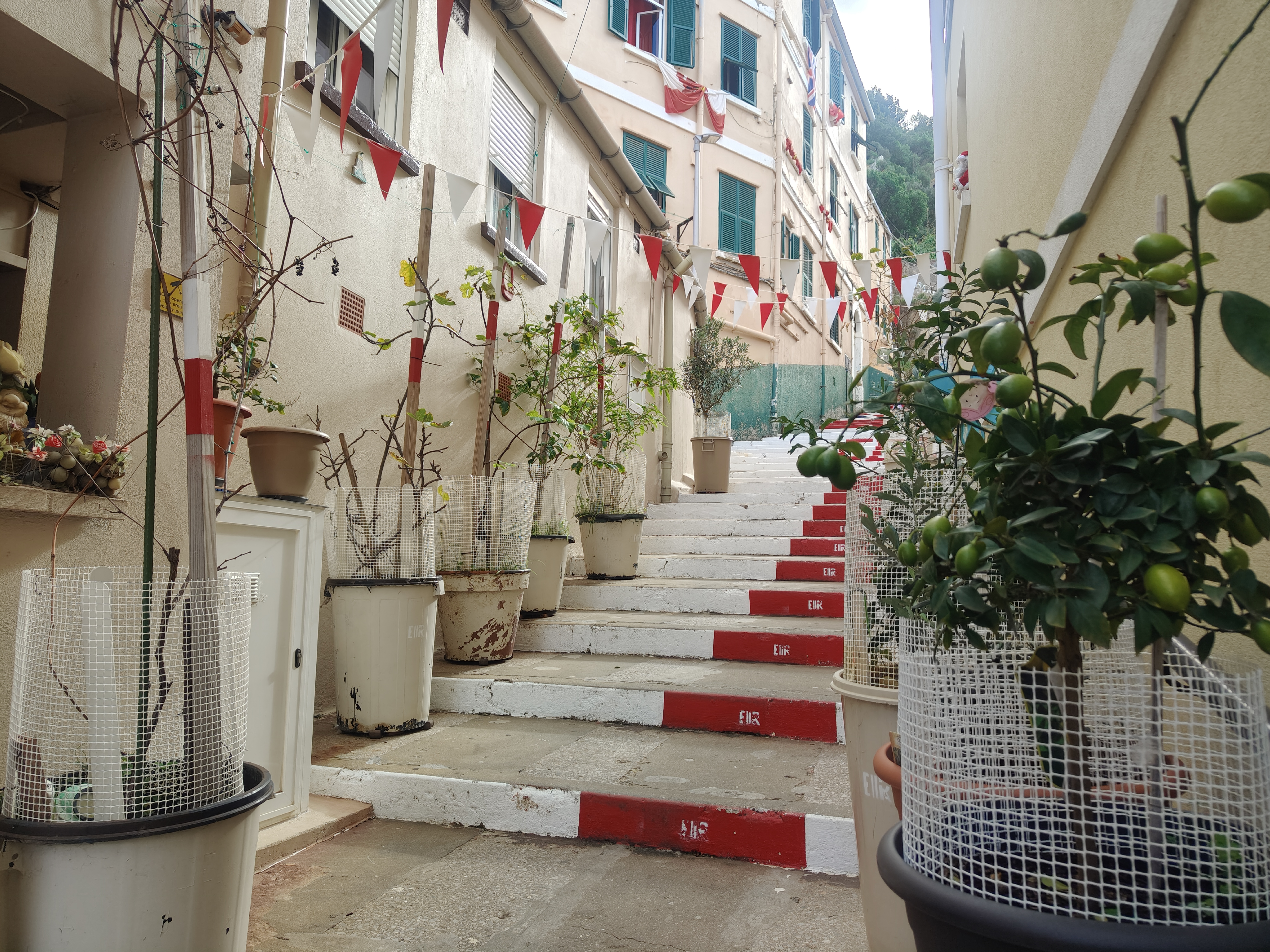
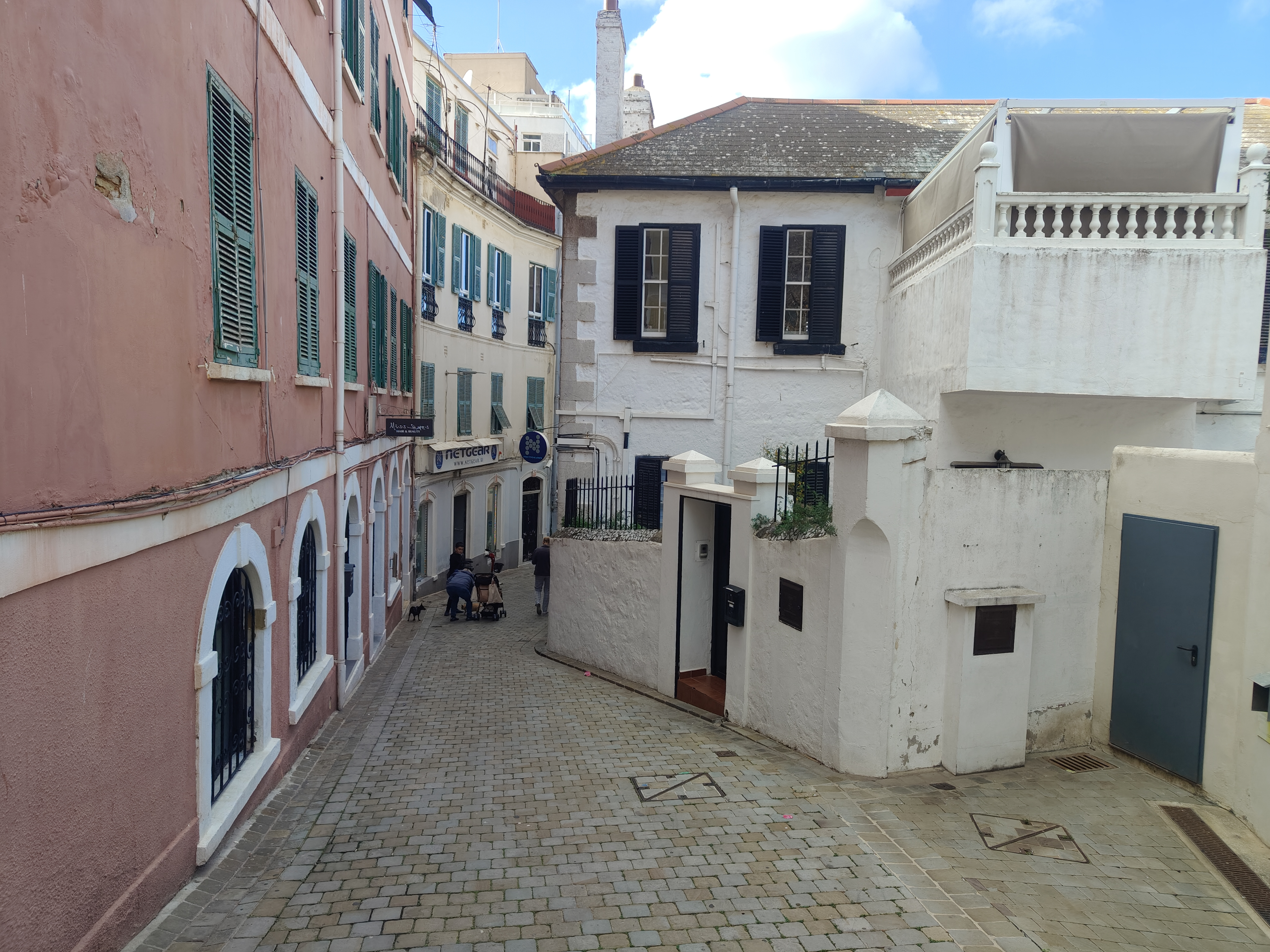
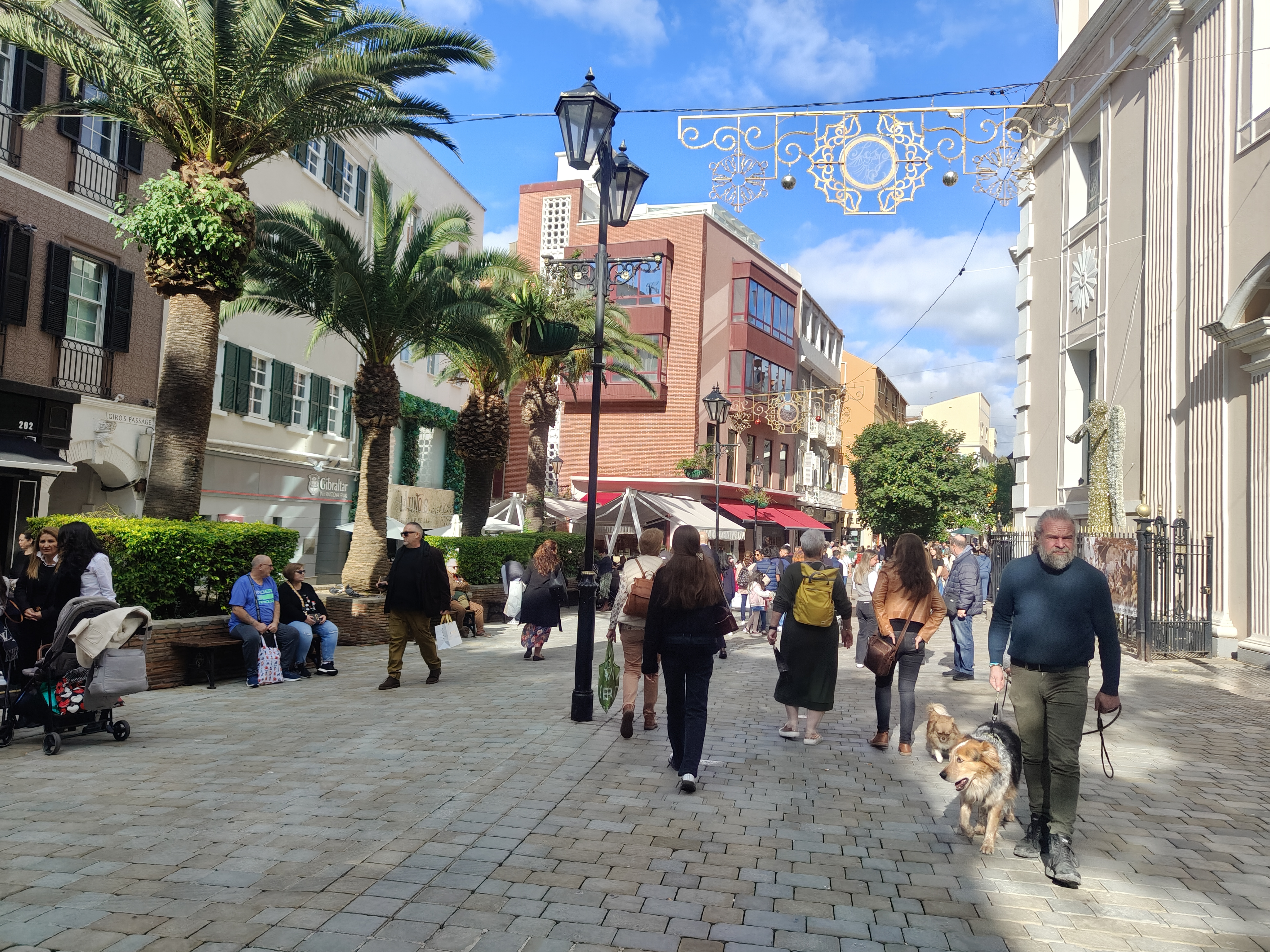

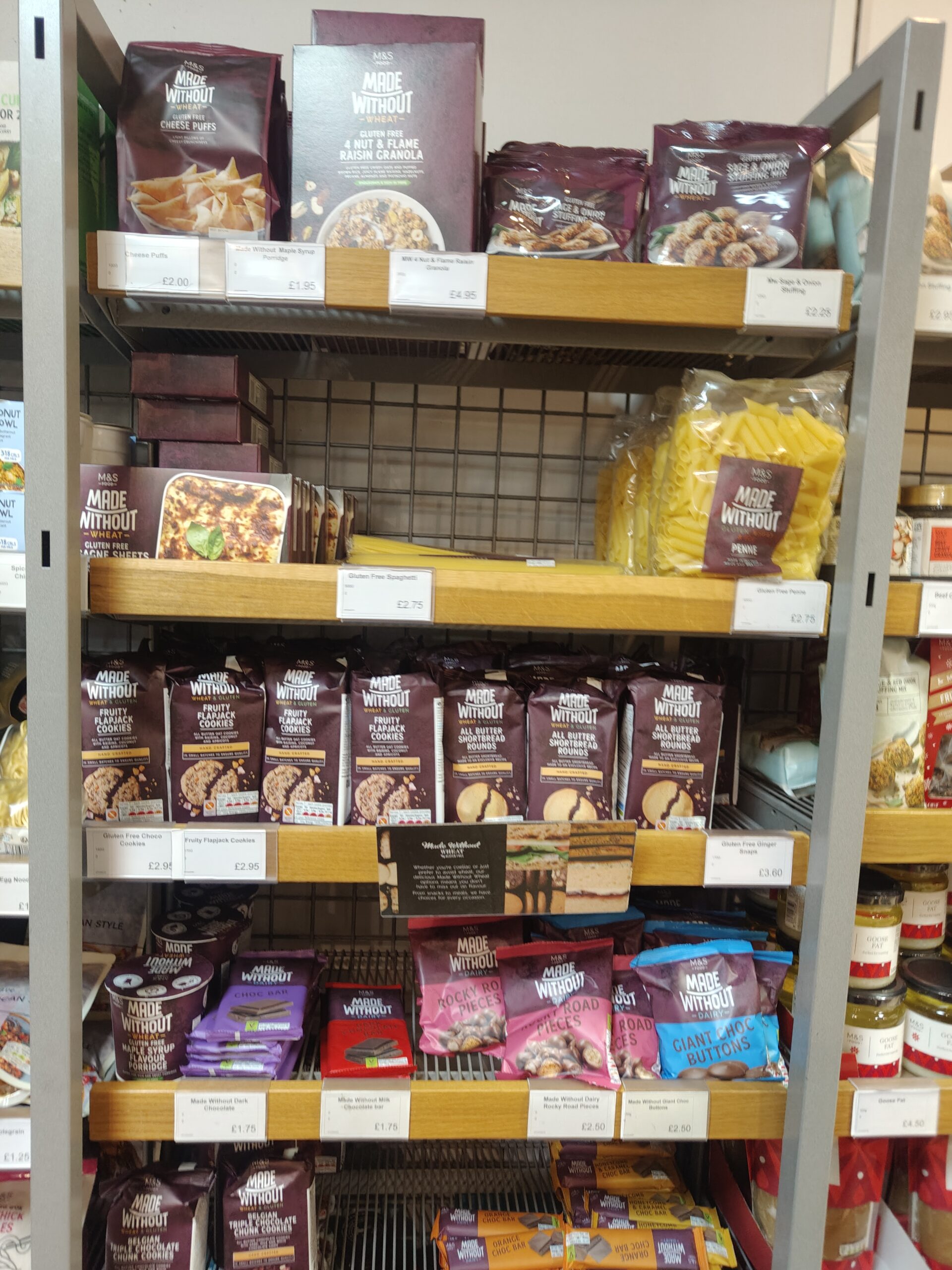
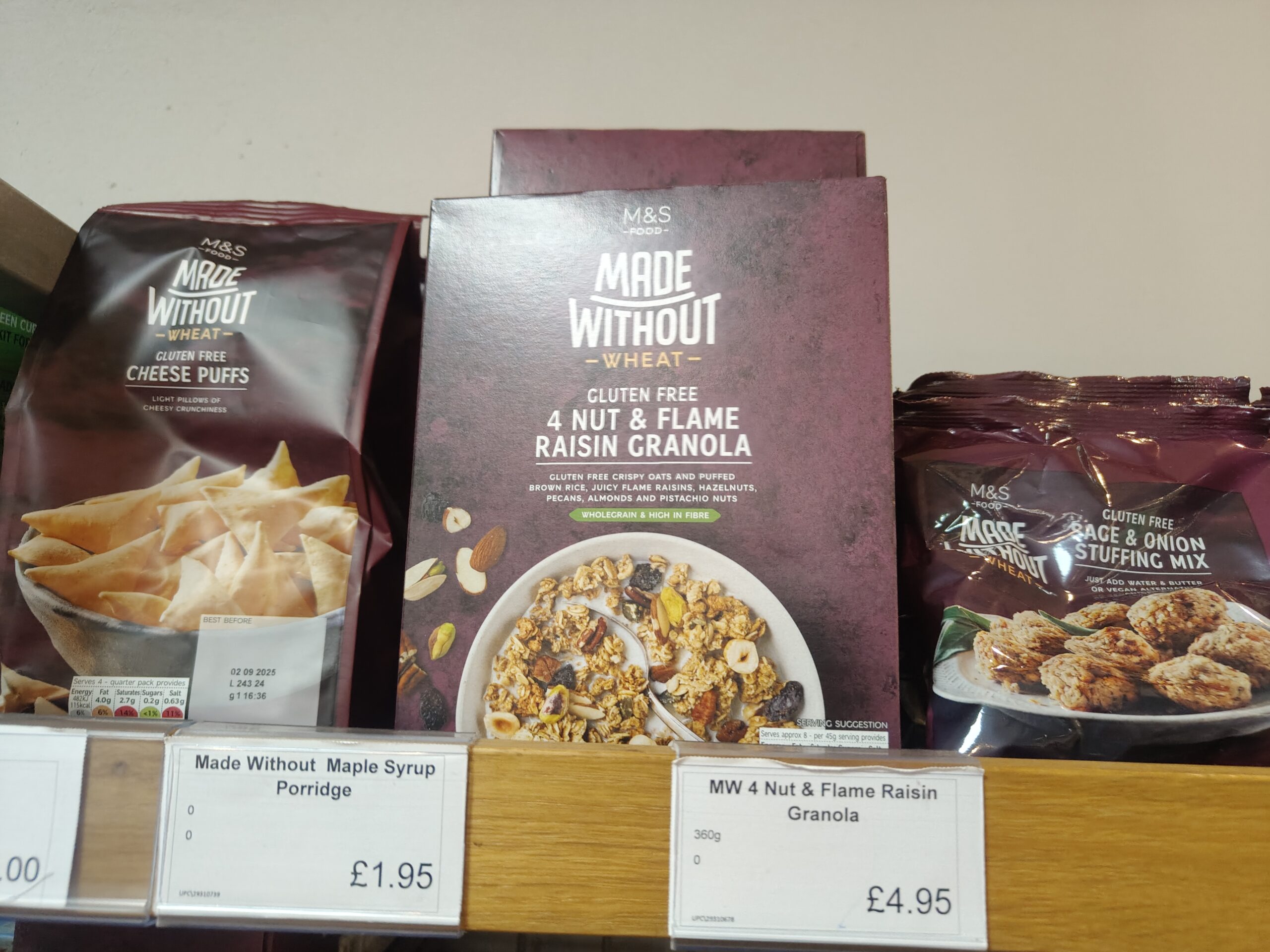
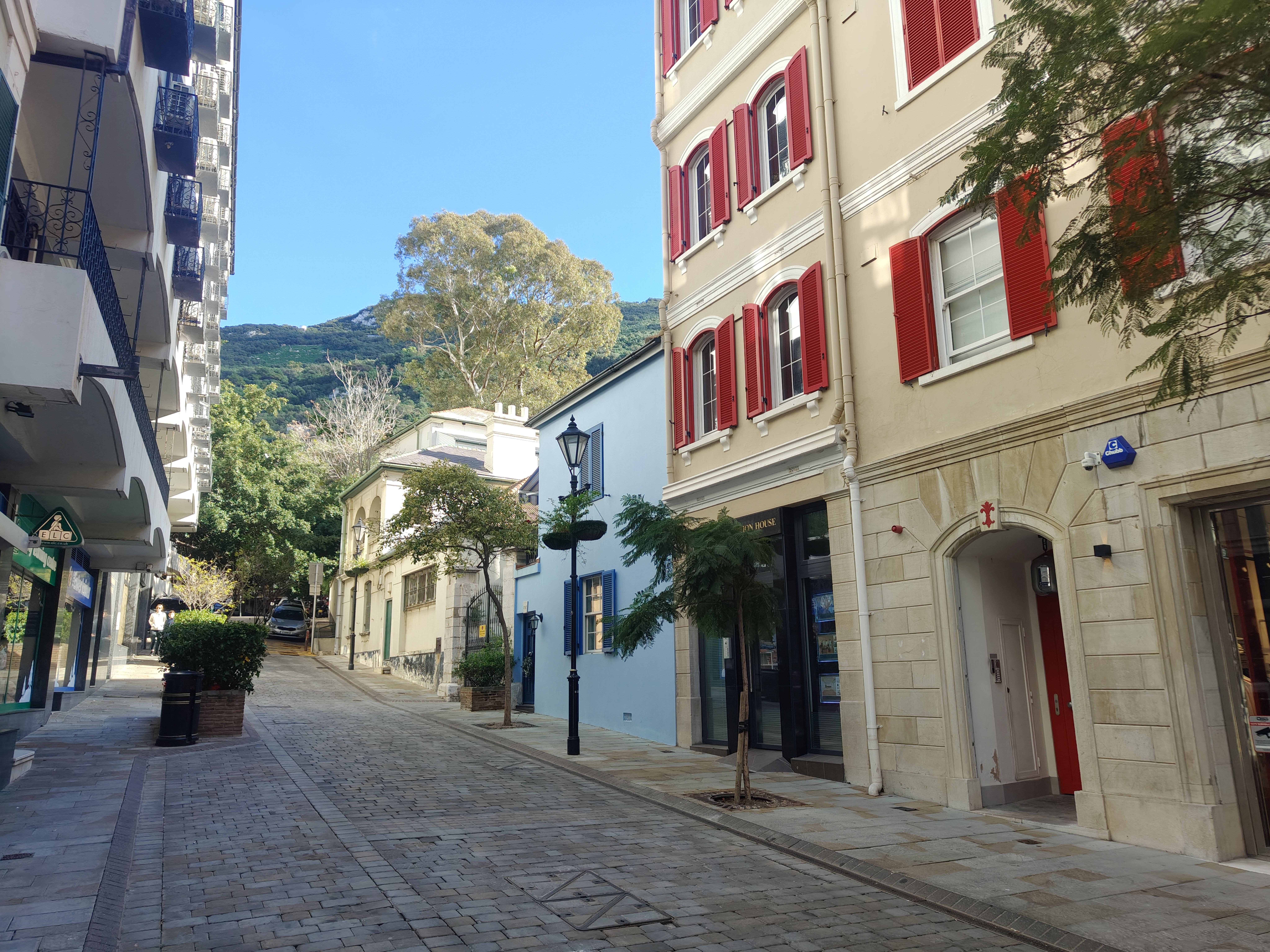
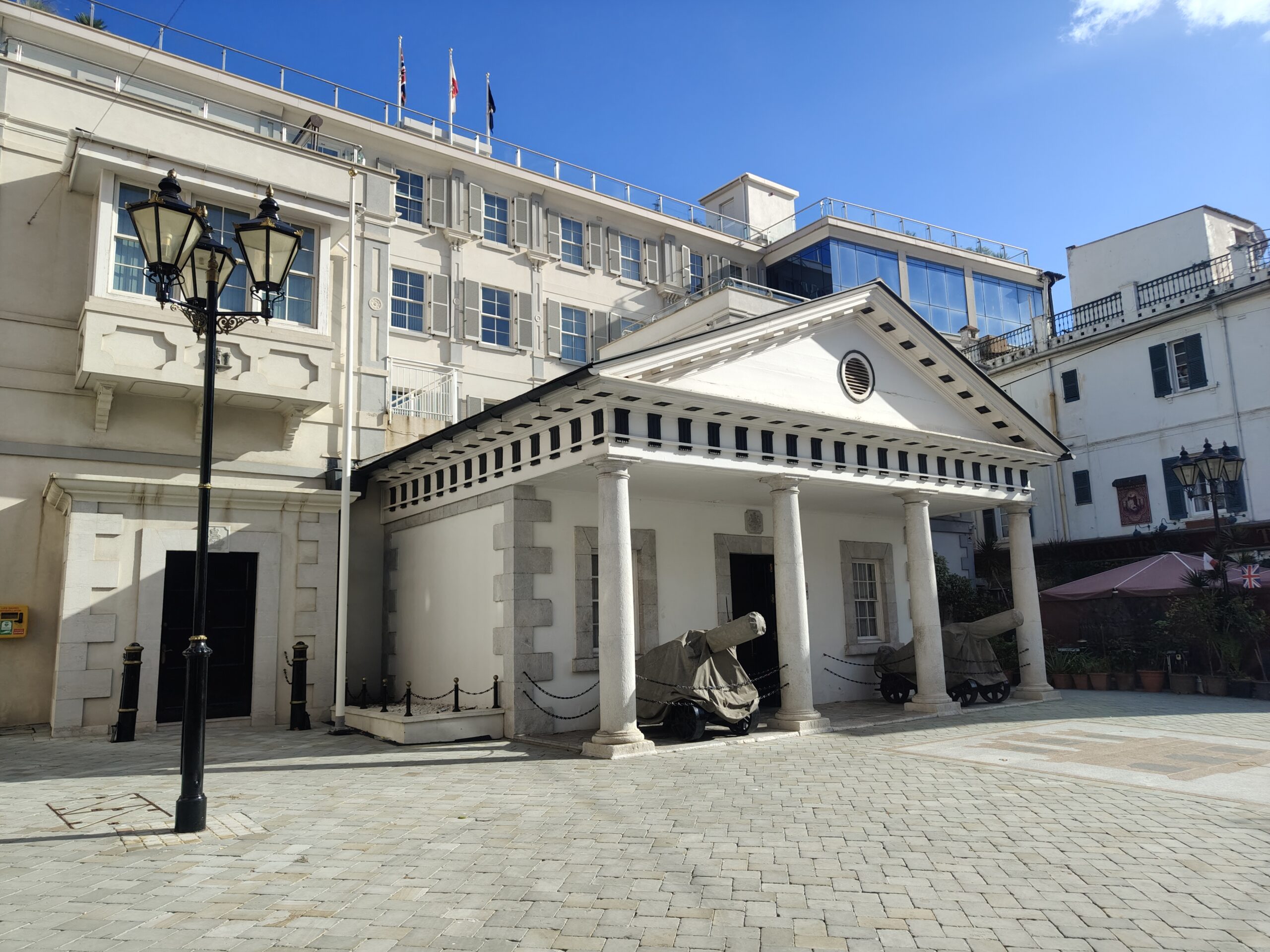
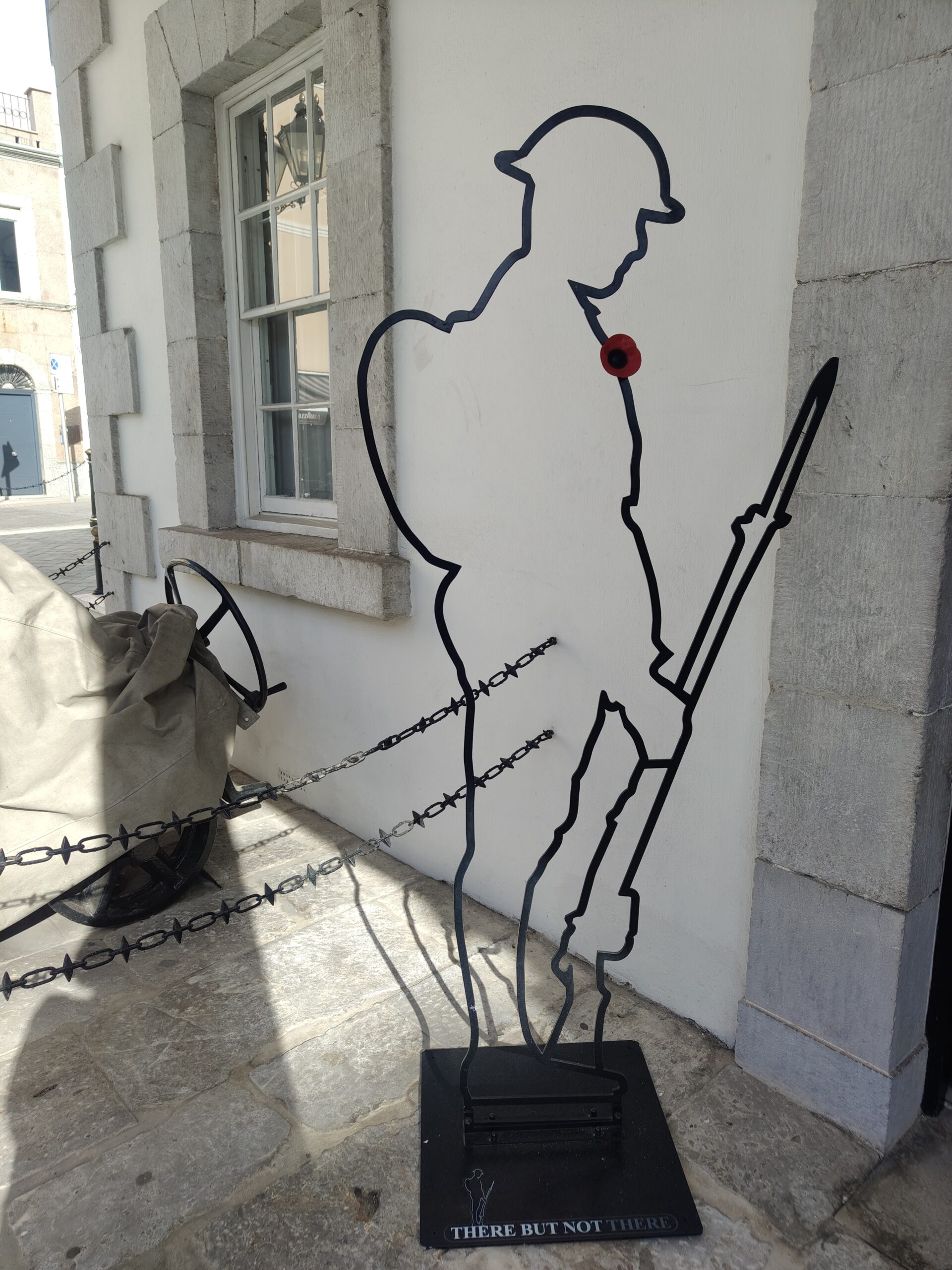
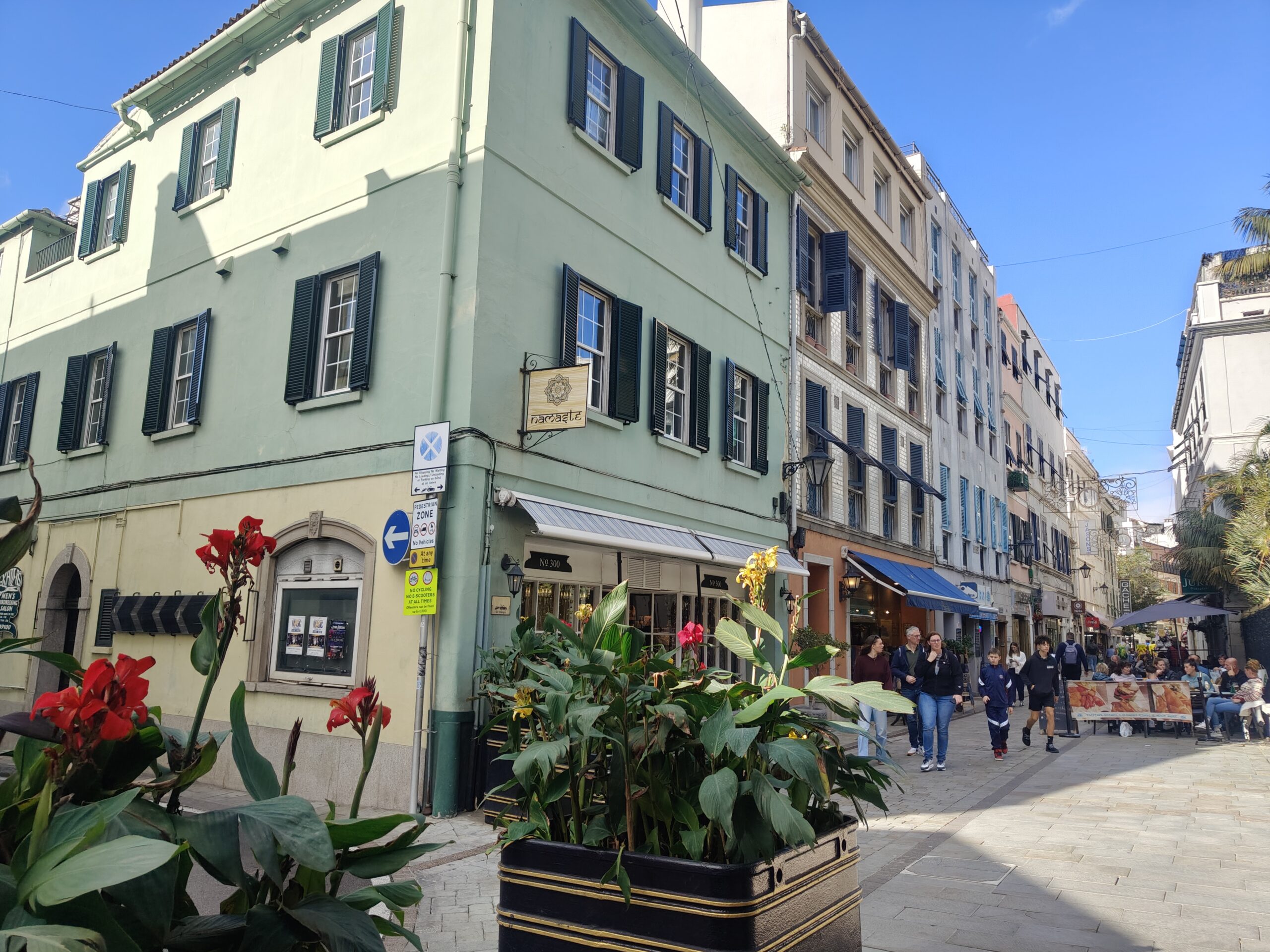
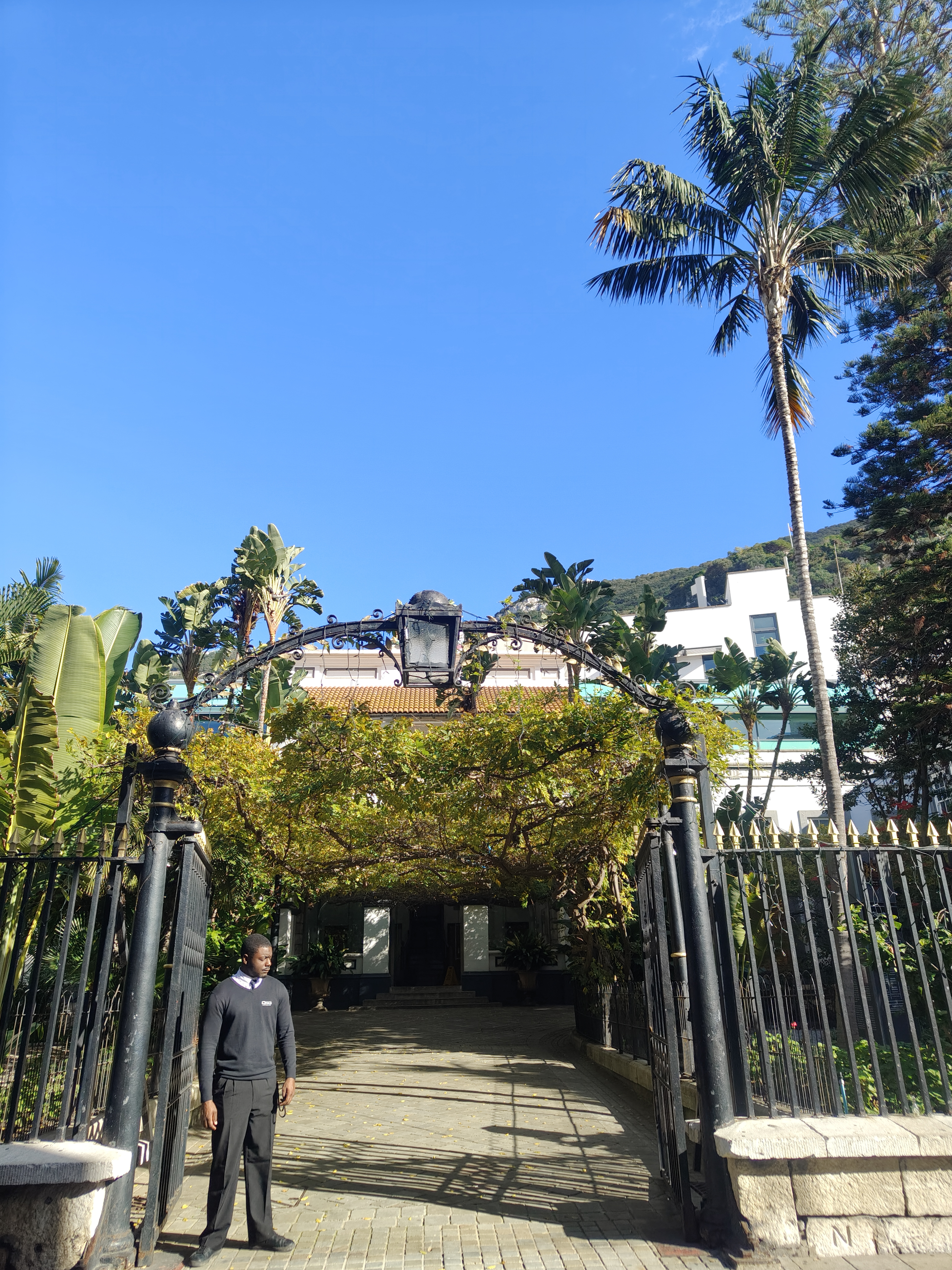
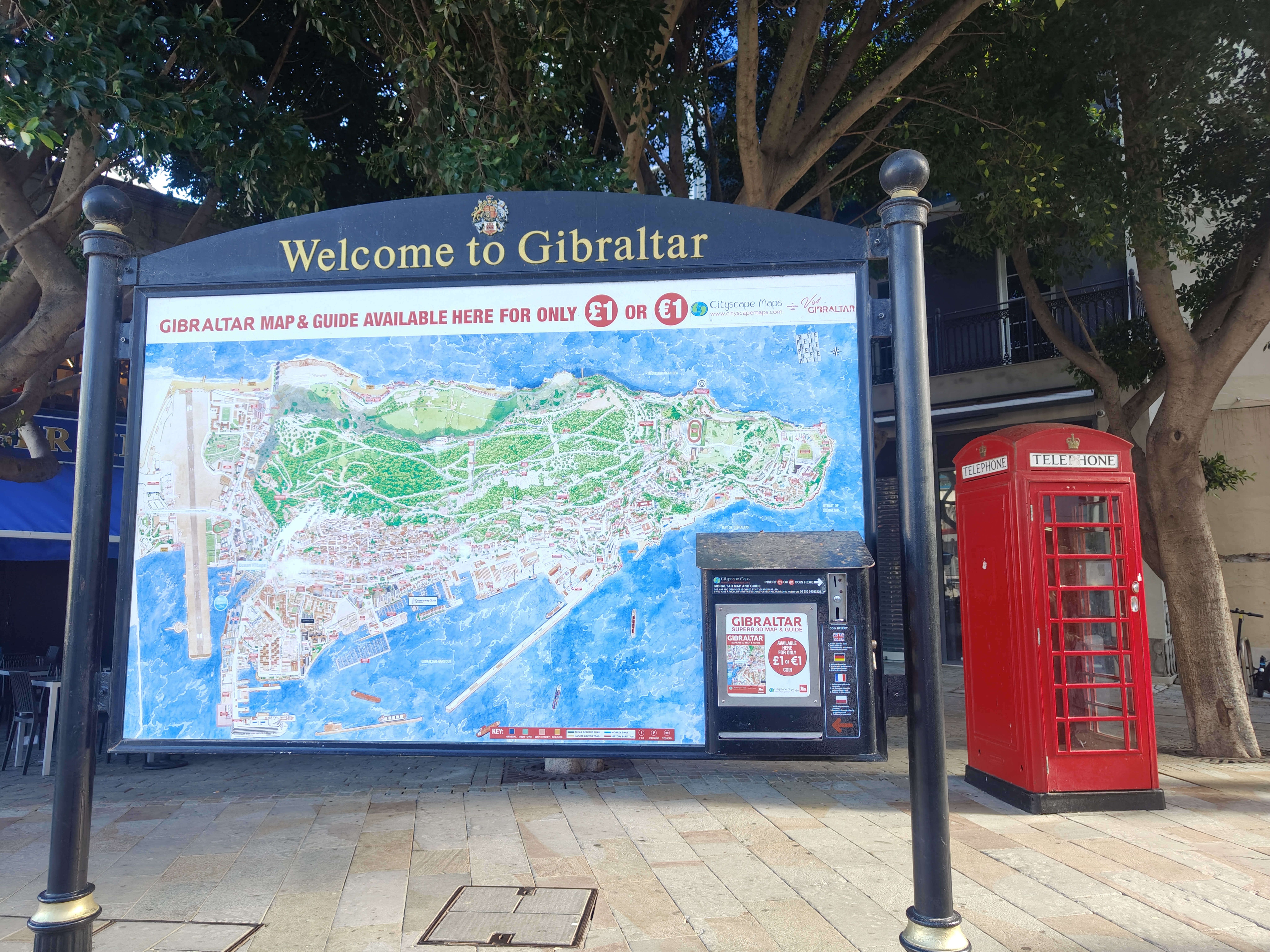
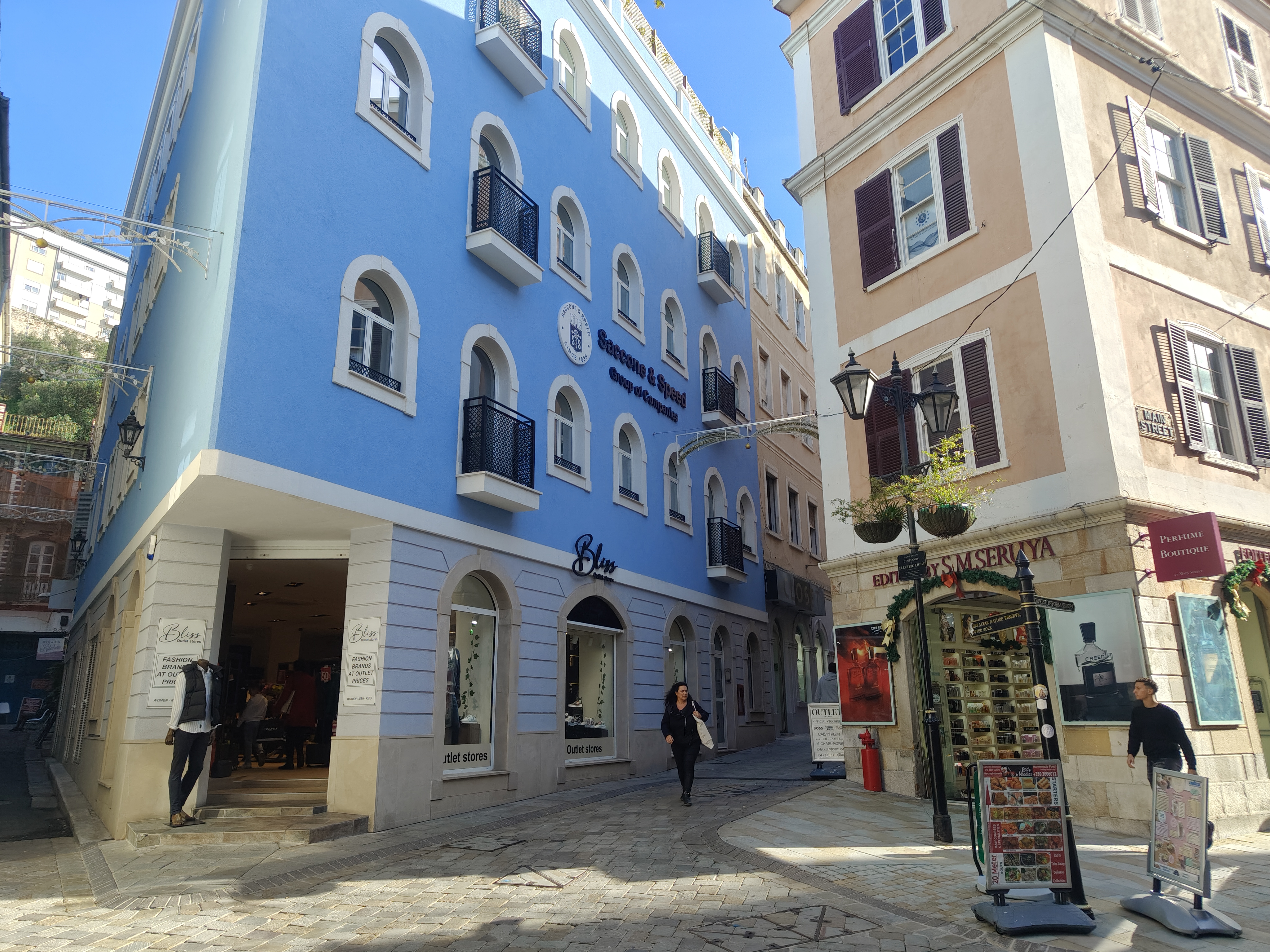

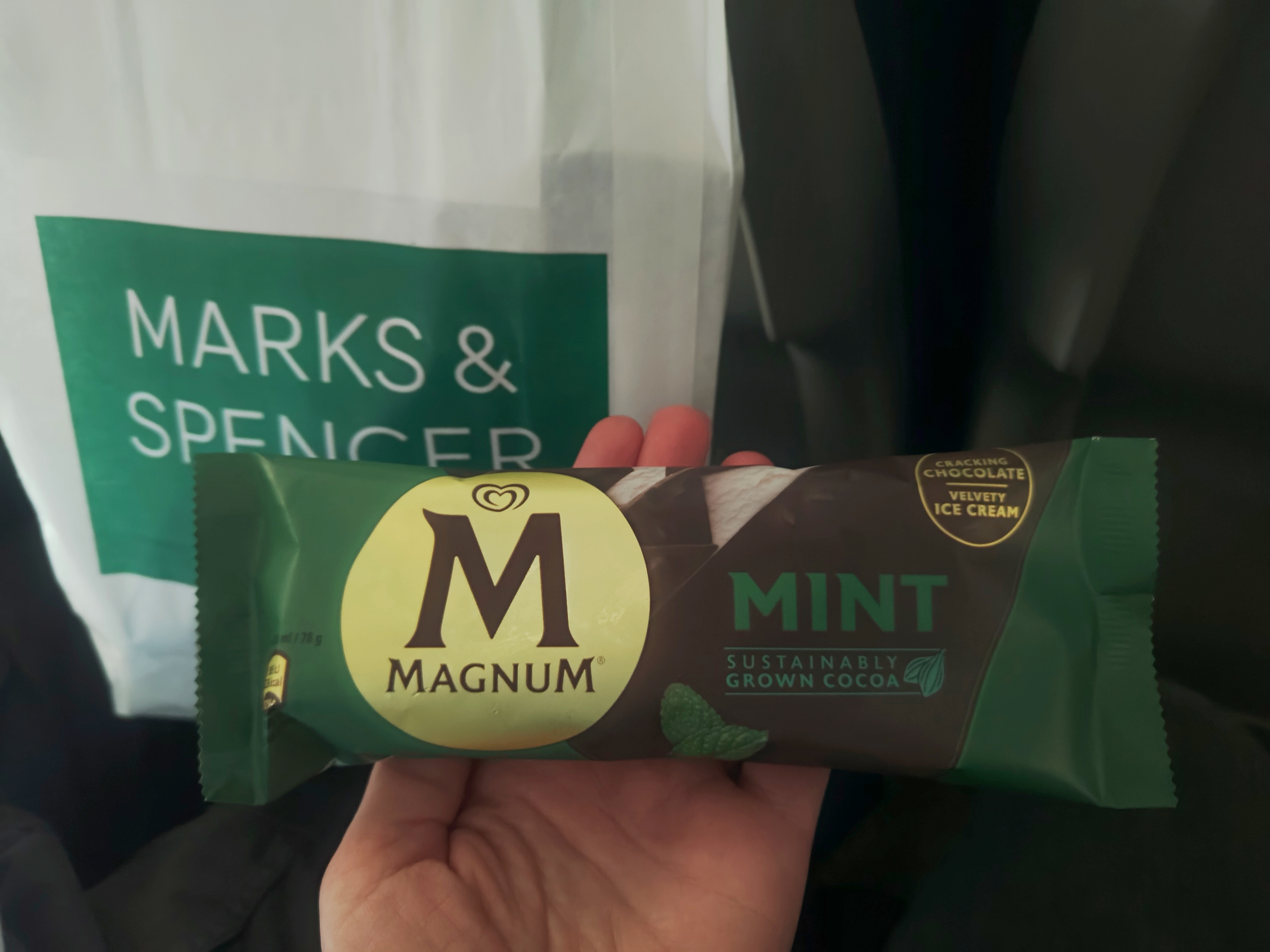
Walking through Gibraltar really felt like strolling through a seaside town in England – red phone booths, traditional British pubs, double-decker buses, and shops full of familiar UK products. We even stopped by Marks & Spencer for some gluten-free snacks!
Skywalk & Windsor Bridge – Next Time!
Unfortunately, due to time constraints and the closed cable car, we didn’t make it on foot to two of Gibraltar’s popular attractions – the Skywalk and Windsor Suspension Bridge. A little disappointing, but it just means we have the perfect excuse to come back.
Gluten-Free Finds in Gibraltar
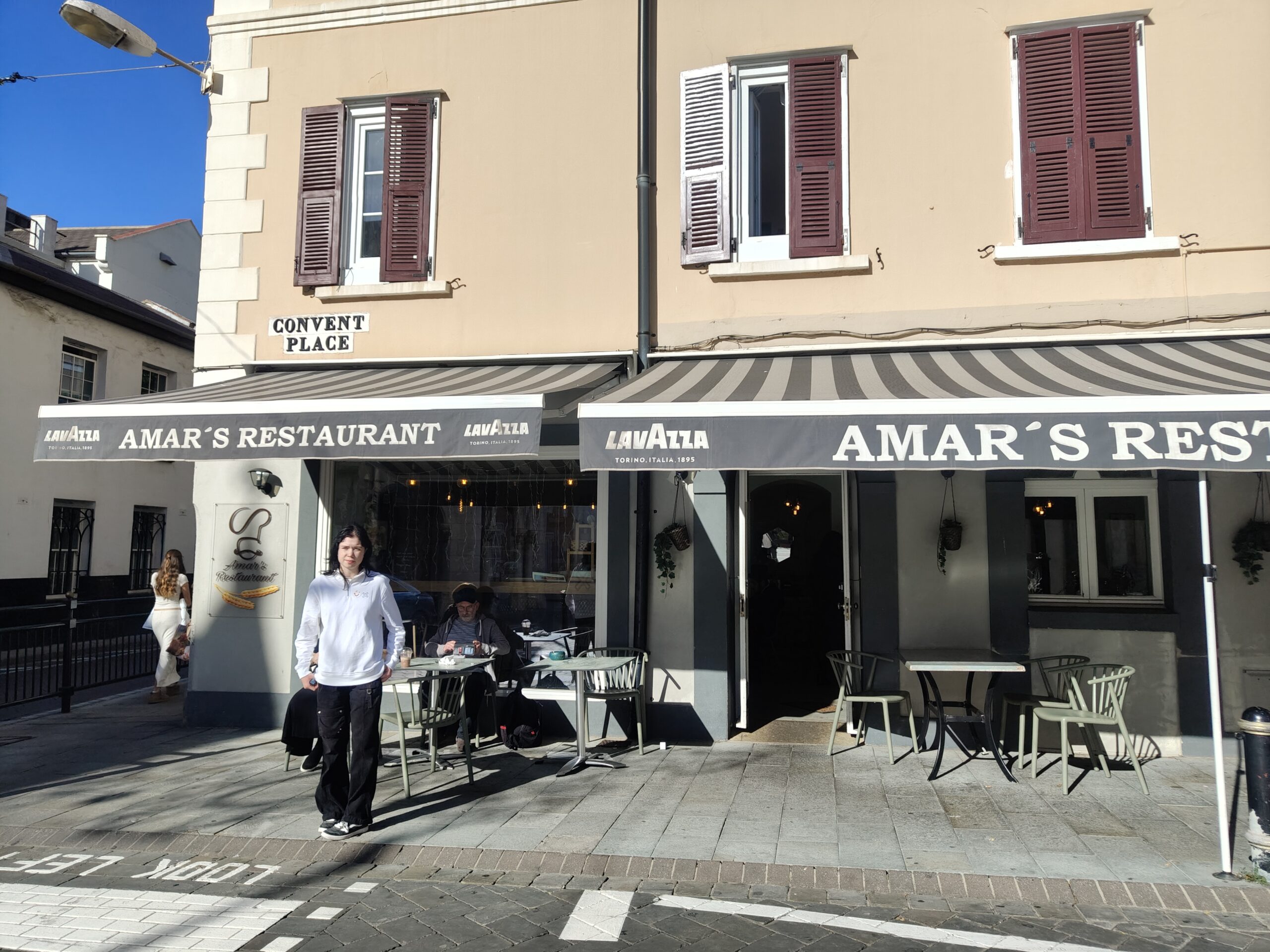
To my delight, Gibraltar also offers some gluten-free spots! We came across a few places with gluten-free options, although we didn’t have time to sit down for a proper meal. In one café, we tried to grab something to go – maybe a gluten-free roll or pastry – but everything was already sold out, and only hot dishes were available to eat on site. That alone shows there’s a solid demand for gluten-free food on the Rock – which is great to see!
We managed to grab a quick bite of the most delicious mint-flavored gluten-free Magnum ice cream – we had never tried it before!
A Few Practical Tips
Gibraltar has been a British Overseas Territory since the 18th century. It has its own government, parliament, and currency – the Gibraltar Pound (GIP), which is pegged to the British Pound. You can pay with GBP in most places, and many also accept euros.
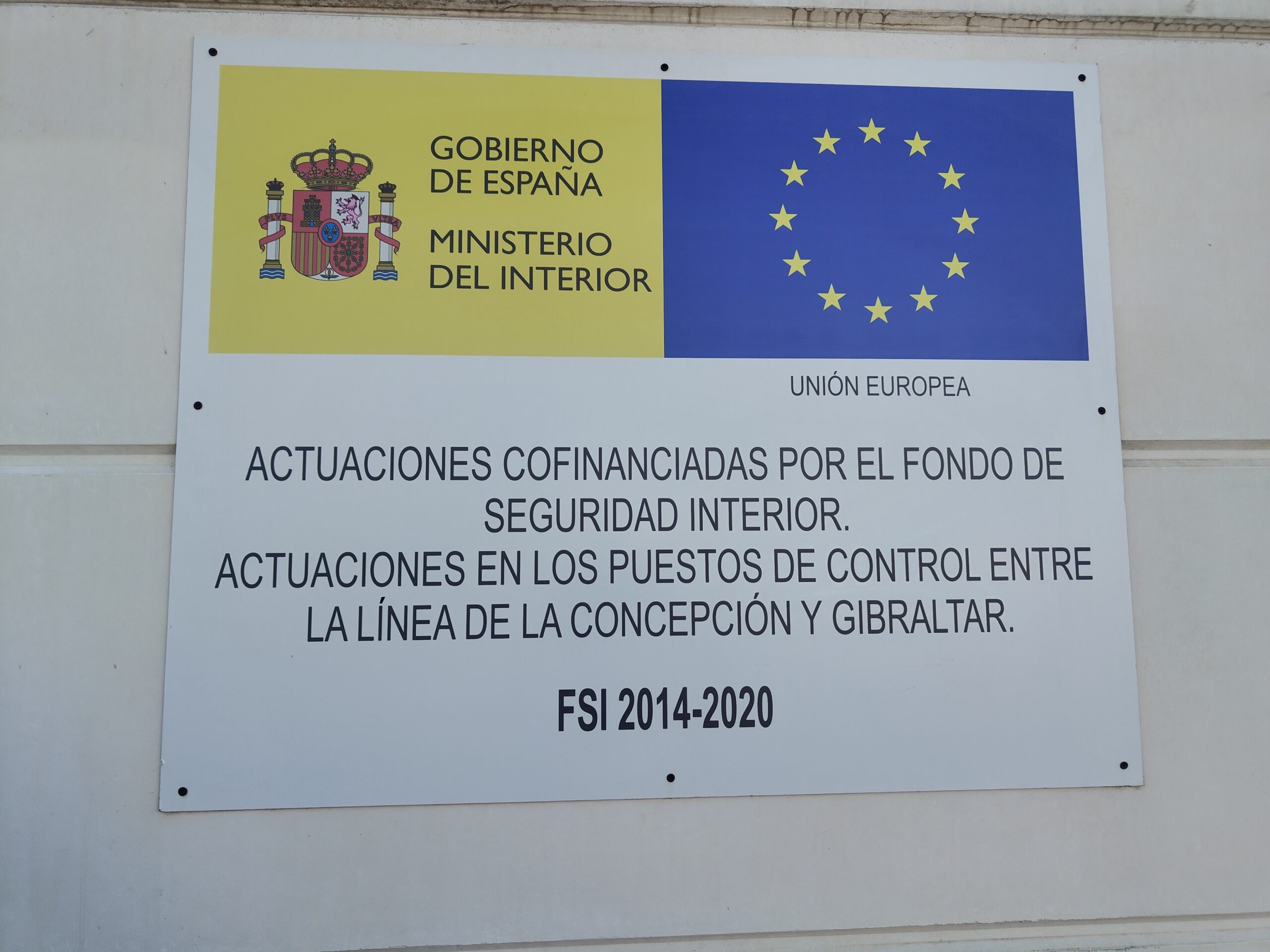
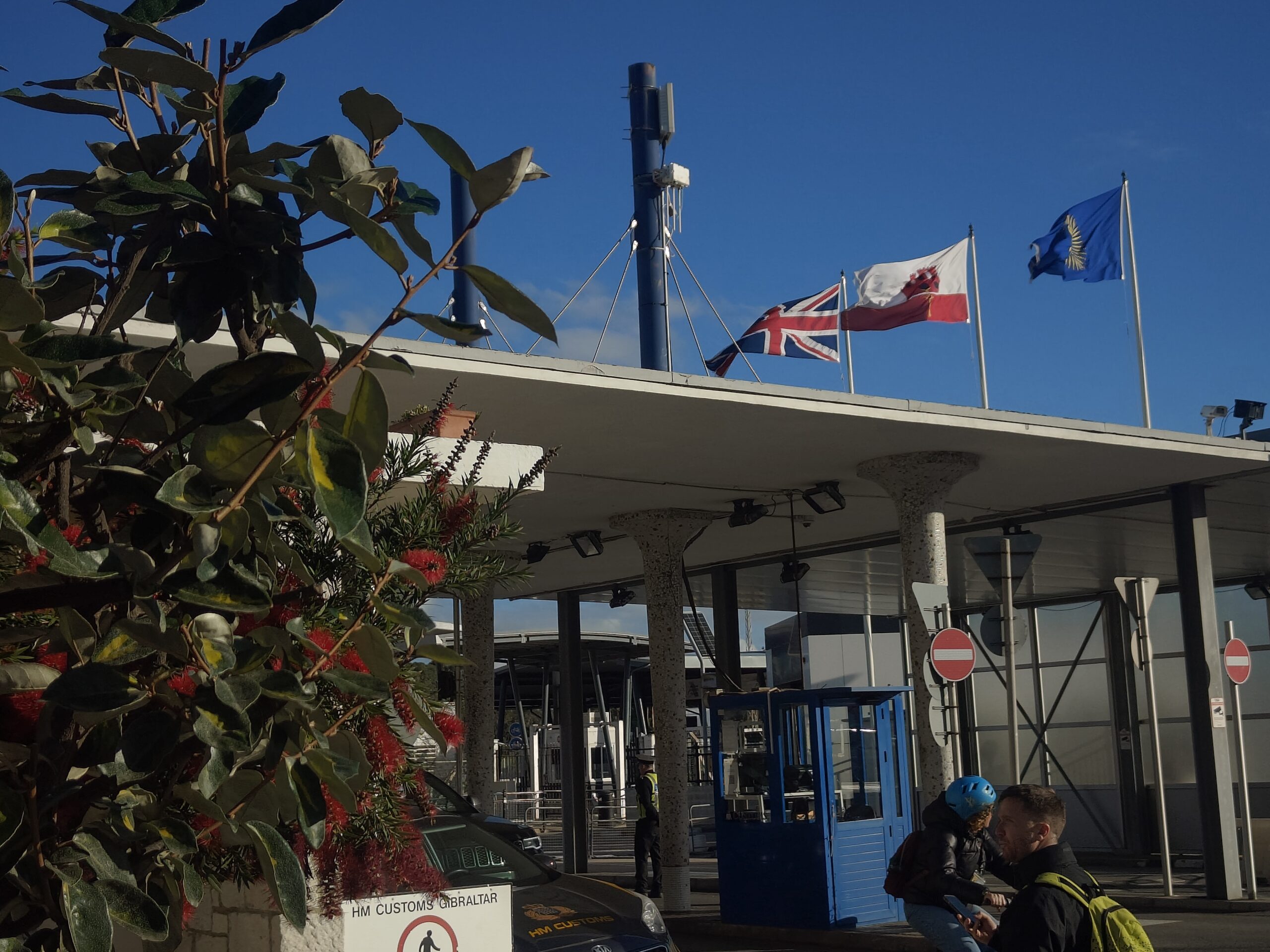
The border with the Spanish town of La Línea de la Concepción is open 24/7 and can be crossed on foot or by car. Polish citizens can enter Gibraltar with either a passport or a national ID card.
Gibraltar is a unique place where British vibes meet southern sunshine, and wild nature blends with rich history and culture. If you’re ever nearby – definitely put it on your travel list. It’s a place full of surprises, and one that’s totally worth exploring!